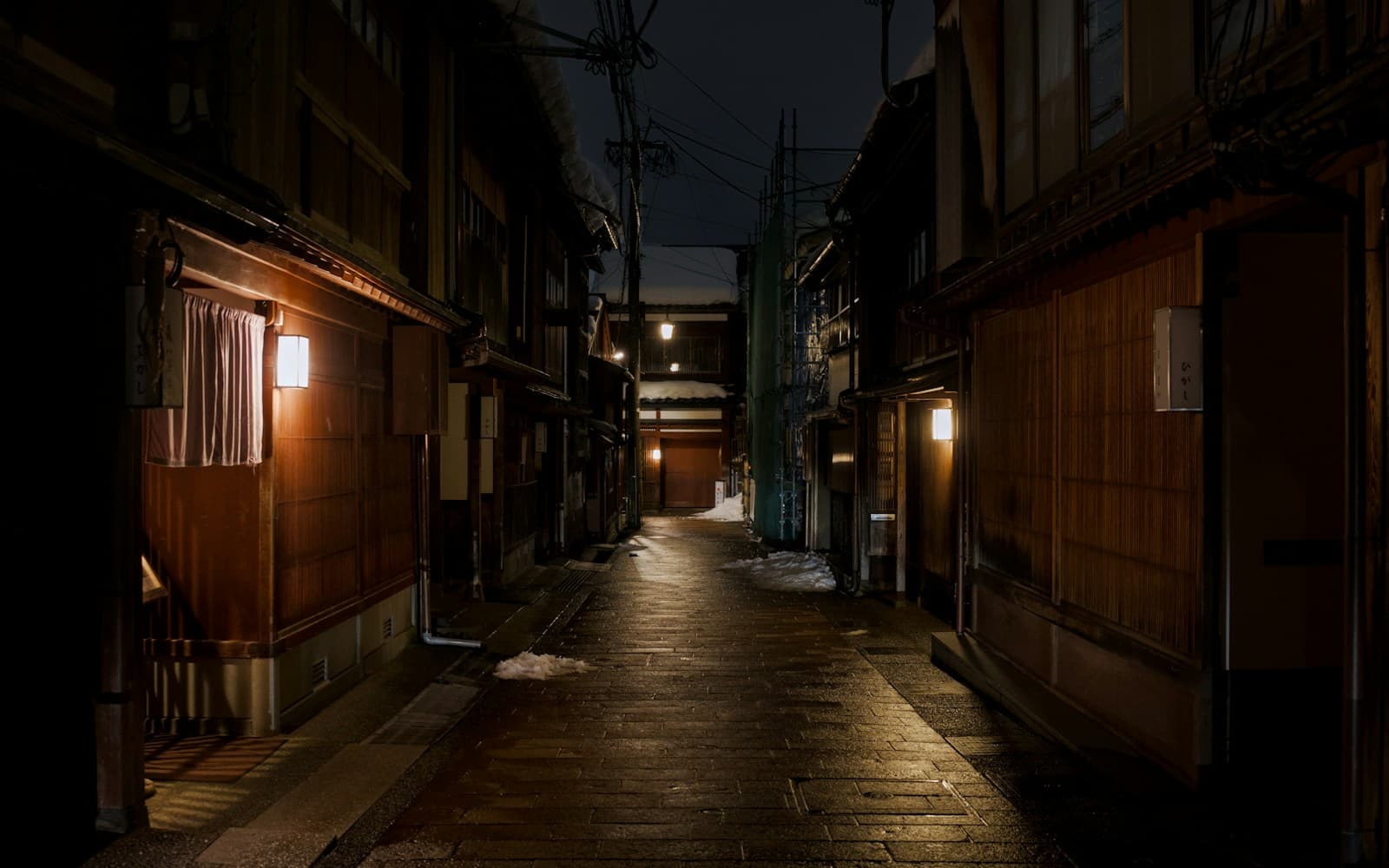
Where to Stay in Kanazawa: Choosing the Area That Fits Your Trip
What kind of Kanazawa experience do you want to wake up to — and which area matches the rhythm you want at the hotel door?
- Category
- Travel
- Central Question
- What kind of Kanazawa experience do you want to wake up to — and which area matches the rhythm you want at the hotel door?
Which Kanazawa feels like your trip?
Choose the atmosphere that feels right to you before reading further.
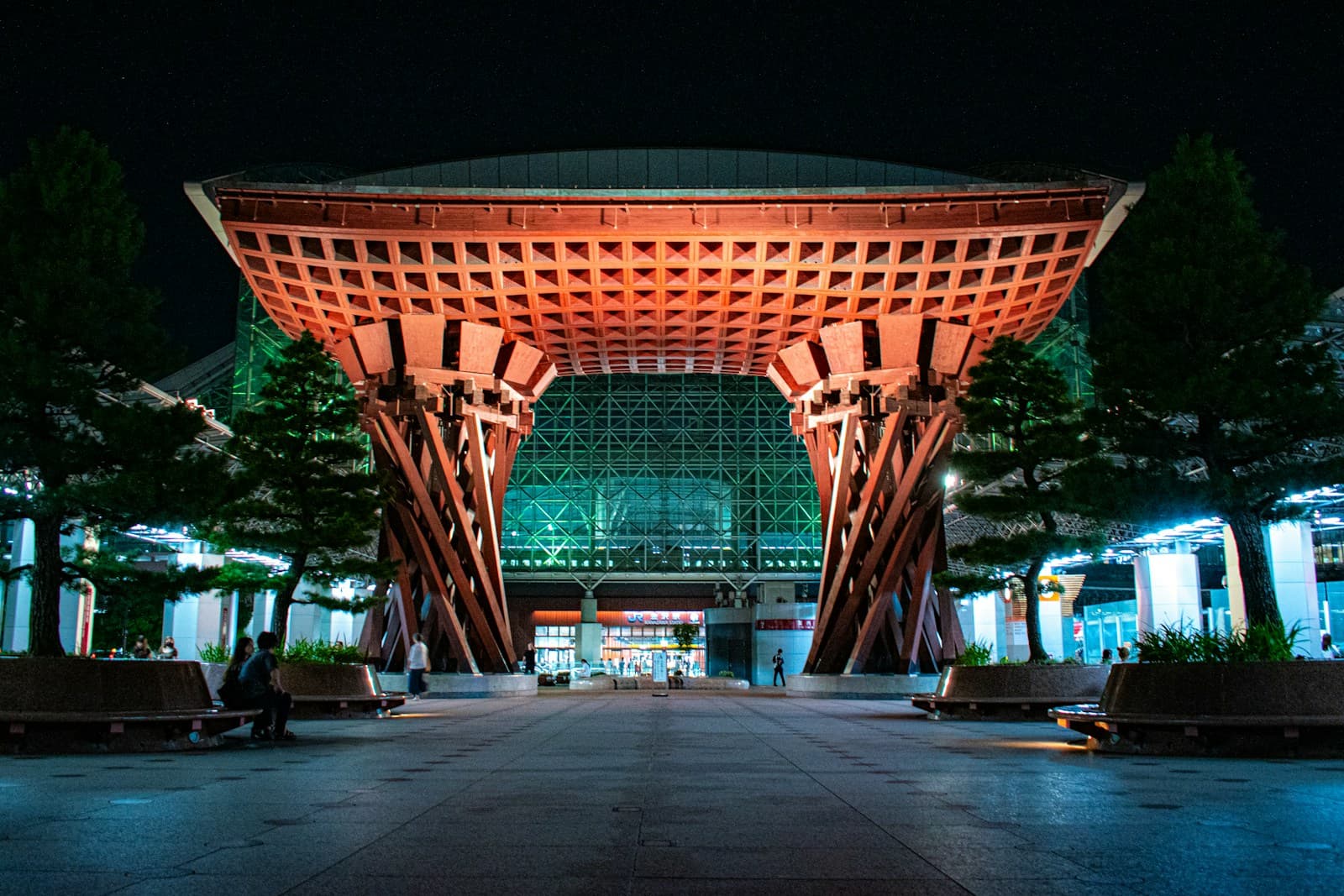
Kanazawa Station
Hokuriku gateway energy — Tsuzumi-mon gate, Shinkansen concourse, and loop-bus departures for castle-district days.
- Shinkansen hub
- Loop bus
- Arrival day
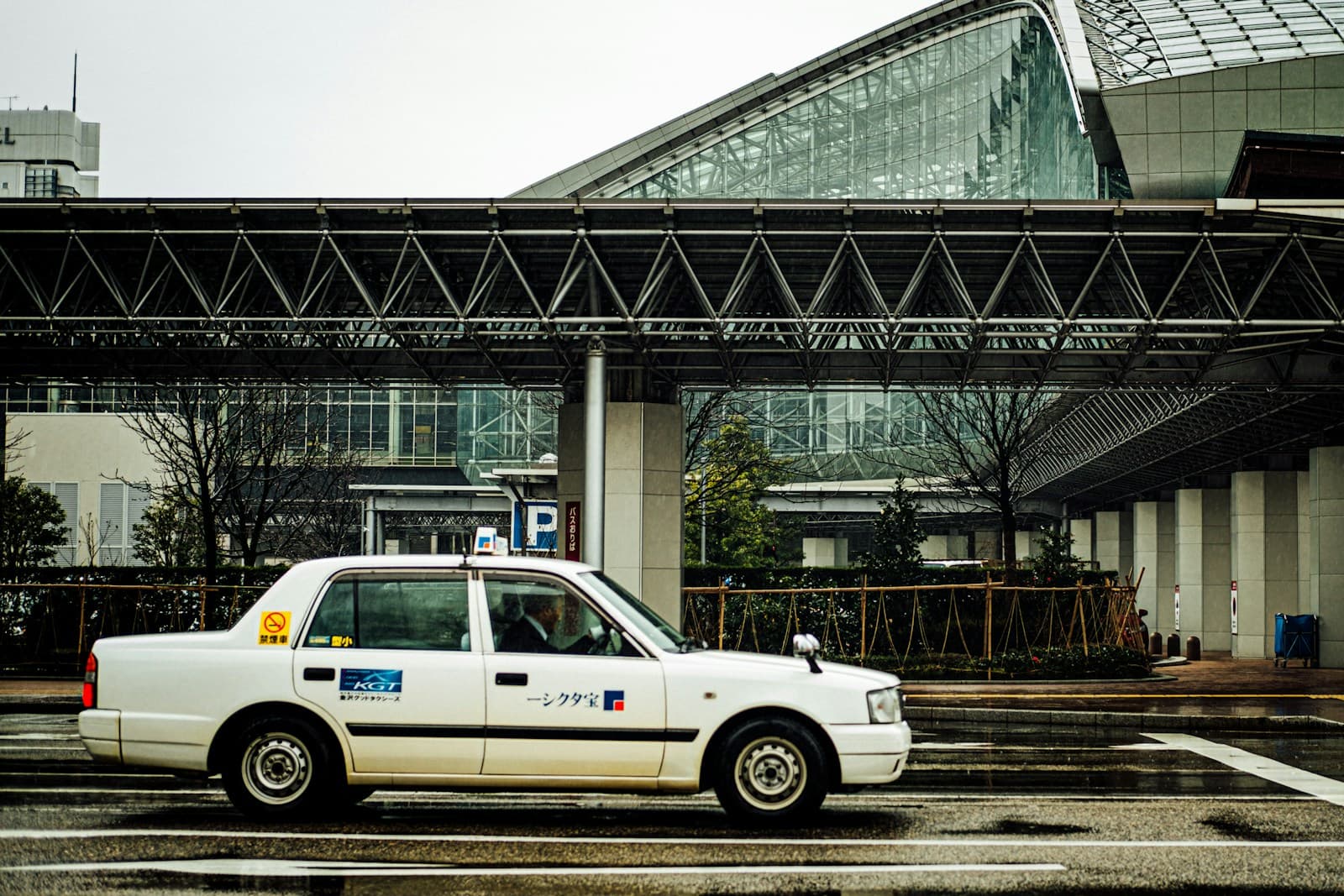
Korinbo / Katamachi
Downtown practical rhythm — covered arcades, department stores, and evening izakaya lanes after sightseeing.
- Covered arcades
- Evening dining
- City center
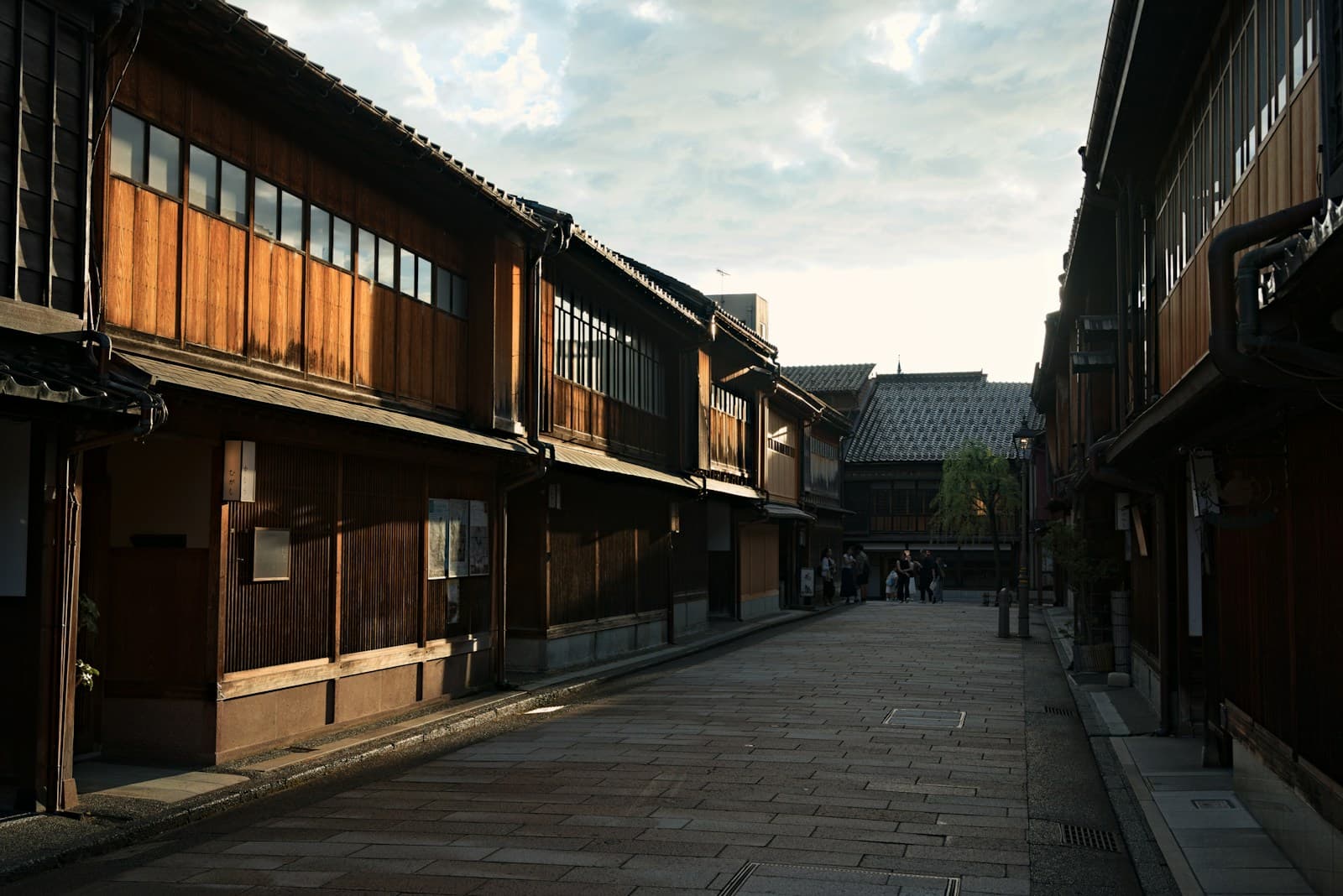
Higashi Chaya
Teahouse-lane heritage — wooden lattice facades, stone paths, and lantern evenings in the chaya quarter.
- Teahouse lanes
- Traditional facades
- Slow evenings
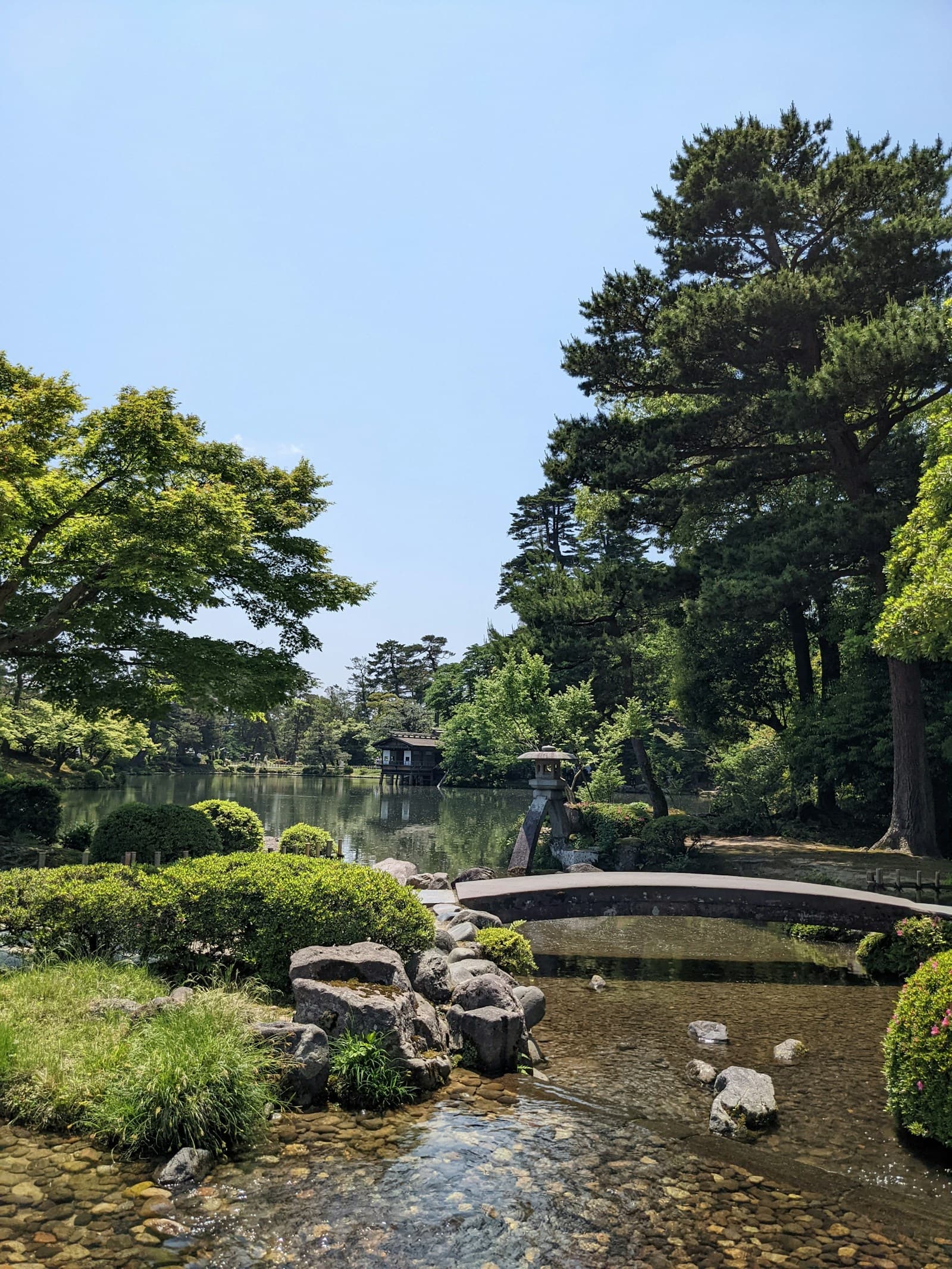
Kenrokuen
Garden-and-castle calm — pond loops, castle park edges, and early-morning Kenrokuen before tour groups arrive.
- Garden dawn
- Castle park
- Museum radius
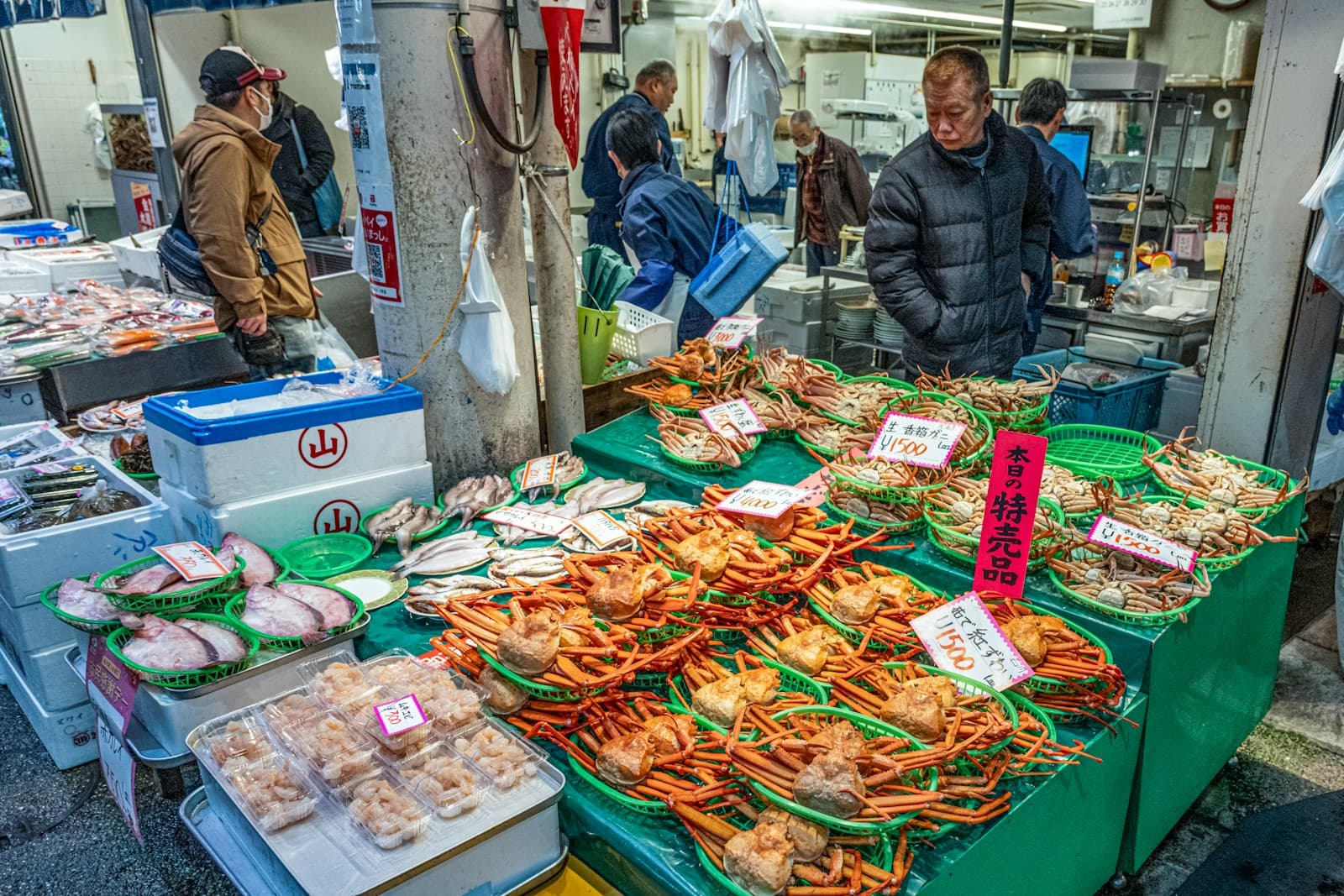
Omicho Market
Market-kitchen mornings — seafood counters, produce stalls, and breakfast rhythm before the city shifts to sightseeing.
- Seafood market
- Breakfast hour
- Kitchen district
Kanazawa Station
Hokuriku gateway energy — Tsuzumi-mon gate, Shinkansen concourse, and loop-bus departures for castle-district days.
- Shinkansen hub
- Loop bus
- Arrival day
Korinbo / Katamachi
Downtown practical rhythm — covered arcades, department stores, and evening izakaya lanes after sightseeing.
- Covered arcades
- Evening dining
- City center
Higashi Chaya
Teahouse-lane heritage — wooden lattice facades, stone paths, and lantern evenings in the chaya quarter.
- Teahouse lanes
- Traditional facades
- Slow evenings
Kenrokuen
Garden-and-castle calm — pond loops, castle park edges, and early-morning Kenrokuen before tour groups arrive.
- Garden dawn
- Castle park
- Museum radius
Omicho Market
Market-kitchen mornings — seafood counters, produce stalls, and breakfast rhythm before the city shifts to sightseeing.
- Seafood market
- Breakfast hour
- Kitchen district
Image credits
- Kanazawa Station — Unsplash (w8hlPbMU0fc) by 一颯 山地 (@issa000) — Unsplash License
- Korinbo / Katamachi — Unsplash (QkiaRQhVOYc) by timberfoster (@timberfoster) — Unsplash License
- Higashi Chaya — Unsplash (TMnTH7ptw9Q) by waa towaw (@toowaaw) — Unsplash License
- Kenrokuen — Unsplash (cW2MRCERFRk) by Ikko Nishimura (@ikko_nikko_sanko) — Unsplash License
- Omicho Market — Unsplash (wq1WKhJBvqA) by Sue Winston (@winniepix) — Unsplash License
You open a map and drop three hotel pins. All are in Kanazawa. All look plausible. One sits above the Tsuzumi-mon gate at Kanazawa Station where Hokuriku Shinkansen arrivals and loop-bus departures share the same morning concourse. One rests on a Korinbo side street where covered arcades and department-store food halls define an ordinary city lunch hour. One anchors a Higashi Chaya lane where wooden teahouse facades glow after sightseeing crowds thin and the district reads as overnight heritage rather than a day-trip stop.
The question is not which pin wins a ranking. It is which daily pattern fits the trip you are actually building — the garden you want before breakfast, the evening street you want after Kenrokuen, whether Kanazawa is a Tokyo side trip or a Hokuriku chain node, and whether soft distances between the station and the castle district should fool you into treating them as interchangeable at night.
Kanazawa's first fork is not east versus west sprawl. It is experience type — Shinkansen gateway, downtown shopping spine, teahouse-and-lantern evenings, garden-and-castle mornings, or market-and-kitchen daytime rhythm — knowing the compact core sits within a short bus ride or a walkable but not effortless radius. The same decision logic as Where to Stay in Kyoto, Where to Stay in Hiroshima, Where to Stay in Hakone, and Where to Stay in Fukuoka, applied to a castle-town city where atmosphere beats mileage and buses matter more than booking maps suggest.
The Short Answer
There is no single best area for every Kanazawa trip. Separate accommodation type — business hotel dominant in the city core, occasional machiya-style guesthouses in heritage lanes — from neighborhood within the compact municipality. Most first-timers sleep in one of five overlapping pockets; soft map distances do not make them interchangeable after dark or before market hours.
Start with the experience-type fork: Do you want Shinkansen-and-loop-bus hub efficiency at Kanazawa Station, downtown shopping-and-meals rhythm at Korinbo / Katamachi, teahouse-and-lantern evenings at Higashi Chaya, garden-and-castle mornings at Kenrokuen, or market-and-kitchen daytime energy at Omicho? Then ask whether Kanazawa is a Hokuriku rail node — Tokyo or Kyoto bookends, Takayama or Shirakawa-go extensions — or a self-contained two-night stay where evening culture matters more than concourse proximity.
Accommodation type is a separate decision. Ryokan vs Hotel in Japan covers the rhythm of the stay itself — hosted evening versus flexible checkout. Kanazawa city is hotel-heavy; ryokan nights belong more often in onsen side trips than in the urban teahouse core. This article covers where that stay should sit geographically.
Specific hotel recommendations belong elsewhere. The decision here is area — and whether Higashi Chaya atmosphere or Katamachi evening practicality matches the nights you are actually building — not which property ranks highest on a booking site.
What Kind of Kanazawa Experience Do You Want to Wake Up To?
Before filtering hotels, answer four sub-questions that map to Kanazawa's overlapping centers — not a single winner, but a clearer daily rhythm.
Gateway or heritage core? Kanazawa Station concentrates Hokuriku Shinkansen, loop-bus departures, and luggage-forwarding infrastructure. Kenrokuen and Higashi Chaya sit roughly two kilometers east — walkable for some travelers, bus-dependent for others with luggage or mobility limits. Neither is wrong; they trade concourse mornings for garden-or-teahouse wake-ups.
Traditional atmosphere or practical evenings? Higashi Chaya puts wooden teahouse lanes at the hotel door — lantern evenings, earlier quiet after shop hours. Korinbo / Katamachi offers covered arcades, izakaya density, and department-store meals without committing to heritage-district hush. Atmosphere-first trips often sleep in Higashi Chaya; dinner-first trips often lean Katamachi.
Garden dawn or market morning? Kenrokuen rewards early entry before tour groups — castle park adjacency, pond loops, seasonal honesty without blossom-only hype. Omicho Market puts seafood counters and produce halls at breakfast hour — strong for food-first mornings, weaker after stalls close mid-afternoon.
One night or two? Kanazawa compresses into a rushed day trip from Tokyo, but the city reads better with two nights — one garden-and-district day, one market-and-evening day — per Planning Less, Seeing More. One-night stays often cluster at the station or Korinbo for loop-bus efficiency; two-night stays can afford Higashi Chaya or Kenrokuen geography.
None of these forks delivers a prescription. A base that simplifies Shinkansen departures may add a deliberate leg to teahouse evenings, and the reverse is equally true. Match experience type first; hotel filters second.
Which Area Fits Your Kanazawa Trip?
Five common bases cover many first-time and return itineraries. None is universally better. Each trades one kind of convenience for another.
Stay in Kanazawa Station when Hokuriku Shinkansen legs, loop-bus starts, late arrivals, or early departures shape your calendar — and you accept a bus or twenty-minute walk to Kenrokuen and Higashi Chaya for headline sightseeing.
Stay in Korinbo / Katamachi when downtown shopping, covered-arcade meals, and evening izakaya should sit on a readable city-center name — accepting a short bus leg to the station for bullet-train mornings.
Stay in Higashi Chaya when teahouse lanes, lantern evenings, and traditional-facade atmosphere are the point — accepting quieter nights after shop hours and a bus to Omicho for market mornings.
Stay in Kenrokuen / Kanazawa Castle area when garden dawn walks, castle park loops, and museum-adjacent calm matter — accepting planned legs to Katamachi for deliberate evening meals.
Stay in Omicho Market area when market breakfasts, seafood counters, and kitchen-district rhythm define the trip — accepting that evenings shift toward Korinbo or Katamachi and stalls close by mid-afternoon.
Nagamachi samurai district, Teramachi temple row, and Noto Peninsula towns appear in dedicated sections below rather than as table defaults.
Five common base areas — each fits a different daily rhythm.
Stay in Kanazawa Station
Hokuriku Shinkansen legs, loop-bus departures, late arrivals, or early departures shape your calendar — and you accept bus or walk legs to Kenrokuen and Higashi Chaya.
Strong for rail-through itineraries, luggage forwarding, and loop-bus clarity; weaker for garden doorstep mornings and teahouse-lane evenings without a deliberate leg.
Stay in Korinbo / Katamachi
Downtown shopping, covered-arcade meals, and evening dining should sit on a readable city-center name — and you accept a short bus to the station for Shinkansen mornings.
Strong for balanced first-timer rhythm and Katamachi evening practicality; weaker for teahouse doorstep atmosphere and Kenrokuen dawn without a planned walk or bus.
Stay in Higashi Chaya District
Teahouse lanes, lantern evenings, and traditional-facade atmosphere are the point — and you accept quieter nights after shop hours and bus legs to Omicho mornings.
Strong for heritage-atmosphere-first trips and slow evening returns; weaker for market breakfasts at the door and late-night dining variety compared with Katamachi.
Stay in Kenrokuen / Kanazawa Castle area
Garden dawn walks, castle park loops, and museum-adjacent calm matter — and you accept planned legs to Katamachi or Korinbo for headline evening meals.
Strong for early Kenrokuen entry and castle-park mornings; weaker for spontaneous market runs and station-concourse convenience without bus time.
Stay in Omicho Market area
Market breakfasts, seafood counters, and kitchen-district daytime rhythm define the trip — and you accept that evenings belong in Katamachi or Korinbo.
Strong for food-first mornings and market-as-itinerary days; weaker as a full-day base after stalls close and for Shinkansen doorstep logic.
No area is universally better. Nagamachi and day-trip towns appear in dedicated sections below.
Comparing Kanazawa Areas
Five major bases illustrate how Kanazawa areas differ in daily feel — not in quality. Use this table to compare trade-offs in parallel. Nagamachi, Teramachi, and Noto appear in dedicated sections; they are visit zones or day-trip prose rather than omissions.
Kanazawa Station offers rail-and-loop-bus hub energy. Korinbo / Katamachi offers downtown shopping-and-meals rhythm. Higashi Chaya offers teahouse-and-lantern evenings. Kenrokuen offers garden-and-castle mornings. Omicho offers market-and-kitchen daytime energy.
None of these columns declares a winner. A base that simplifies bullet-train mornings may add evening legs to teahouse lanes, and sleeping in Omicho for nightly izakaya is a rhythm mismatch despite short map distance to Katamachi.
Five major bases compared by travel rhythm — not ranked.
| Criteria | Kanazawa Station | Korinbo / Katamachi | Higashi Chaya District | Kenrokuen / Kanazawa Castle area | Omicho Market area |
|---|---|---|---|---|---|
| Atmosphere | Gateway hub — Tsuzumi-mon gate, Motenashi Dome, loop-bus departures, modern concourse evenings | Downtown ordinary — covered arcades, department stores, commute-and-meal mornings | Teahouse heritage — wooden lattice facades, stone lanes, lantern evenings, earlier quiet | Garden calm — pond loops, castle park edges, museum-adjacent residential returns | Market kitchen — seafood counters, produce halls, daytime bustle, quiet after stall close |
| Transport | Hokuriku Shinkansen terminus; Kanazawa Loop Bus hub; strongest Tokyo/Kyoto rail corridor | Central — walk or short bus to Katamachi scramble; loop bus and taxi access; ~15–20 min walk to Kenrokuen | Higashi-Chaya-Machiya bus stop; walkable to Kazuemachi; bus to Kenrokuen and Omicho | Kenrokuen-shita and Kanazawa Castle stops; walk to garden and 21st Century Museum | Near Omicho market; short walk to Korinbo; bus to station and Kenrokuen |
| Sightseeing | Loop days start with bus leg — Kenrokuen, chaya districts, Omicho not doorstep walks | Central radius — Kenrokuen, Omicho, and chaya districts within bus or walk range | Higashi Chaya and Kazuemachi on foot; Kenrokuen and Omicho via short bus | Kenrokuen and castle park at the door; chaya districts and market via planned legs | Omicho at breakfast hour; Kenrokuen and chaya as transit-day sights |
| Food / evenings | Station depachika and mall dining — infrastructure meals, not teahouse intimacy | Strongest evening variety — izakaya, covered arcade counters, department-store floors | Heritage-lane restaurants and cafes — atmospheric but thinner late-night options | Neighborhood meals nearby; Katamachi and Korinbo for deliberate evening dining | Market counters and lunch stalls — headline meals before mid-afternoon; evenings elsewhere |
| Best for | Rail-through Hokuriku, late arrivals, early departures, loop-bus clarity, luggage forwarding | First-timers wanting readable downtown, evening dining, balanced city rhythm | Atmosphere-first visitors, slow evening returns, heritage-lane photography without day-trip rush | Early Kenrokuen entry, museum days, garden-morning pacing, castle-park loops | Market-first mornings, seafood-focused trips, food-as-itinerary travelers |
Atmosphere
- Kanazawa Station
- Gateway hub — Tsuzumi-mon gate, Motenashi Dome, loop-bus departures, modern concourse evenings
- Korinbo / Katamachi
- Downtown ordinary — covered arcades, department stores, commute-and-meal mornings
- Higashi Chaya District
- Teahouse heritage — wooden lattice facades, stone lanes, lantern evenings, earlier quiet
- Kenrokuen / Kanazawa Castle area
- Garden calm — pond loops, castle park edges, museum-adjacent residential returns
- Omicho Market area
- Market kitchen — seafood counters, produce halls, daytime bustle, quiet after stall close
Transport
- Kanazawa Station
- Hokuriku Shinkansen terminus; Kanazawa Loop Bus hub; strongest Tokyo/Kyoto rail corridor
- Korinbo / Katamachi
- Central — walk or short bus to Katamachi scramble; loop bus and taxi access; ~15–20 min walk to Kenrokuen
- Higashi Chaya District
- Higashi-Chaya-Machiya bus stop; walkable to Kazuemachi; bus to Kenrokuen and Omicho
- Kenrokuen / Kanazawa Castle area
- Kenrokuen-shita and Kanazawa Castle stops; walk to garden and 21st Century Museum
- Omicho Market area
- Near Omicho market; short walk to Korinbo; bus to station and Kenrokuen
Sightseeing
- Kanazawa Station
- Loop days start with bus leg — Kenrokuen, chaya districts, Omicho not doorstep walks
- Korinbo / Katamachi
- Central radius — Kenrokuen, Omicho, and chaya districts within bus or walk range
- Higashi Chaya District
- Higashi Chaya and Kazuemachi on foot; Kenrokuen and Omicho via short bus
- Kenrokuen / Kanazawa Castle area
- Kenrokuen and castle park at the door; chaya districts and market via planned legs
- Omicho Market area
- Omicho at breakfast hour; Kenrokuen and chaya as transit-day sights
Food / evenings
- Kanazawa Station
- Station depachika and mall dining — infrastructure meals, not teahouse intimacy
- Korinbo / Katamachi
- Strongest evening variety — izakaya, covered arcade counters, department-store floors
- Higashi Chaya District
- Heritage-lane restaurants and cafes — atmospheric but thinner late-night options
- Kenrokuen / Kanazawa Castle area
- Neighborhood meals nearby; Katamachi and Korinbo for deliberate evening dining
- Omicho Market area
- Market counters and lunch stalls — headline meals before mid-afternoon; evenings elsewhere
Best for
- Kanazawa Station
- Rail-through Hokuriku, late arrivals, early departures, loop-bus clarity, luggage forwarding
- Korinbo / Katamachi
- First-timers wanting readable downtown, evening dining, balanced city rhythm
- Higashi Chaya District
- Atmosphere-first visitors, slow evening returns, heritage-lane photography without day-trip rush
- Kenrokuen / Kanazawa Castle area
- Early Kenrokuen entry, museum days, garden-morning pacing, castle-park loops
- Omicho Market area
- Market-first mornings, seafood-focused trips, food-as-itinerary travelers
Nagamachi and Teramachi are discussed in a dedicated section. Match any base to your actual evening culture and bus tolerance, not to OTA map labels alone.
Kanazawa Station
Kanazawa Station is the Hokuriku gateway — Hokuriku Shinkansen terminus, Tsuzumi-mon gate and Motenashi Dome at the Kenrokuen exit, and cluster point for Kanazawa Loop Bus routes that circle the castle district, teahouse quarters, and Omicho Market.
Why stay here: Rail-first calendars align naturally. Tokyo (~2.5–3 hours) and Kyoto (~2 hours) Shinkansen legs, Takayama or Kanazawa-to-Toyama extensions, and luggage forwarding in Japan services cluster at concourse scale. Loop-bus day passes activate logically from the station hub — Right Loop and Left Loop cover Kenrokuen, Higashi Chaya, and Omicho without taxi math. Late Hokuriku arrivals shorten to a known hub name on the booking map. How to Use the Shinkansen in Japan and Is the Japan Rail Pass Worth It? readers entering or exiting Hokuriku often touch Kanazawa first — station-forward logic matches the geography.
Why not stay here: Evenings feel practical rather than atmospheric — concourse commerce and station-mall dining, not teahouse-lane intimacy. Kenrokuen and Higashi Chaya require a deliberate loop-bus leg or a twenty-minute walk — manageable but not walk-out spontaneity for every trip style, especially with luggage or mobility limits. The station is not too far from main sights for a well-planned trip, but it is far enough that treating the pin as doorstep Kenrokuen misaligns expectations. Modern gateway energy differs sharply from heritage-district mornings.
Best for: Rail-through itineraries linking Tokyo, Kyoto, Takayama, or Toyama; late Shinkansen arrivals wanting a readable hub; one-night Kanazawa inserts with loop-bus checklist pacing; travelers who eat well at station depachika then sleep before a morning bullet train.
Potential drawbacks: Teahouse evenings and garden dawn walks are not doorstep experiences. Booking "central Kanazawa" may land here when you wanted Katamachi dining or Higashi Chaya atmosphere. Loop-bus timetables and last-run awareness belong in day-one planning — see Taking the Bus in Japan.
Korinbo / Katamachi
Korinbo and Katamachi form Kanazawa's default downtown label on booking sites — department stores, covered shopping arcades, the Katamachi scramble crossing, and the ordinary city meals infrastructure many first-timers want without committing to teahouse-district hush on night one.
Why stay here: One recognizable city-center name with predictable meal geography. Korinbo sits between the station corridor and Kenrokuen — roughly equidistant on foot or bus from gateway, garden, and market. Katamachi's evening izakaya and bar lanes stay active later than Higashi Chaya shop hours — strong answer to whether Katamachi beats traditional districts for evenings: yes, for dining variety and late returns, at the cost of heritage-lane atmosphere at the hotel door. Japanese Restaurants Explained readers benefit from contained depachika and arcade dining before exploring counter culture in smaller lanes.
Why not stay here: Shinkansen does not stop at Korinbo — bullet trains leave from Kanazawa Station, one loop-bus ride or a fifteen-minute walk north. Negligible for most trips, but matters for early Nozomi discipline. "Kanazawa city centre" pins blur Korinbo, Katamachi, and station-adjacent labels on OTAs — map verification required. Can feel generic — polished commercial downtown without teahouse lattice or Kenrokuen pond calm at the hotel door.
Best for: First-time Kanazawa visitors wanting one readable downtown base; travelers pairing Katamachi evening meals with daytime bus legs to chaya districts and Kenrokuen; balanced rhythm when atmosphere matters but sleep location should stay practical; two-night stays where one evening is izakaya-forward.
Potential drawbacks: Not a teahouse-atmosphere base. Not doorstep Kenrokuen dawn without an early walk or bus. Booking-label confusion with station and Omicho pins when filters say "city center" without map literacy.
Higashi Chaya District
Higashi Chaya is Kanazawa's most distinctive stay character — wooden teahouse facades, stone-paved lanes, gold-leaf shopfronts, and lantern evenings that many international readers cite as the reason to sleep in the city rather than day-trip from Tokyo. These historic teahouses (ochaya) were built for geisha entertainment, not tea ceremony — for what that separate practice actually involves, see Understanding the Japanese Tea Ceremony.
Why stay here: Atmosphere-first trips align naturally — waking inside heritage geography rather than busing in after checkout elsewhere. Kazuemachi, across the Asano River, extends the same traditional-lane register on foot. Slow evening returns after Kenrokuen suit travelers who want the district when tour groups leave. Photography and unhurried lane walks reward overnight presence. Pair with Ryokan vs Hotel in Japan only when a machiya-style guesthouse matches your rhythm — most inventory here is small hotel or guesthouse, not full ryokan kaiseki.
Why not stay here: Practicality after sightseeing hours — many teahouse shops close by early evening; lanes grow quiet, and headline dining often shifts to Katamachi or Korinbo anyway. Higashi Chaya is atmospheric after dark but not always lively in the way Nakasu or Katamachi are — editorial honesty matters. Omicho Market mornings require a bus or walk — poor fit if market breakfast is nightly infrastructure. Narrow lanes and stone surfaces punish large wheeled luggage — Using Coin Lockers in Japan or forwarding from the station may help. Not a Shinkansen doorstep base.
Best for: Two-night stays where teahouse atmosphere defines the trip; slow walkers and photographers accepting earlier quiet; travelers who dine in Katamachi then return to heritage-lane sleep; couples wanting traditional-facade evenings without day-trip compression.
Potential drawbacks: Evening dining variety is thinner at the door than Katamachi. One-night checklist itineraries add transit overhead compared with station or Korinbo starts. Easy to romanticize empty lanes — the district is lived-in city, not a theme park, and shop hours are real constraints.
Kenrokuen / Kanazawa Castle area
Kenrokuen and Kanazawa Castle Park offer garden-and-castle calm at the center of most first-time itineraries — pond loops, seasonal pruning honesty, castle ramparts, and the 21st Century Museum of Contemporary Art within walking radius.
Why stay here: Early Kenrokuen entry before tour buses thicken — the strongest argument for sleeping near the garden rather than day-tripping from Tokyo. Castle park mornings and museum blocks suit unhurried pacing. Residential edges west of the garden feel quieter than Katamachi while staying inside the sightseeing core. Nagamachi samurai district sits adjacent — walkable visit zone, not a separate sleep decision for most travelers.
Why not stay here: Evening dining is nearby in Korinbo but not theatrical at every hotel door — deliberate legs to Katamachi for headline meals. Hotel pins labeled "Kenrokuen" scatter across several bus stops — verify Kenrokuen-shita, Hashiba-cho, or Korinbo-west placement against your walking tolerance. Garden proximity does not mean every room overlooks the pond — booking thumbnails overpromise. One-night rushed calendars may not reward the geography premium over station or Korinbo efficiency.
Best for: Garden-first itineraries and museum days; travelers who walk Kenrokuen at opening then return for coffee; two-night stays with repeated dawn or dusk garden loops; slow walkers wanting castle park and 21st Century Museum in one radius.
Potential drawbacks: Shinkansen mornings add station leg with luggage. Market breakfasts require Omicho transit. Seasonal expectations — link When Is the Best Time to Visit Japan? without blossom-or-autumn-leaf sole hooks. Not fully walkable to every sight for every traveler — buses still help.
Omicho Market area
Omicho Market — Omi-cho Ichiba — is Kanazawa's kitchen: seafood counters, produce stalls, kaiten-zushi and donburi shops under the market roof and along surrounding streets. Mornings feel like the point; afternoons feel like winding down.
Why stay here: Food-first trips align naturally — breakfast IS the itinerary. Snow crab season, local fish, and market counters reward early wake-ups without a cross-town bus. Proximity to Korinbo makes afternoon sightseeing and evening dining a short walk north. Strong pairing with Japanese Restaurants Explained before first counter-order nerves.
Why not stay here: Omicho is mainly a daytime destination — most stalls operate roughly 9:00–17:00 with variation; evenings belong in Katamachi or Korinbo, not at the market door. Sleeping here for teahouse atmosphere or garden dawn is a geography mismatch — those sights require planned legs. Hotel inventory is thinner than station or Korinbo clusters — fewer pins; verify walking distance to market versus main road noise. One-night station-to-sightseeing calendars rarely need Omicho sleep unless market morning is non-negotiable.
Best for: Market-first mornings and seafood-focused short stays; travelers who eat early, sightsee midday, and dine in Katamachi at night; repeat visitors prioritizing Kanazawa's kitchen over teahouse checklist.
Potential drawbacks: Poor default for atmosphere-first or garden-dawn trips. After stall close, the neighborhood feels quiet to the point of empty. Not a rail-gateway base for early Shinkansen without station leg.
Other Areas Worth Considering
Four zones appear often on maps but rarely serve as a default Kanazawa base for first-time visitors. They belong here as access context or boundary prose — not as competing defaults with the five table columns above.
Nagamachi samurai district rewards walking from Kenrokuen or Korinbo — earthen walls, preserved residences, Nomura-ke and other house museums — but hotel pins labeled "Nagamachi" usually sit on Korinbo-west or Kenrokuen-adjacent streets already covered above. Sleep geography does not need a separate Nagamachi column; visit prose suffices.
Teramachi temple row and the Kazuemachi chaya quarter suit slow walks and photography — Kazuemachi pairs naturally with Higashi Chaya on foot; Teramachi reads as neighborhood texture, not a distinct booking cluster.
Noto Peninsula, Wakura Onsen, and Hakusan routes assume car or limited bus dependency — multi-day Hokuriku extensions, not Kanazawa city sleep geography.
Tsubata, Komatsu, and airport-adjacent pins suit specific rail connections or flight logistics — not city exploration bases.
If one of these zones matches a specific need — samurai-district dawn, onsen night outside the city, late Komatsu airport arrival — it can earn a night outside the five primary pockets. For most itineraries, Kanazawa Station, Korinbo / Katamachi, Higashi Chaya, Kenrokuen, and Omicho carry the daily rhythm more cleanly.
Choosing by Trip Style
Trip style narrows the map faster than hotel filters.
Tokyo or Kyoto one-night Hokuriku inserts often lean toward Kanazawa Station — accepting loop-bus legs in exchange for Shinkansen clarity and late-arrival simplicity.
Two-night Kanazawa stays often lean toward Korinbo / Katamachi or Higashi Chaya — Katamachi when evening dining matters, Higashi Chaya when teahouse wake-ups matter — accepting station legs on travel days.
Garden-first and museum calendars often lean toward Kenrokuen — accepting Korinbo or Katamachi dinner legs.
Market-and-seafood-first trips often lean toward Omicho — accepting evening transit to Katamachi and daytime legs to chaya districts.
Takayama–Shirakawa-go–Kanazawa chains often lean toward Kanazawa Station on the final Hokuriku night — forwarding and bullet-train departures cluster there.
Slow walkers and mobility-limited travelers should not assume Kanazawa is fully walkable — bus days are normal, not failure; see the transport section below.
Short two-night stays reward picking one rhythm, not hotel-hopping across a compact core — see Planning Less, Seeing More when stacking Kanazawa between Where to Stay in Kyoto and Where to Stay in Tokyo on a Hokuriku corridor chain.
Seasonal pressure on garden entry and market hours rewards flexibility — see When Is the Best Time to Visit Japan?. Experience type should be decided before filtering by price alone.
Transport, Loop Bus, and Hokuriku Access
Kanazawa rewards travelers who mark loop-bus stops before filtering hotels — the compact core moves by bus and on foot, not a single flat grid.
Hokuriku Shinkansen access: Bullet trains terminate at Kanazawa Station on the Tokyo, Nagano, and Toyama corridors — not at Kenrokuen. How to Use the Shinkansen in Japan covers boarding; Korinbo or Kenrokuen bases add a loop-bus or walk to departure mornings. Is the Japan Rail Pass Worth It? helps when JR segments dominate; Hokuriku Arch Pass readers often route Tokyo–Kanazawa–Kyoto without a nationwide loop.
Kanazawa Loop Bus: Right Loop and Left Loop circle the station, Kenrokuen, castle park, Higashi Chaya, and Omicho — roughly 200 yen per ride or day-pass products worth comparing against your stop count. Loops are readable on a map but not continuous walkable circuits — hills, distances, and luggage punish "I'll just walk everywhere" assumptions.
Local buses and taxis fill gaps when loop timing misses — screenshot timetables for last-run awareness. Taking the Bus in Japan covers category decisions without replacing neighborhood choice here.
IC cards: IC Cards in Japan work on loop buses and many city routes — load before depending on station Wi-Fi.
Day trips: Takayama (Highway bus), Shirakawa-go (bus), Noto (car or limited bus) affect whether night one must be station-forward — plan backward from bus departure times, not from hotel filters alone.
Luggage and Arrival Days
Luggage shapes Kanazawa arrival day more than any sightseeing plan — especially when Shinkansen, loop bus, and stone-lane check-in enter the same afternoon.
Shinkansen arrival favors Kanazawa Station or Korinbo pins you can reach with wheels from the concourse — verify exit against hotel map before booking a Higashi Chaya pin you cannot reach comfortably along cobblestone lanes. Late arrival may favor station proximity over teahouse-district pins across transfer stairs.
Kanazawa Station is Hokuriku's practical forwarding hub — luggage forwarding in Japan pairs naturally with Tokyo or Kyoto multi-city loops and early Shinkansen departures. Forward main bags to post-Kanazawa hotels when Higashi Chaya or Kenrokuen nights punish repeated elevator-and-lane navigation with large suitcases.
Higashi Chaya and Kenrokuen last-night stays add morning station legs with bags — plan backward from tomorrow's movement. Stone lanes and garden-adjacent paths are poorer fit than station locker-and-forward logic.
Coin lockers at Kanazawa Station suit check-in gaps — see Using Coin Lockers in Japan when same-day Kenrokuen and Omicho rounds beat carrying wheels on loop buses.
Checkout day follows the same logic: forward to the next city, store at station, or carry only overnight essentials onto a Takayama bus — choose based on tomorrow's train, not today's garden view. Pair first-hour needs with Convenience Stores in Japan for cash, transit cards, and a charged phone before neighborhood character dominates.
Common Mistakes
Booking Kanazawa Station expecting Kenrokuen at the hotel door.
The station sits roughly two kilometers from the garden — loop-bus or walkable for many, but not doorstep. Plan transit before assuming "central" means castle-adjacent.
Choosing Higashi Chaya for late-night dining variety.
Teahouse districts go quiet after shop hours. Katamachi and Korinbo carry evening meals; Higashi Chaya carries atmosphere — not interchangeable after dark.
Treating Omicho as a full-day-and-evening base.
Market hours dominate mornings and early afternoons. Sleep near Omicho for breakfast; plan Katamachi for dinner.
Assuming Kanazawa is fully walkable for every traveler.
The core is compact but not flat. Hills, stone lanes, and two-kilometer spreads punish mobility limits and large luggage — buses are normal infrastructure.
One night when two would breathe easier.
Kenrokuen, Omicho, Higashi Chaya, and 21st Century Museum compete for one calendar. Two nights — or ruthless prioritizing — beats a rushed Tokyo day trip that treats Kanazawa as a checklist.
Filtering by price before experience type.
A cheaper station pin may cost daily bus time; a teahouse pin may cost evening taxi legs. Match rhythm first.
Ignoring loop-bus last runs.
Evening meals in Katamachi after a Higashi Chaya sunset walk require return planning — taxi math or a missed bus is a planning failure, not a surprise.
Common First-Time Questions
Is staying near Kanazawa Station too far from main sights?
Not too far for a planned trip — roughly two kilometers to Kenrokuen, loop-bus linked — but not doorstep either. Station suits rail days; Kenrokuen or Korinbo suit garden-and-evening rhythm.
Is Higashi Chaya practical after sightseeing hours?
Atmospheric yes, lively no. Shops close early; dining often shifts to Katamachi. Sleep there for lane evenings and quiet returns, not for late izakaya at the door.
Is Katamachi better for evenings than traditional atmosphere?
For dining variety and later hours, yes. For wooden-facade lantern evenings, Higashi Chaya wins. Many travelers choose Katamachi sleep plus chaya walks, or the reverse.
Is Omicho a good base or mainly a daytime destination?
Mainly daytime — market mornings and lunch counters. Strong sleep choice only when breakfast is the headline; evenings belong elsewhere.
Do I need buses every day?
Not every leg, but plan on loop-bus days unless you are comfortable with two-kilometer walks and luggage on stone lanes. Fully walkable for fit travelers; not for everyone.
One night or two nights?
Two nights fit Kenrokuen, market, chaya, and one museum without rush. One night works for Shinkansen-through travelers who accept checklist pacing — see Planning Less, Seeing More.
How does luggage affect station versus center decision?
Large wheels favor station forwarding, coin lockers, or Korinbo elevator hotels over Higashi Chaya cobblestone. Forward bags on travel days; pack light for teahouse-lane nights.
Should I book "Kanazawa" without reading the map pin?
No. Station, Korinbo, Omicho, and chaya districts all appear as "central" on OTAs; mornings and evenings differ sharply. Verify loop-bus stop and walking distance to the garden or market you actually want.
Does the Japan Rail Pass cover Kanazawa loop buses?
No. Loop buses are city products — IC card or day pass. JR Pass covers Shinkansen segments to the station, not local circulation.
Can I day-trip Kanazawa from Tokyo?
Possible on Hokuriku Shinkansen but compressed. Minimum sensible stay is usually one night; two nights match the city's pace better.
Should I stay in Nagamachi for samurai district atmosphere?
Visit on foot from Kenrokuen or Korinbo — hotel geography rarely needs a separate Nagamachi pin. Samurai houses are sights, not a distinct sleep market for most travelers.
Practical Tips
Verify OTA map pins against loop-bus stops — "city centre" labels blur station, Korinbo, Omicho, and chaya districts.
Mark Kanazawa Station for Shinkansen mornings; mark Kenrokuen-shita for garden opening; mark Omicho for market breakfast hour.
Buy or compare loop-bus day passes against your stop count before assuming pay-per-ride is cheaper.
Screenshot loop-bus last-run times when evenings run later in Katamachi than Higashi Chaya shop close.
Load an IC card before depending on station Wi-Fi — see IC Cards in Japan.
List non-negotiable movements first — Hokuriku Shinkansen departure, Takayama bus, Kenrokuen opening — then choose area before hotel filters.
Forward luggage at the station when Hokuriku multi-city loops or early Shinkansen departures cluster — hands-free travel matters on cobblestone lanes.
Pair seasonal plans with When Is the Best Time to Visit Japan? — garden and market rhythms shift by month without blossom-only marketing.
Decide experience type before booking length — the fork changes evening legs and bus tolerance more than price sorting.
Read Japanese Restaurants Explained before first Omicho counter order if etiquette is new.
Before You Go
Name what each Kanazawa day must accomplish: a Hokuriku Shinkansen arrival, a Kenrokuen dawn walk, an Omicho breakfast, a Higashi Chaya evening lane, a 21st Century Museum block, a Takayama bus departure.
Mark those needs on a simple sketch — station hub, Korinbo spine, chaya lanes, garden pond, market roof. Notice which loop-bus stop repeats.
Decide experience type — gateway, downtown, teahouse, garden, market — before booking length. The fork changes forwarding, evening legs, and one-night versus two-night realism.
Choose area before hunting specific hotels — filters hide trade-offs this article is meant to surface.
Confirm Hokuriku arrival time and whether station proximity matters on night one with luggage.
Read How to Use the Shinkansen in Japan if Tokyo or Kyoto bookends anchor your calendar.
Read Ryokan vs Hotel in Japan before searching machiya-style inventory in chaya districts.
Sketch Hokuriku extensions — Takayama, Shirakawa-go, Noto — and whether station forwarding belongs in the plan.
Leave one half-day deliberately open — weather-flexible garden slot or market swap — so the base can prove itself before the next city pulls you onward.
The right Kanazawa area is not the one with the most recommendations. It is the one whose mornings and evenings match the trip you are already building — the Shinkansen platform you can reach with luggage, the teahouse lane you want without a bus leg, the garden loop or market counter you want before crowds build, and whether Kanazawa is a Hokuriku gateway node or a two-night castle-town stay.
Kanazawa Station, Korinbo / Katamachi, Higashi Chaya, Kenrokuen, and Omicho each offer a real daily rhythm. Each collects a different cost in evening atmosphere, bus dependency, market hours, or station friction. None is universally correct.
Choose the area the way you would choose a loop-bus stop on the castle circuit: not because it is famous, but because it fits what comes before and after. When the area — and the experience type — match the way you move through Kanazawa, the hotel becomes infrastructure again — and the city becomes the point.
Ready to choose a specific place?
If you have compared Kanazawa areas and know which base fits your trip, the next step is choosing a specific place within that area.
Stay near the places you will actually spend time — the station you will use most days, the streets you want after dinner, and the walks you want before coffee. Japan Atlas will add curated area collections here when editorial vetting is complete. For now, your neighborhood decision is the planning work that matters.
Future: neighborhood hotel collections by area — editorial picks chosen for station access and daily rhythm, not commission rankings.
Related Reading
Continue exploring this way of seeing Japan.