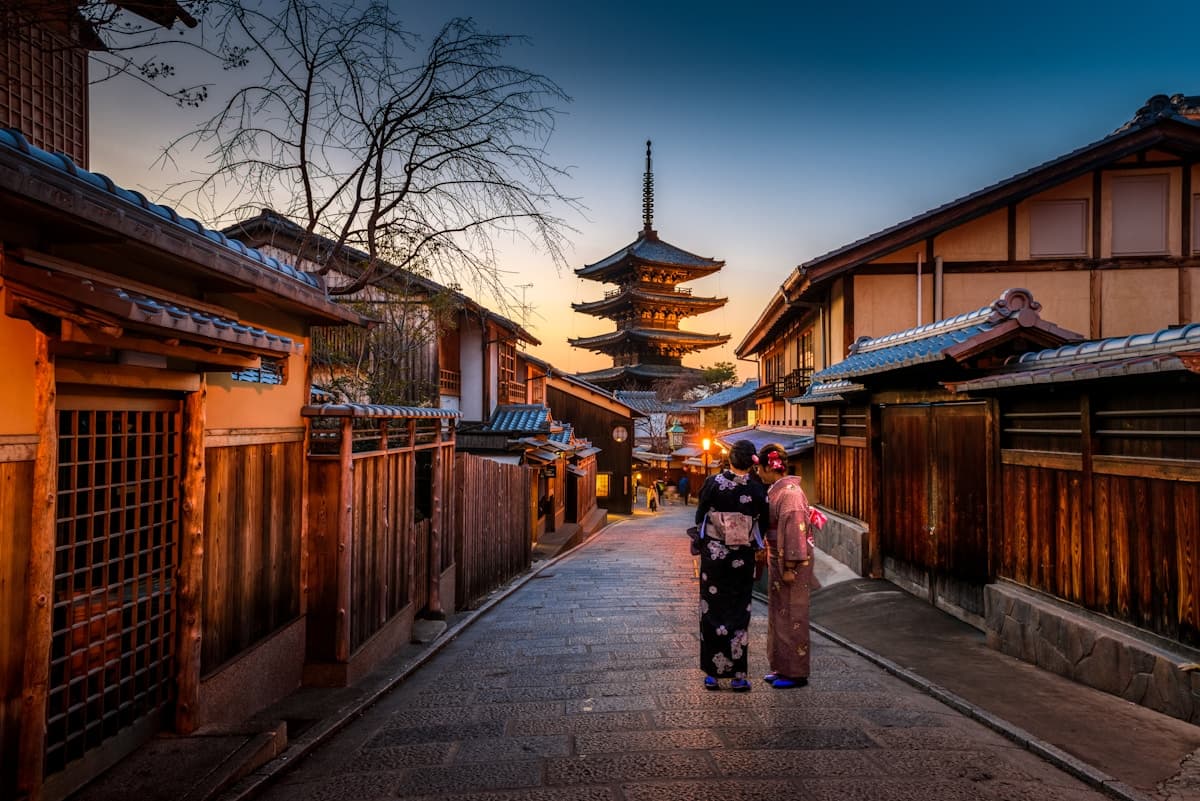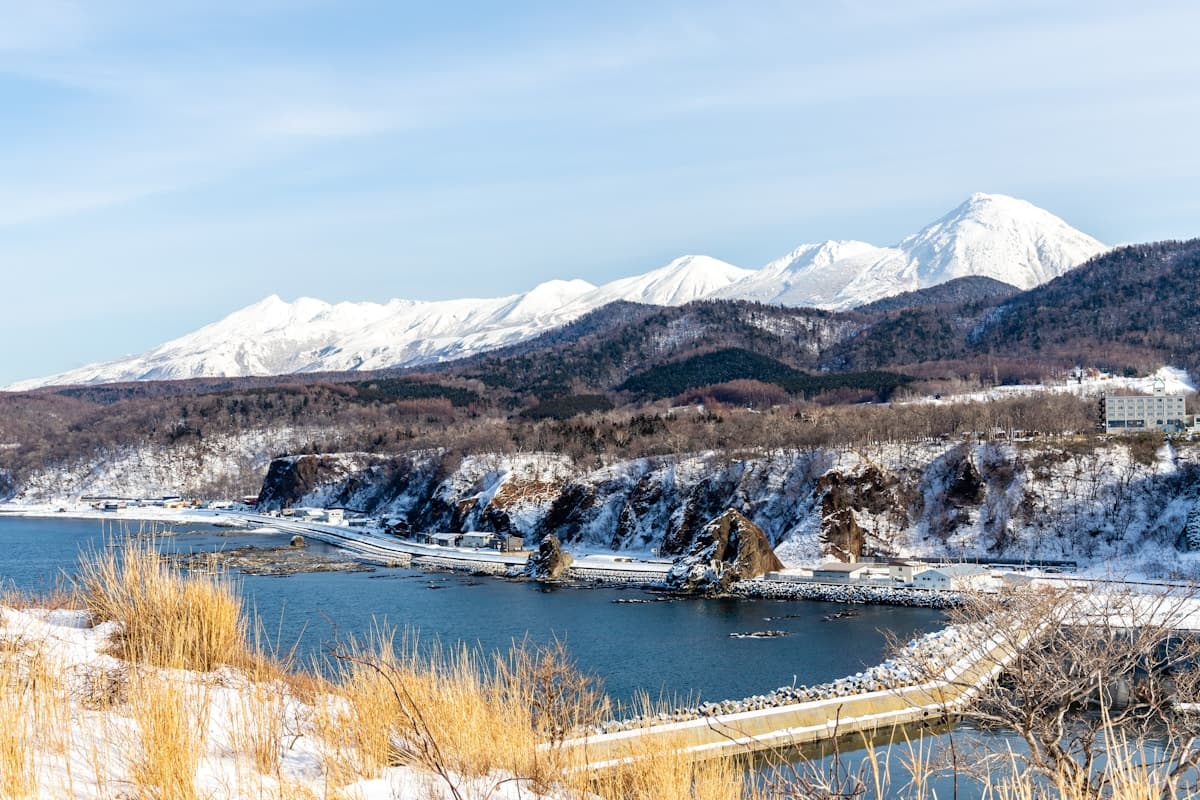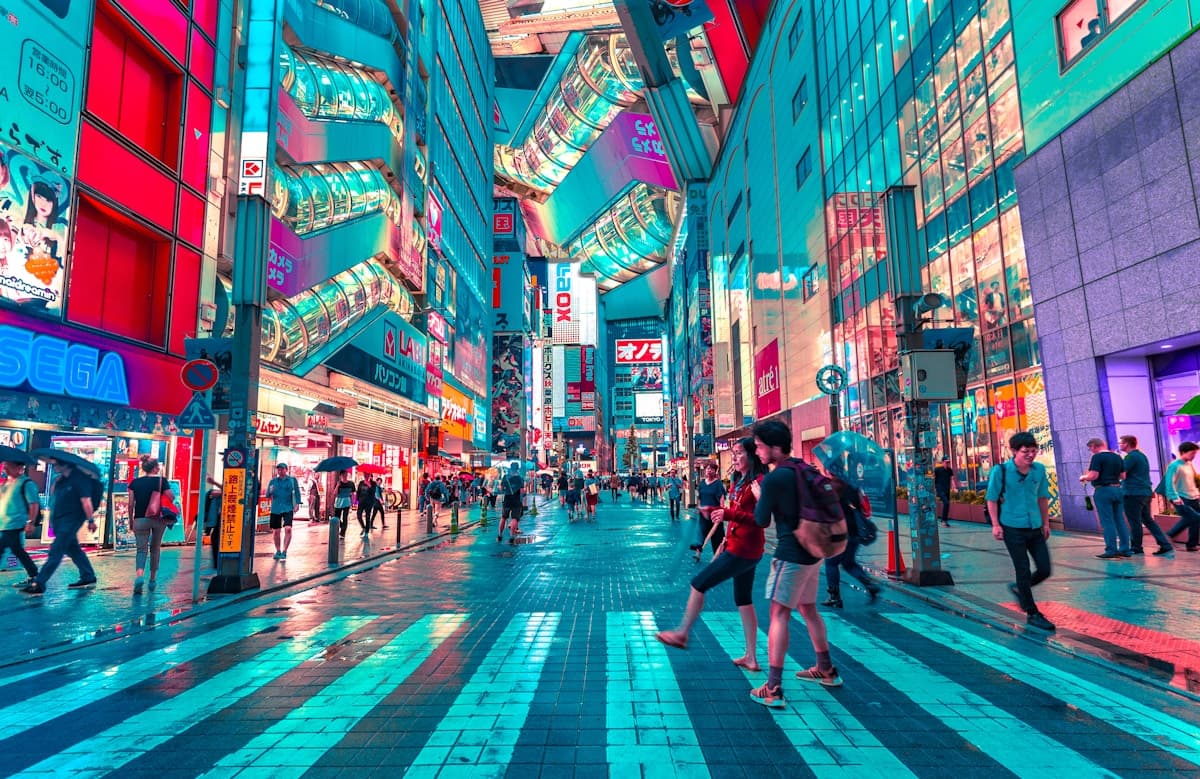
Tokyo
Where tradition and restless energy move side by side.

Which season best matches the trip you actually want — and which trade-offs are you willing to accept?
You open the calendar and see twelve months of possibility. Cherry blossoms in one window. Snow in another. A week that avoids school holidays. A stretch when flights look cheaper. Each date feels like a small promise — until you notice that every promise comes with a cost somewhere else.
Choosing when to visit Japan is rarely about finding the universally perfect season. It is about naming what your trip is actually for: city museums, mountain trails, festival nights, a ryokan pause, or simply walking without rushing. Weather, daylight, crowds, and national holidays then become constraints you can read honestly rather than slogans to chase.
The useful question is not which month wins. It is which season fits the journey you are building — and which trade-offs you are willing to accept.
There is no single best time to visit Japan. JNTO frames the year as four distinct seasons, each with different weather, scenery, and travel conditions — and what feels ideal depends on your itinerary, tolerance for heat or cold, and appetite for crowds.
Spring suits travelers who want milder temperatures and blossom viewing, and who can book early as demand rises. Early summer and the rainy season bring frequent rain and humidity on the mainland, with timing that shifts by region. Summer offers festivals and long daylight but brings heat, humidity, and typhoon risk — especially in southern and western areas from late summer into early autumn. Autumn often brings clearer air and foliage color, with September still carrying typhoon and heavy-rain risk while October and November can feel more settled. Winter is cold in much of the country, with snow in the north and on Sea of Japan coasts, ski options, and quieter travel in many places — while Okinawa stays comparatively mild.
Holiday peaks can override ordinary season logic. New Year, Golden Week, and Obon compress transport and accommodation regardless of weather. Check forecasts for blossoms and autumn leaves yearly — timing moves south to north and changes with each season.
The better date window is the one that matches your trip's purpose and your tolerance for weather, crowds, and booking pressure — not the month a brochure treated as default.
Start with the trip you are actually planning, not the season social media treated as mandatory.
Choose spring when:
You want comfortable walking weather and are interested in blossom viewing — understanding that peak bloom moves regionally and varies yearly. You can reserve trains and hotels early as demand builds. Your itinerary includes cities such as Tokyo and Kyoto where blossom timing draws domestic and international visitors.
Choose early summer or the rainy season when:
You accept rain and cloud as part of the daily rhythm. You prefer fewer blossom-crowd premiums and can adjust indoor and outdoor plans flexibly. You are visiting Okinawa or Amami, where the rainy season often arrives earlier than on the mainland.
Choose summer when:
Festivals, beach time, and alpine or highland escapes matter more than mild weather. You can plan around heat and humidity — especially in western Japan, where temperatures can exceed 35°C. You monitor typhoon forecasts if traveling in late summer, particularly to Okinawa, Amami, or coastal routes.
Choose autumn when:
Clearer days and foliage color fit your pace — knowing September can still be wet and storm-affected while later autumn months often feel more stable. You want shoulder windows between peak summer travel and year-end holidays, subject to your exact dates.
Choose winter when:
Snow scenery, skiing, onsen towns, or a slower pace appeal more than warm weather. You are prepared for cold in Hokkaido and along the Sea of Japan, while understanding southern islands stay milder. You value quieter streets and easier booking outside holiday peaks.
Many trips combine seasons across regions. A winter week in Hokkaido and a mild finish in Okinawa is a different proposition from two weeks in humid August cities. Match the season to the region and the day's job — as Planning Less, Seeing More suggests for itinerary pacing generally.
Each season solves different travel problems — none is universally better.
| Criteria | Spring | Summer | Autumn | Winter |
|---|---|---|---|---|
| Weather | Variable temperatures; blossoms from March–May, timing varies yearly and by region | Hot and humid; western Japan can exceed 35°C; typhoon risk late summer | September heavy rain and typhoons possible; October often clearer; November colder | Cold mainland; snow north and Sea of Japan coasts; milder in Okinawa; sunny days common |
| Crowds | Rising demand around blossom season; popular cities busier | Domestic travel around festivals; coastal and mountain escapes vary | Foliage draws visitors; shoulder windows possible outside peak holiday weeks | Quieter in many destinations outside New Year; ski areas busy on powder weekends |
| Prices | Accommodation and transport tighten around blossom peaks and Golden Week | Obon mid-August among the most expensive windows; heat does not always mean discounts | Foliage weekends can price up popular regions; early September less premium than late autumn | Many places calmer outside holidays; ski season carries its own peak weekends |
| Nature | Cherry blossoms south to north March–May; fresh green in mountains | Lush greenery; alpine and highland relief from lowland heat | Autumn foliage late September–early December, north to south; harvest season | Snow landscapes; ski season; crisp air and clear light on sunny days |
| Festivals | Spring matsuri and blossom-related events; Golden Week holiday travel | Summer festivals and fireworks; Obon travel peak mid-August | Autumn harvest and regional festivals; sports and school events affect weekends | New Year traditions; illumination events; winter matsuri in snow country |
| Best for | First-time city trips with mild weather and blossom interest if you accept booking pressure | Festival seekers, beach or highland plans, travelers who tolerate heat and monitor storms | Hikers and photographers wanting clearer air and foliage if dates avoid September typhoon risk | Skiers, onsen-focused trips, budget-conscious travelers avoiding blossom and Obon peaks |
Weather
Crowds
Prices
Nature
Festivals
Best for
Timing shifts by region and year. Use official forecasts rather than assuming fixed dates.
Japan spans climates from subarctic Hokkaido to subtropical Okinawa. The mainland experiences four recognizable seasons, but the same calendar month feels different in Sapporo, Tokyo, Kyoto, and Naha.
Broad phases:
Spring (March–May): temperatures climb unevenly; blossoms move from south to north with yearly variation.
Early summer / rainy season (Baiu): frequent rain and cloud on the mainland, typically June–July; Okinawa and Amami often enter the pattern from early to mid-May.
Summer: hot, humid conditions; late summer dominated by the North Pacific High; typhoon season affects travel, especially August–September.
Autumn: September can bring heavy rain and typhoons; October often clearer; November turns colder; foliage progresses late September through early December from north to south.
Winter: snow in northern regions and along the Sea of Japan; ski season; milder southern islands; many sunny days on the mainland.
National parks and rural trails add another layer. Mountain access, bus frequency, and daylight shrink or expand by season — check regional conditions when the itinerary leaves city cores.
For how seasons shape daily life and cultural rhythm — distinct from travel timing — see Living by the Calendar. This article stays on the practical side: what your dates mean for movement, comfort, and booking.
Japan's year moves through broad phases — exact timing varies by region and year.
Spring
Warming and blossom season
Variable temperatures; cherry blossoms progress south to north from March through May, with yearly shifts.
Early summer
Rainy season (Baiu)
Frequent rain and cloud on the mainland, commonly June–July; Okinawa and Amami often earlier, from early to mid-May.
Summer
Heat, festivals, typhoon risk
Hot, humid weather; late-summer North Pacific High; western Japan can exceed 35°C; typhoons peak in Okinawa and Amami in August with disruption risk into September.
Autumn
Clearer air and foliage
September can bring heavy rain and typhoons; October often clearer; November colder; foliage from late September through early December, north to south.
Winter
Cold, snow, quieter travel
Snow in the north and along the Sea of Japan; ski season; milder conditions in Okinawa; many sunny mainland days.
These are broad phases, not fixed dates. Confirm regional forecasts and holiday calendars for your specific window.
Spring is often described as Japan's most comfortable season — milder air, blossoms, and fresh green in mountains and parks. JNTO notes variable temperatures from March through May and blossom periods that shift yearly and move from south to north.
What works:
City walking without summer humidity. Blossom viewing if you follow official forecasts rather than assuming a single peak weekend nationwide. Combining urban days in Tokyo and Kyoto with a slower side trip.
What to weigh:
Demand rises around blossom season. Hotels and Shinkansen seats tighten — reserved seating becomes more important, as busy-season guidance in rail articles already notes. Golden Week (late April to early May) is among the busiest travel periods of the year. JNTO advises booking shinkansen seats in advance and expecting scarce, pricier accommodation.
Spring rewards travelers who treat blossom timing as a forecast problem, not a fixed appointment. Check JNTO's cherry blossom forecast as your dates approach and build flexibility for indoor alternatives if weather shifts.
The rainy season — Baiu or tsuyu — brings prolonged rain and cloud to much of the mainland, commonly in June and July. Okinawa and the Amami Islands often enter the pattern earlier, from early to mid-May.
This is not the season travelers choose for guaranteed sunshine. It can still fit trips built around museums, food, onsen, and cities where a wet afternoon is an inconvenience rather than a failure.
Practical notes:
Pack light layers and rain gear; humidity rises even when rain pauses. Mountain views and outdoor photography become less predictable. Some travelers prefer this window because it sits outside blossom and Obon peaks — but rain is the trade-off.
If your heart is set on dry hiking or long outdoor days, early summer on the mainland is a compromise at best. If your itinerary is flexible and you can enjoy convenience stores, cafés, and covered arcades between showers, it may be acceptable — especially when cost and crowd pressure matter more than perfect skies.
Summer in Japan is hot and humid. JNTO describes late summer as dominated by the North Pacific High, with western Japan sometimes exceeding 35°C. Festivals, fireworks, beaches, and mountain escapes draw domestic travelers even when lowland cities feel demanding.
Typhoons are the serious summer variable. JNTO notes that Okinawa and Amami face peak typhoon activity in August, with disruption risk continuing into September for much of the country. Trains, flights, and outdoor plans can change with little notice.
What works:
Festival-centered trips if you tolerate heat and monitor forecasts. Highland and coastal destinations that offer relief from urban humidity. Early-morning sightseeing before afternoon heat.
What to weigh:
Obon, typically around August 13–16, is among the busiest and most expensive travel periods. Transport sells out; accommodation prices rise. Some major cities feel quieter as residents leave, but trains and highways congest. Air-conditioned indoor time becomes part of the itinerary, not a backup.
Summer suits travelers who want cultural energy and can build buffer days around weather. It is a poor fit for uninterrupted outdoor hiking at low elevation without heat planning.
Autumn is often associated with clear skies, comfortable walking, and foliage color moving from north to south from late September through early December — timing varies yearly, as JNTO's autumn leaves forecast emphasizes.
September still carries typhoon and heavy-rain risk. October is often clearer on the mainland. November turns colder, especially in northern regions.
What works:
Photography and temple gardens when weather cooperates. Hiking in national parks as heat drops — always check local conditions and daylight. Trips that avoid both Obon heat and year-end holiday compression, depending on exact dates.
What to weigh:
Popular foliage destinations price up on peak weekends. Early September is not interchangeable with late November; packing and daylight differ sharply.
Autumn rewards travelers who read monthly weather patterns rather than treating "autumn" as uniformly mild. Follow foliage forecasts region by region, the same way blossom travelers follow spring reports.
Winter brings cold across much of Japan, with snow in northern regions and along the Sea of Japan coast. Ski season operates in mountain areas; JNTO notes sunny winter days are common even when temperatures fall. Okinawa remains comparatively mild.
What works:
Ski and snowboard trips in Hokkaido and other snow regions. Onsen towns and a ryokan night where the cold makes the bath feel purposeful. City museums and food-focused itineraries in Tokyo and Kyoto with fewer blossom-era crowds — outside New Year. Illumination events and winter festivals in snow country.
What to weigh:
Short daylight in northern latitudes. Mountain road and trail closures. New Year (late December through early January) is a major holiday peak with scarce transport and accommodation.
Winter suits travelers who want stillness, snow scenery, or value outside blossom and Obon windows — provided they pack for cold and avoid assuming mild weather nationwide.
Ordinary season advice weakens when national holidays cluster. Three windows reshape Japan travel regardless of weather:
New Year (late December through early January): families travel, businesses close or shorten hours, and accommodation tightens. JNTO's business-hours guidance is essential reading for this period.
Golden Week (late April to early May): among the busiest travel weeks of the year. JNTO advises booking shinkansen seats in advance and expecting scarce, pricier hotels.
Obon (mid-August, typically around August 13–16): among the busiest and most expensive periods. Transport sells out; prices rise. Some major cities quiet as residents return to hometowns, but trains and highways remain congested.
If your dates overlap these peaks, season becomes secondary to booking discipline. A mild spring week during Golden Week behaves like a holiday crisis, not a blossom idyll. Check JNTO's business-hours and holidays page when firming dates.
Crowds and prices follow forecasts, holidays, and school calendars more than month names alone.
High-pressure patterns:
Blossom season in major cities. Golden Week and Obon. New Year. Foliage weekends in popular mountain towns. Ski powder weekends in peak winter resorts.
Lower-pressure patterns often include:
Rainy-season weekdays on the mainland if rain is acceptable. Late winter outside New Year in cities. Weekdays in shoulder weeks between major holidays — still weather-dependent.
Booking implications:
Reserve Shinkansen seats early for holiday travel. Consider whether a Japan Rail Pass fits your dates — pass economics do not change crowd reality, but ticket planning does. Hotels and ryokan price dynamically; peak windows compress availability. Luggage forwarding may need extra lead time during peak seasons.
Payment friction does not disappear in busy weeks — keep cash and cards aligned as described in Cash or Card in Japan. Crowd planning and payment planning are separate tasks, both easier when done before departure.
The same weather feels different depending on how you travel.
City-heavy itineraries tolerate rain and heat better than remote hiking plans. Museums, department stores, covered shopping streets, and short metro hops absorb a wet day. A multi-day alpine trek does not.
Slow itineraries tolerate holiday crowds poorly if every day depends on one famous viewpoint. Fast itineraries through hubs may barely notice a regional festival except on a single train leg.
Rail-centered trips need to respect both weather and seat availability. A typhoon day matters less if your plan already includes indoor neighborhoods and flexible departure times; it matters more if you chained a dawn flight to a same-day cross-country Shinkansen connection.
Match season to itinerary style honestly:
Indoor-flexible city trip: broader date options if you accept heat, rain, or crowds as occasional taxes. Outdoor photography trip: narrower windows; build backup indoor days. One-region deep dive: read that region's climate, not national averages. Multi-region sweep: expect to pack for multiple microclimates — Hokkaido snow and Okinawa mild air do not belong in the same suitcase without planning.
Planning Less, Seeing More applies here: fewer fixed appointments leave more room for weather and crowd surprises without the trip feeling derailed.
Choosing dates from a single iconic photo — blossoms, snow, or foliage — without reading regional forecasts.
Assuming "autumn" or "spring" means uniform weather nationwide.
Ignoring Golden Week, Obon, or New Year because the month sounded calm.
Booking non-refundable hotels before checking typhoon season for coastal or southern routes.
Planning back-to-back outdoor days with no indoor alternatives during rainy season or typhoon months.
Treating Okinawa and Hokkaido as if they share the same calendar.
Expecting last-minute Shinkansen seats during holiday peaks.
Visiting only for blossoms or leaves without checking official forecast pages — timing moves yearly.
Confusing cultural seasonality with travel convenience — see Living by the Calendar for the former; this article handles the latter.
Assuming lower crowds automatically mean lower prices — some off-peak windows are cheap; others are simply wet or hot.
Name your trip's non-negotiables first: weather tolerance, crowd tolerance, must-see events, and budget ceiling.
Check JNTO weather and seasonal information pages, then JMA's climate overview for monthly patterns on your route.
Follow cherry blossom and autumn leaves forecasts if those sights matter — do not lock flights around historical peak guesses.
Build one flexible day per week in typhoon or rainy-season travel for rebooking museums, shops, or shorter neighborhood walks.
Book trains and hotels early if dates touch Golden Week, Obon, or New Year.
Pack for the region's reality: light rain gear for Baiu, breathable layers for humid August cities, warm layers for November Hokkaido.
Use weekday arrivals and departures when possible to avoid stacked weekend domestic travel.
Keep convenience stores in the plan as rainy-day infrastructure — not as destinations, but as reliable gaps between showers.
If combining a ryokan night with peak foliage or blossom weekends, confirm rates and availability early — seasonal demand affects both hotels and ryokan.
Confirm exact travel dates against Japan's national holiday calendar and your schools' break assumptions if traveling with children.
Pull monthly climate notes for each region on the itinerary — not only the first city.
If blossoms or foliage matter, bookmark JNTO forecast pages and plan to adjust expectations after arrival.
Reserve Shinkansen seats and core hotels before buying non-refundable side tours.
Align packing with itinerary style — What to Pack for Japan walks through what earns the weight: urban layers, hiking boots, or ski gear — not all three unless the trip truly needs them.
Set a typhoon or heavy-rain protocol: airline alerts, hotel flexibility, and indoor backup lists for affected cities.
Read How to Use the Shinkansen in Japan for busy-season seating and Cash or Card in Japan for payment layers once dates are set.
Leave one decision deliberately open — a neighborhood to revisit, an extra onsen day — so weather can improve the trip instead of only threatening it.
The best time to visit Japan is not a month printed on a poster. It is the window where your itinerary, your body, and the country's weather and calendar can coexist without constant friction.
Spring, summer, autumn, and winter each offer something real — and each collects a different price in heat, rain, crowds, or booking pressure. Holiday peaks can override all of them. Official forecasts can move blossom and foliage weeks in either direction.
Choose dates the way you would choose a train connection: not because it is famous, but because it fits what comes before and after. When the season matches the trip you actually want, timing stops being a worry in the background — and the days ahead become the point.
Key practical details in this guide were checked against the following official sources.
Information checked: July 2026
Continue exploring this way of seeing Japan.