Tokyo
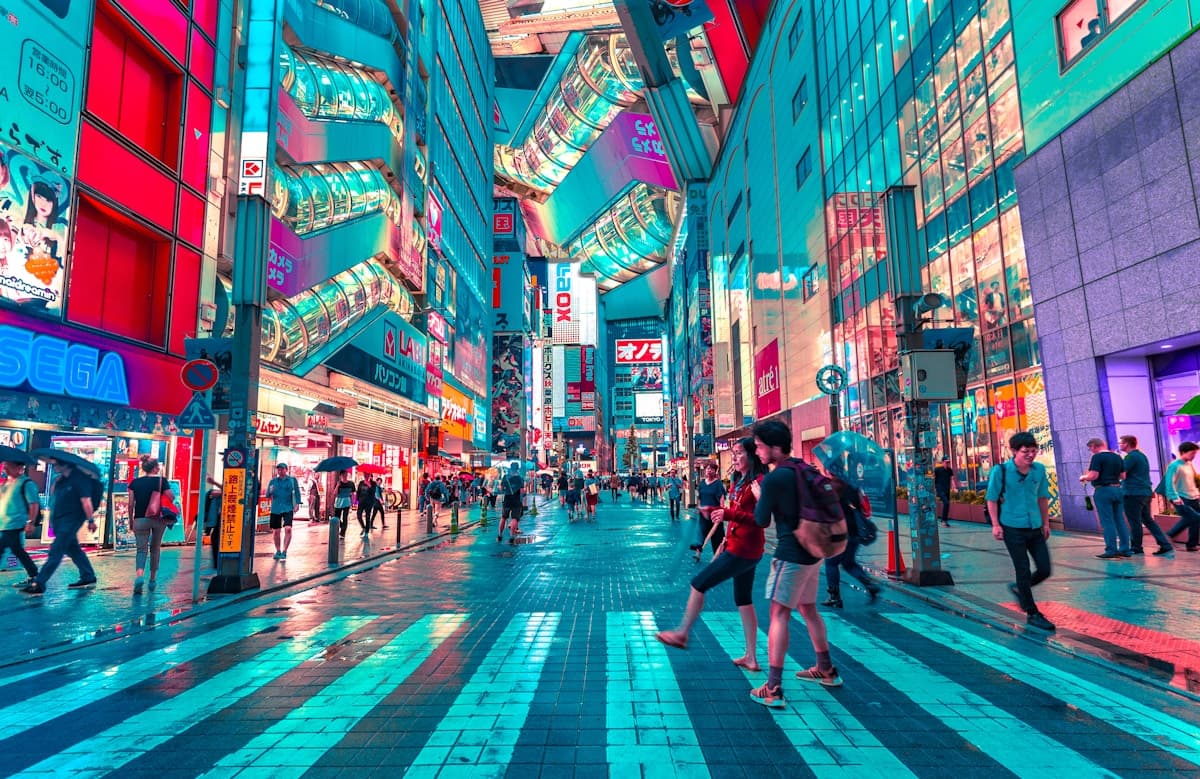
Where tradition and restless energy move side by side.
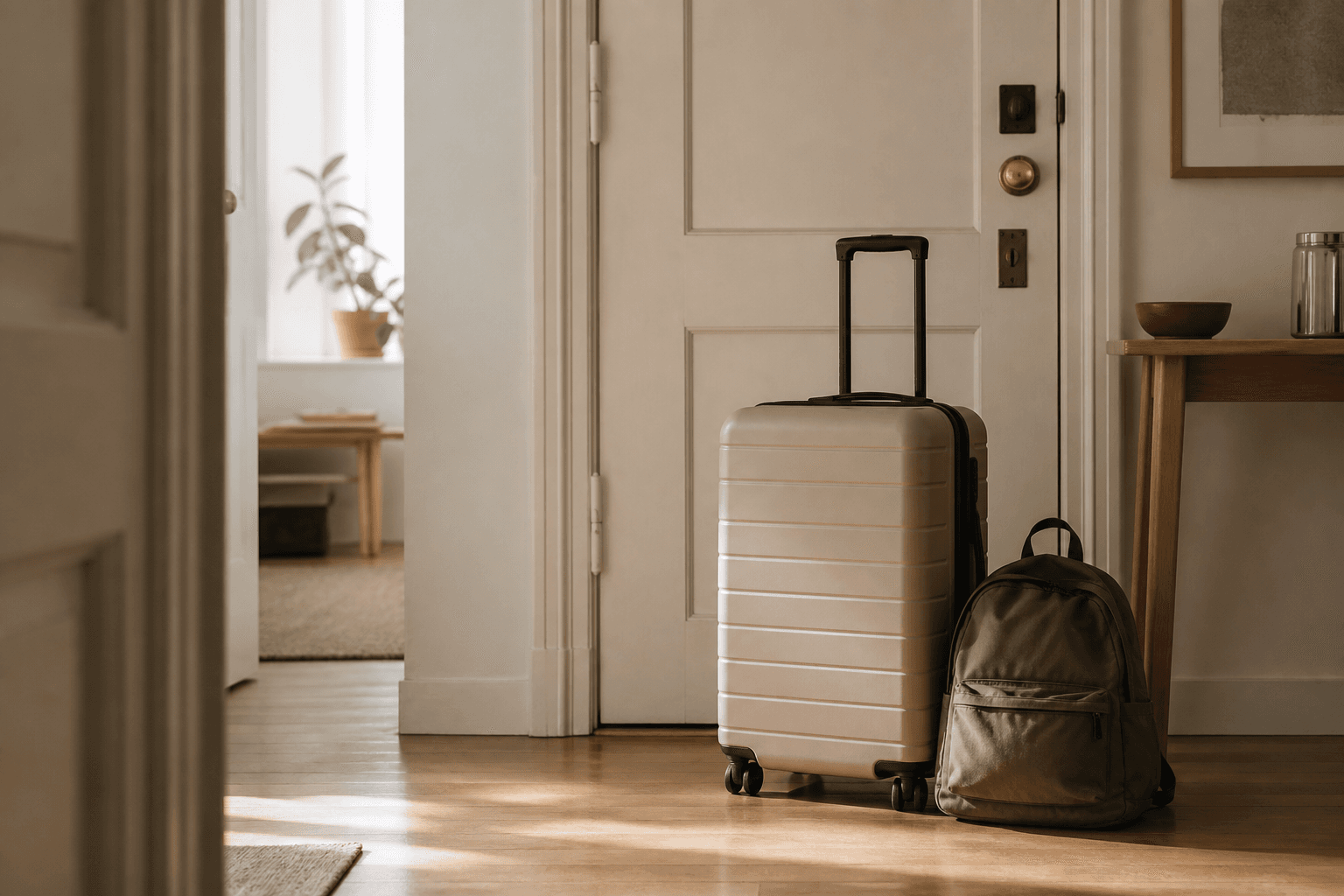
What is worth carrying for this trip — and what can you buy, borrow, or leave behind?
At Kyoto Station on the same morning, two travelers check the departure board. One wheels a large suitcase through the concourse, pausing at every stair and elevator sign. The other carries a modest shoulder bag and a small roller, already thinking about lunch near Nishiki Market before the afternoon train.
Neither is packing correctly or incorrectly. They made different bets about what the day would ask of them — how much walking, how many hotel changes, how much of the trip would move through ticket gates and narrow shop aisles.
The useful question is not which item belongs on a universal list. It is what earns the weight for this itinerary — and what you can buy, borrow, or leave behind once you know where you are actually going.
Most trips to Japan need a small set of non-negotiables: a valid passport, chargers and any plug adapter your devices require, comfortable broken-in walking shoes, prescription medications within legal import limits, and luggage sized for trains and stairs.
Almost everything else sorts into three buckets: bring from home because it is hard to replace quickly or legally restricted; buy after arrival because drugstores, convenience stores, and electronics retailers stock it routinely; or depends on your itinerary because the same item matters on one route and barely registers on another.
Japan spans climates from subarctic Hokkaido to subtropical Okinawa. A week in Tokyo and Kyoto in November asks for different layers than a February week in Sapporo followed by Okinawa. Match packing to your actual dates and regions — see When Is the Best Time to Visit Japan? for seasonal choice, not just clothing lists.
Smaller luggage is often easier through stations, coin lockers, and luggage forwarding. JNTO promotes hands-free travel for good reason: the friction on a travel day is frequently weight and wheels, not missing a third sweater.
Orientation for what usually belongs in your bag — before the detailed decisions.
Exact needs shift by itinerary. This orients the packing question — it does not replace reading your route.
Start by sorting items into three decisions — not into a single checklist everyone shares.
Bring from home when the item is personally specific, legally restricted, or slow to replace if you discover the gap on arrival day one. Prescription medicines, preferred eyewear, specialized medical devices, and comfort items you use daily fall here. So do any documents your trip requires from the start.
Buy after arrival when Japan sells the item everywhere and carrying it costs more space than it saves trouble. Ordinary toiletries, umbrellas, seasonal rain gear, plug adapters, and many over-the-counter items fit this bucket. Buying locally is not poor planning. It is often the lighter plan.
Depends on your itinerary when the same object is essential on one route and unnecessary on another. Extra warm layers for Hokkaido, a larger cash-and-coin rhythm for rural days, or a bigger suitcase only if you will not use forwarding or lockers on heavy transfer days — each is an itinerary call, not a national rule.
None of these is automatically better. The fit depends on your season, your cities, and how much of each day will be spent walking between stations, hotels, and neighborhoods.
Sort items by whether they are worth carrying — not whether they appear on a generic list.
Bring from home
The item is hard to replace quickly, legally restricted, or personally specific.
Prescription medicines, preferred eyewear, specialized gear, and comfort items you rely on daily.
Buy after arrival
Japan sells it everywhere and carrying it would cost more space than it saves trouble.
Toiletries, umbrellas, rain gear, plug adapters, and many convenience items — often at drugstores or konbini.
Depends on itinerary
The same item is essential on one route and unnecessary on another.
Extra warm layers for Hokkaido, cash-heavy pouches for rural days, or a larger bag only if you will not use forwarding or lockers.
None of these is automatically better. The fit depends on your season, route, and how much you will move by train on foot.
Japan's urban retail layer exists partly to solve small daily gaps — including gaps travelers create by packing light.
Drugstores stock toiletries, sunscreen, basic skin care, and many over-the-counter medicines. Convenience stores sell rain gear, umbrellas, drinks, snacks, and seasonal comfort items when weather shifts. Electronics retailers in major cities carry plug adapters and transformers if you misjudged voltage needs.
You do not need to arrive with a full bathroom kit. Travel-size toiletries from home are convenient; buying shampoo or toothpaste after landing is equally normal. The point is not to treat Japan as a backup pharmacy. It is to recognize that ordinary items are easy to find in Tokyo, Kyoto, and Osaka — and that buying one forgotten item locally is often cheaper in suitcase space than carrying duplicates from home.
Convenience stores in Japan are part of this pattern: quick stops for rain, hydration, and small needs between destinations — not a reason to pack heavily before departure.
For what an ordinary rainy day still looks like on the street — covered shopping arcs, indoor stops, adjusted routes — see When It Rains in Japan.
Rural and remote stretches have fewer shops. If your route leaves city cores for several days, carry a little more of what you cannot easily replace. That is itinerary logic again, not a rule that everyone must overpack.
Seasonal packing is not a separate essay here. When Is the Best Time to Visit Japan? owns the choice of dates, weather trade-offs, and holiday pressure. This section only names what those dates imply for your bag.
Spring: pleasant walking weather, but temperatures can drop suddenly. Layers beat one perfect outfit.
Early summer and the rainy season: frequent rain on the mainland; light rain gear and breathable layers matter more than a heavy coat.
Summer: hot and humid in most cities; light, breathable clothing and patience for indoor air-conditioned breaks.
Autumn: comfortable days and cooler evenings; extra layers, especially if you move north or into mountain towns.
Winter: warm clothing nationwide; a proper winter jacket even when southern islands stay milder than Hokkaido.
Multi-region trips should pack for the extremes on your route, not for a national average. A February week in Sapporo and a mild finish in Okinawa belongs in the same planning conversation — but not necessarily in the same single coat choice.
Check regional forecasts as dates approach. Season names are broad; your actual week is specific.
Some items should never be treated as optional — and should stay on your person, not in checked or forwarded luggage.
Valid passport: required for entry; visa rules depend on nationality — check JNTO visa guidance before departure.
Hotel check-in: foreign visitors without a Japan address must present a passport at check-in, per official guidance cited in JNTO's FAQ.
Visit Japan Web: optional pre-arrival registration that can simplify some procedures — useful, not mandatory.
Payment and identity: keep cards, cash, and passport in a day pack when using coin lockers or luggage forwarding. The overnight bag is insurance against delay, not a second wardrobe.
Safety preparation: save 110, 119, and the Japan Visitor Hotline; keep passport copies and insurance details accessible — Safety in Japan covers numbers and koban orientation without repeating packing mechanics here.
Cash: Japan remains a mixed cash-and-card society. Carrying some yen is still advisable even when cards cover most hotel and chain purchases — see Cash or Card in Japan for how much and where to withdraw, not for repeating payment mechanics here.
Connectivity: your phone and its charger belong with you. How you connect — eSIM, pocket Wi-Fi, or roaming — is decided in eSIM vs Pocket Wi-Fi in Japan; this article only notes that the device should be packed where you can reach it at immigration and hotel check-in. The first-hours sequence after landing is covered in Airport Arrival Guide: Your First Hours in Japan.
Japan uses 100V AC nationwide, with 50Hz in eastern Japan and 60Hz in western Japan including Nagoya, Kyoto, and Osaka. Outlets are predominantly Type A two-prong. Many foreign devices are dual-voltage and need only a plug adapter; others require a step-down transformer — check the label on each charger.
Bring the chargers your devices actually use. Adapters and transformers are sold at electronics retailers in major cities if you misjudge, but arriving without a way to charge your phone is an avoidable first-day problem.
A power bank helps on long transit days. Keep it in your carry-on bag with other daily electronics — not inside a forwarded suitcase you may not see until tomorrow.
Newer Shinkansen trains often have power outlets at window seats — ask when booking if outlet access matters for a long leg. Details sit in How to Use the Shinkansen in Japan, not here.
Do not duplicate eSIM setup or pocket Wi-Fi comparison. Pack the hardware; choose the connectivity product elsewhere.
Most Japan itineraries are walking itineraries. Comfortable, broken-in shoes matter more than an extra outfit — especially where days combine stations, temple approaches, market streets, and hotel stairs.
JNTO's national-parks guidance applies even in manicured cities: choose sturdiness over style when paths, steps, and slippery surfaces are part of the day. Test shoes on a long walk before departure if your trip is new to you.
Layers beat single-purpose items. Spring and autumn can shift temperature within one week. Summer asks for breathable fabric; winter asks for warmth you can remove indoors.
Some stores and homes expect shoe removal. Easy on/off footwear and clean socks reduce friction more than packing extra pairs of fashion shoes.
Ryokan nights supply yukata and often spare indoor footwear patterns — see Ryokan vs Hotel in Japan and How to Use Japanese Onsen for what the property provides versus what you carry. You do not need a full formal wardrobe for a two-week city trip. You need clothing that matches how far you will walk and how often you will change hotels.
Prescription medicines should come from home in original packaging with documentation. Japan allows private import of prescription drugs up to one month's supply without Import Confirmation, per MHLW and Japan Customs guidance. Over-the-counter drugs and quasi-drugs are generally limited to about two months' supply. External-use medicines are limited to about 24 units per item.
Larger quantities, controlled substances, and some prohibited categories require advance permission from MHLW — contact the bureau for your port of entry if you are unsure. Do not rely on a blog's drug-by-drug list. Use official MHLW import guidance linked from JNTO's medication page.
Photograph prescription labels before travel. Carry a copy of the prescription or a doctor's note when practical. Keep essential medications in your day pack, not in forwarded luggage.
Toiletries split cleanly: travel sizes from home are fine; ordinary soap, shampoo, toothpaste, and sunscreen are easy to buy at drugstores after arrival. Large quantities of cosmetics or quasi-drugs may fall under import quantity rules if you are bringing cases rather than personal-use amounts.
This section stays factual and restrained. It is not a substitute for medical or legal advice about your specific prescriptions.
Bag size is a travel-mechanics question in Japan more often than elsewhere. Stations have stairs, narrow platforms, and locker compartments that favor smaller rollers. Luggage forwarding works best when the suitcase is within ordinary courier size limits and zips closed cleanly. Coin lockers favor travelers who can fit essentials into a day pack and store the rest briefly — large compartments are scarcer than small ones.
JNTO frames delivery and storage services as enablers of hands-free travel — sending or storing bags so you move through a city lightly. That is not an instruction to forward everything. It is a reminder that a heavy bag changes which afternoons are possible.
A practical default for many city trips: one modest checked or roller bag plus a day pack that holds passport, medications, wallet, phone, and one weather layer. Inter-city weeks with multiple hotel changes often reward forwarding the large bag on the heaviest transfer day while carrying essentials separately.
Where you sleep affects how often you repeat the stair-and-elevator calculation — Where to Stay in Tokyo and Where to Stay in Kyoto help you read base choice against daily carry load.
Packing less is not ideology here. It is logistics: fewer wheels on a Shinkansen transfer day, fewer negotiations with locker size charts, more afternoons that stay walkable.
Should I bring a whole pharmacy from home?
No. Bring prescription medicines you require within legal limits, plus any personal items you cannot buy quickly. Ordinary OTC items and toiletries are widely available at drugstores.
Do I need a voltage converter or just an adapter?
Check each device label. Dual-voltage chargers often need only a Type A plug adapter. Single-voltage appliances may need a transformer. Adapters are buyable in cities if you forget one.
How much cash should I physically carry?
Enough for a few days of small purchases and coins for vending machines and lockers — not a large unused stack. See Cash or Card in Japan for amounts and ATM strategy.
Can I pack my suitcase full of snacks or gifts?
Personal-use quantities are generally fine; commercial quantities may require declaration. Japan Customs publishes passenger guidance for restricted and dutiable goods.
Do I need special Japanese chargers?
No. Bring your usual chargers and the correct plug adapter or transformer for Japan's 100V Type A outlets.
Should I bring a bath towel?
Hotels and ryokan usually provide towels; onsen facilities have their own rules — see How to Use Japanese Onsen. A small travel towel is optional for day trips, not mandatory for every stay.
What must stay in my day bag versus forwarded luggage?
Passport, payment tools, phone, chargers, glasses, and medications needed within 24–48 hours stay with you. Clothing for one night and a weather layer belong in the overnight bag if forwarding the main suitcase.
Are reusable shopping bags necessary?
Useful in national parks and some rural areas where trash bins are scarce. Urban konbini sell bags if you need one — not a pre-departure crisis item for most city trips.
Pack for tomorrow's movement first — the train leg, the check-in gap, the walking day — not for the entire trip at once.
Leave modest empty space for returns, gifts, or items bought locally.
Photograph medication labels and prescription documents before sealing your bag.
Test walking shoes on a long day before departure if the trip will be new to your feet.
Put passport, wallet, phone, chargers, and daily medications in the day pack before you close the main suitcase — especially on forwarding or locker days.
Match clothing to regions on the itinerary, not to one city's forecast alone.
If inter-city transfers look painful on paper, decide forwarding versus carrying before checkout — not at the hotel desk under time pressure.
Use convenience stores as the local layer for forgotten rain gear or small comfort items rather than pre-packing duplicates of everything.
Read Planning Less, Seeing More if your instinct is to over-schedule — lighter bags pair naturally with fewer fixed appointments.
A smaller bag does not make you a better traveler. It changes which hours are available.
When the suitcase waits in a locker or travels ahead by courier, the afternoon between checkout and check-in becomes walkable — market streets, a museum detour, lunch without elevator math. When the bag stays with you through every gate, those same hours shrink to what wheels and stairs allow.
Japan's train network, station lockers, and hotel forwarding options exist because residents and visitors both move frequently between dense places. Packing strategy is how you use that infrastructure — not whether you admire it.
Fewer items do not mean unprepared. They mean the bag matches the trip's actual friction points: stairs, transfers, hotel changes, and the distance you will cover on foot after leaving the hotel.
That is the practical case for thoughtful packing — not a contest to see who can carry the least.
Confirm visa and passport validity for your nationality through JNTO and MOFA guidance.
If you carry prescription or controlled medicines, read MHLW import rules and contact the bureau for your port of entry when unsure.
Match clothing to each region on the itinerary — use When Is the Best Time to Visit Japan? for seasonal choice and forecast habits.
Decide which inter-city legs deserve forwarding versus carrying — see Luggage Forwarding in Japan and Using Coin Lockers in Japan.
Set up payment and connectivity per Cash or Card in Japan, IC Cards in Japan, and eSIM vs Pocket Wi-Fi in Japan — then pack only what those choices require on your person.
Charge adapters and power banks; place daily essentials in a day pack before zipping the main bag.
Leave one packing decision open — a layer you might buy locally, a bag you might forward on only one leg — so the suitcase serves the trip instead of leading it.
What to pack for Japan is not a contest to remember every item a forum once recommended. It is a set of decisions about weight, timing, and what your specific days will ask of you.
Bring from home what is legally sensitive, personally specific, or slow to replace. Buy after arrival what ordinary shops stock everywhere. Let the itinerary decide the rest — layers for Hokkaido, coins for rural buses, a smaller roller if forwarding or lockers will carry the heavy work.
When the bag matches the trip, packing stops occupying the background of every platform change. The question fades. The days ahead become the point.
Continue exploring this way of seeing Japan.
Where tradition and restless energy move side by side.
Where tradition still shapes everyday life.
Where people have learned to live with the seasons.