Skip to content
Japan Atlas
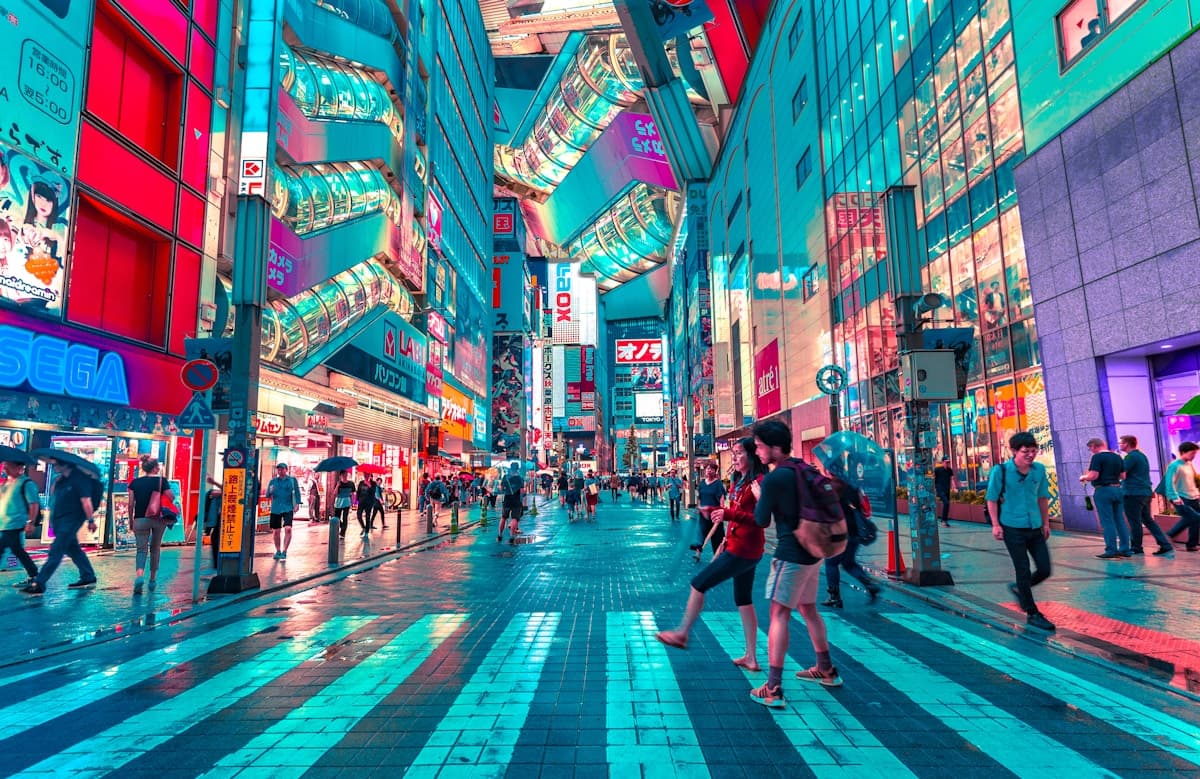
People walking along a brightly lit Tokyo street at night

Tokyo

Where tradition and restless energy move side by side.

← Destinations
Time Needed
4–7 days
Mood
Electric · Curious · Fast-paced
Best Season
Mar–May, Oct–Nov

Overview

Tokyo is often understood through its scale — the density of its districts, the pace of its streets, the hum of a metropolis that rarely settles.

Yet its character emerges in the contrasts: a shrine garden glimpsed between office towers, a narrow alley opening onto a lantern-lit square, a morning market returning the city to an older rhythm.

Tokyo does not ask to be understood all at once.

It reveals itself gradually, to those willing to move patiently between stillness and motion.

Highlights

Senso-ji Temple

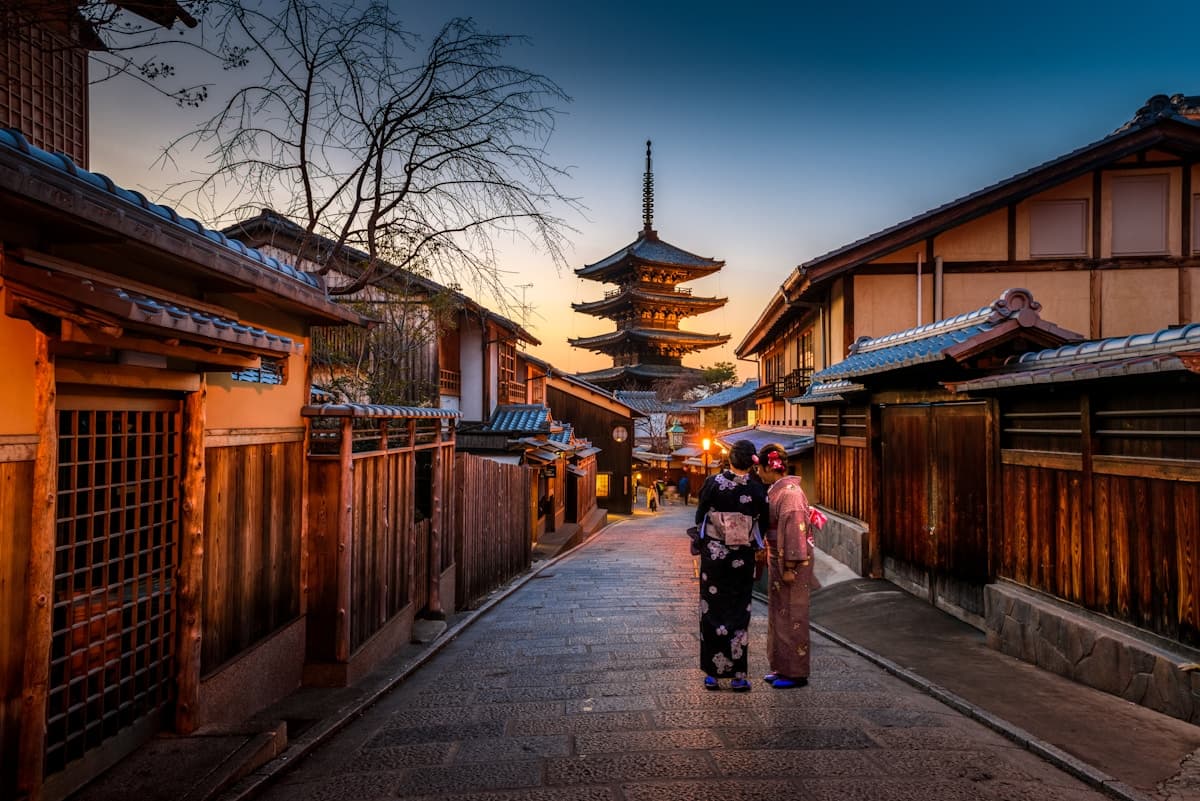
In Asakusa, the city's oldest temple district, the approach through Nakamise-dori leads to a main hall that has drawn visitors for centuries. Incense, wooden architecture, and the steady flow of prayer create a space where Tokyo's distant past remains vividly present.
Shibuya and Shinjuku

As daylight fades, these districts become a landscape of movement and light, where thousands of separate journeys briefly intersect before disappearing again into the city.

Meiji Shrine

Set within a forested expanse at the city's center, Meiji Shrine offers a deliberate pause. Torii gates mark a transition from urban pace to shaded quiet, where wedding processions, weekend strolls, and individual prayer share the same consecrated ground.

Tsukiji Outer Market

Morning begins here with steam rising from small kitchens, vendors greeting familiar faces, and seafood prepared only moments before it reaches the counter. Though the wholesale market has moved, the outer streets still carry the rhythm of generations of trade.

Choosing Your Base

Tokyo is large enough that your base shapes each day differently. The decision is not which hotel ranks highest — it is which neighborhood's mornings and evenings you want to inherit.

Western hubs suit late returns and Yamanote loops. Tokyo Station fits Shinkansen-heavy itineraries. Ueno and Asakusa favor museum mornings and temple-town calm.

Compare Tokyo neighborhoods in Where to Stay in Tokyo: Choosing the Neighborhood That Fits Your Trip.

If accommodation type is still open, see Ryokan vs Hotel in Japan: Which Should You Choose?.

Find the best area before choosing a hotel. Specific property recommendations belong after the neighborhood decision — not here.

Before You Go

Arrive with time to wander without a fixed plan. Tokyo's neighborhoods shift in character within a few blocks, and some of the most telling moments come from turning down a street with no particular destination.

Observe the unwritten etiquette of shared spaces — quiet on trains, orderly queuing, attentiveness in shrines and smaller restaurants. These small courtesies are part of how the city sustains such density with grace.

Allow the city to set its own rhythm across the day. Morning brings a different Tokyo than evening; a district that feels overwhelming at noon may feel intimate after dark.

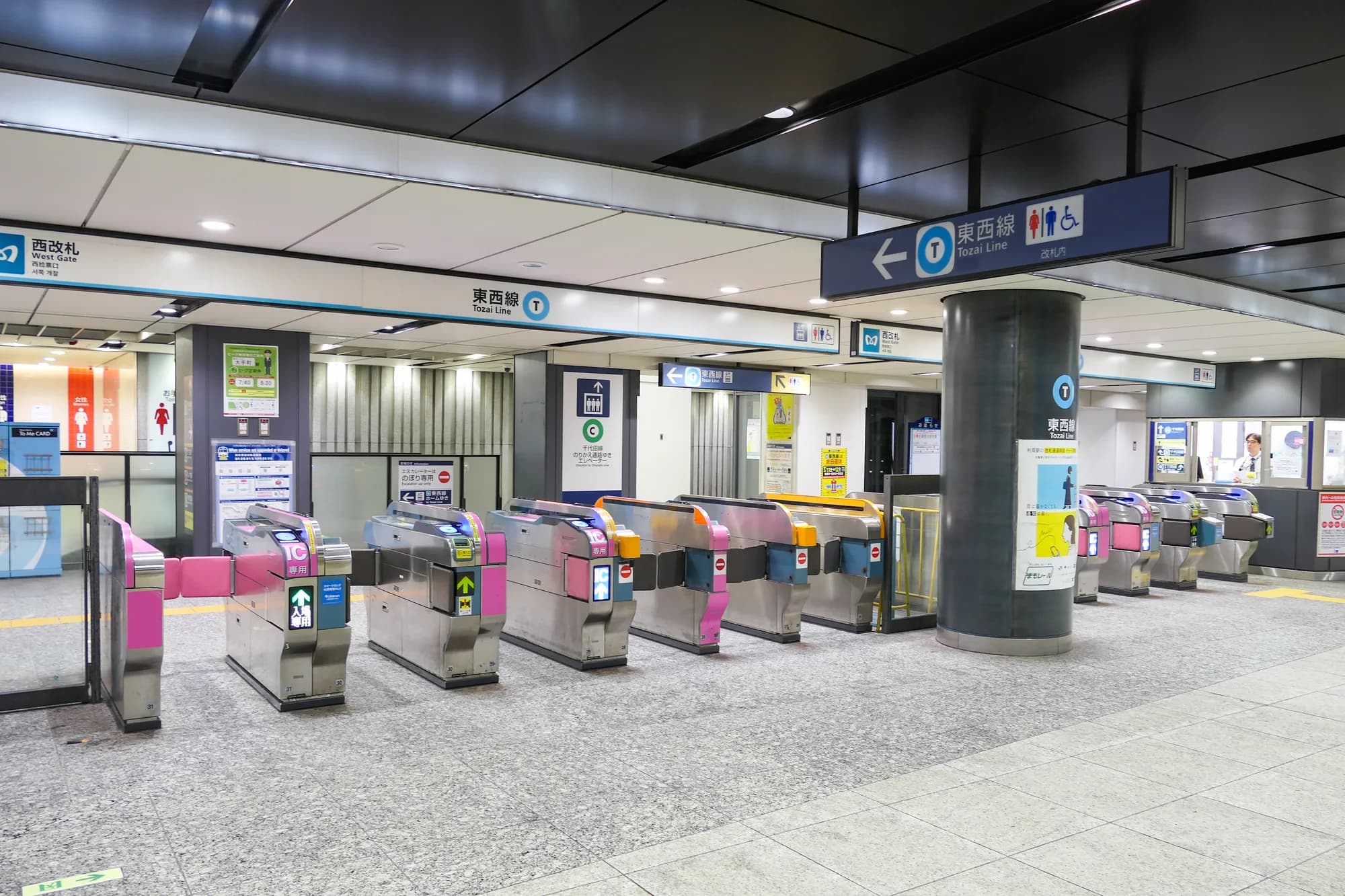
For logistics before you arrive, see Airport Arrival Guide: Your First Hours in Japan and IC Cards in Japan: Suica, PASMO, and How to Use Them and When Is the Best Time to Visit Japan? Choosing the Season That Fits Your Trip.