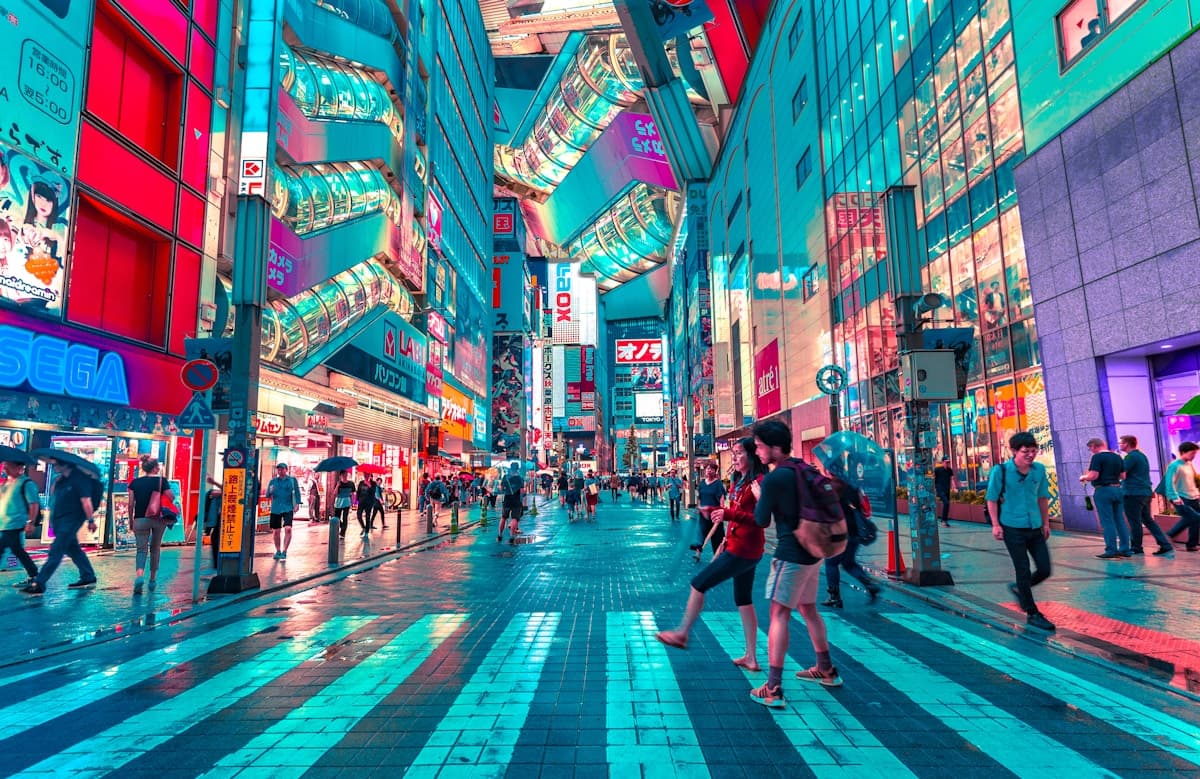
Tokyo
Where tradition and restless energy move side by side.
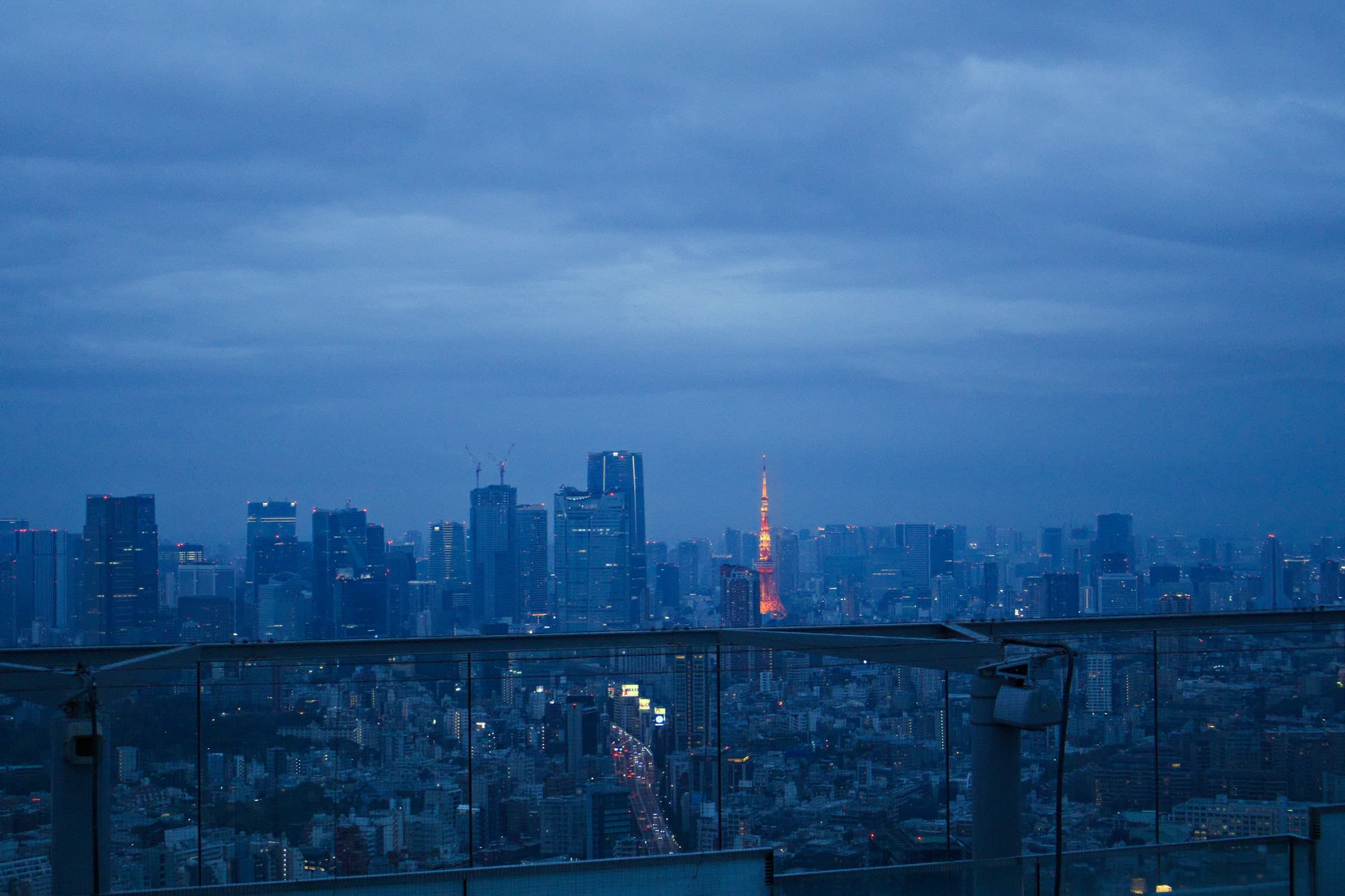
Which part of Tokyo best matches the way you want to travel — and what trade-offs come with that choice?
Choose the atmosphere that feels right to you before reading further.
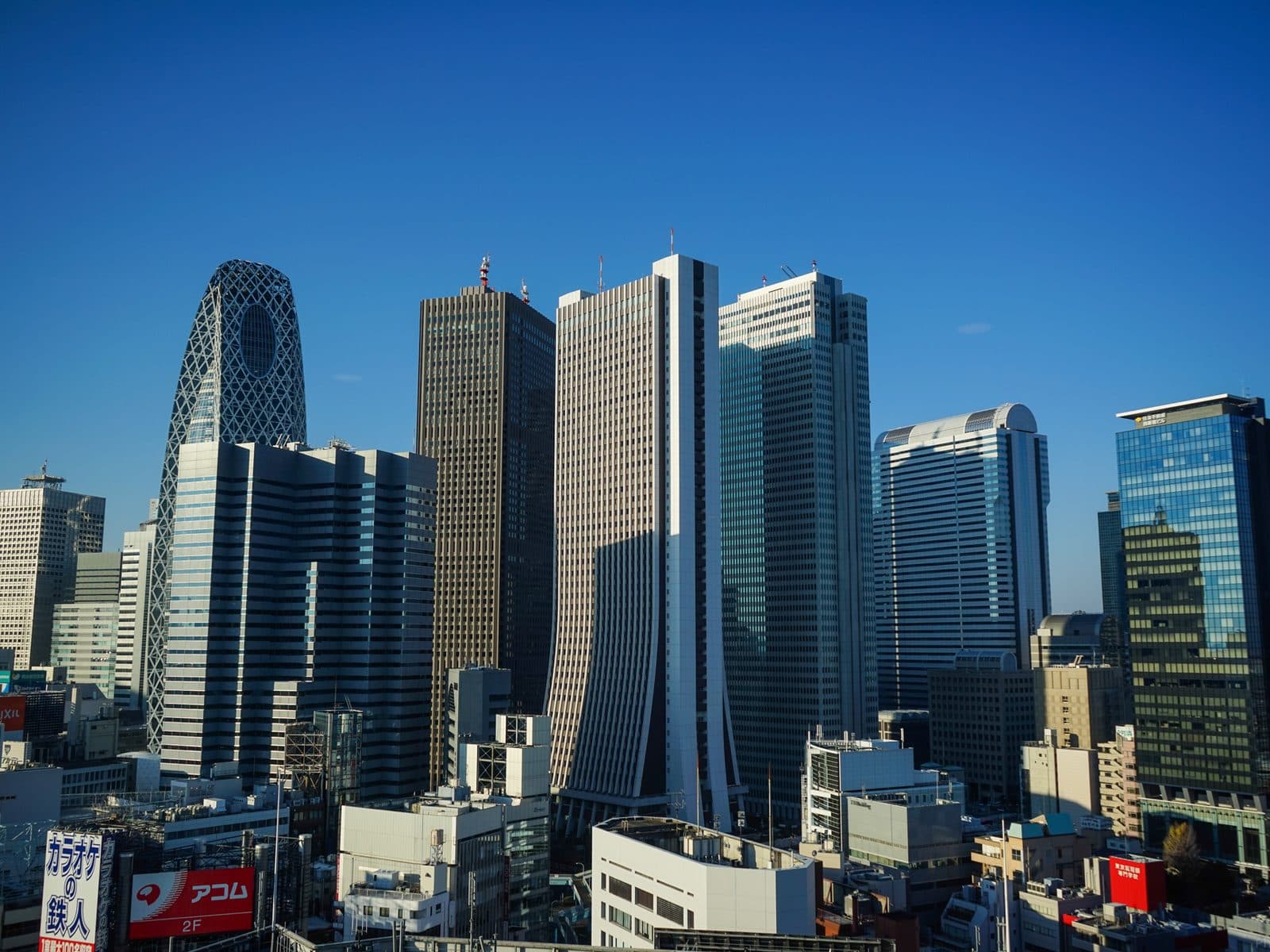
Shinjuku
A western Yamanote hub with dense shopping, dining, and late-night options — busy streets and one of the world's largest stations.
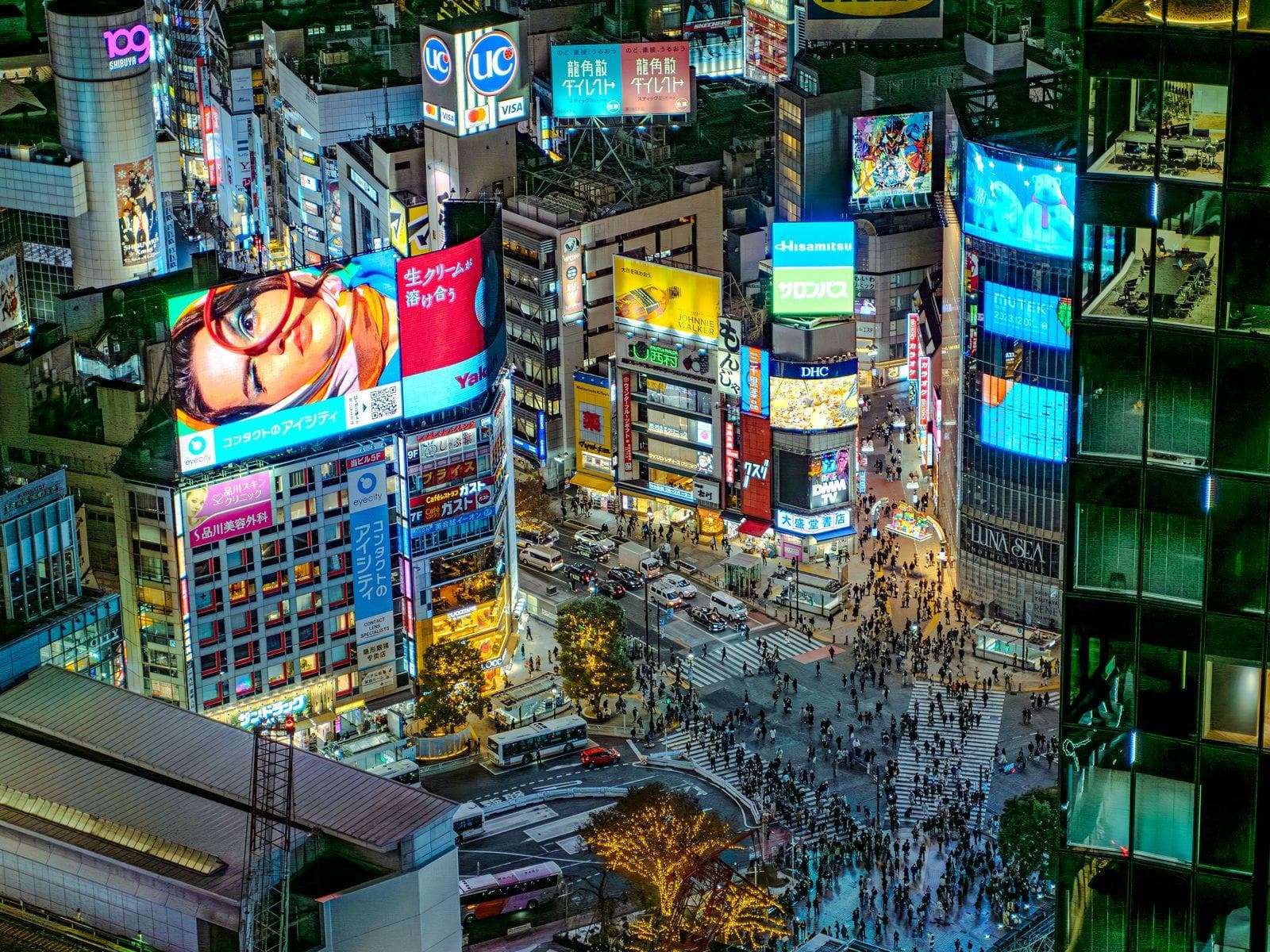
Shibuya
Youth fashion, nightlife, and design energy in western Tokyo — vivid streets, with less fit for quiet or traditional mornings.
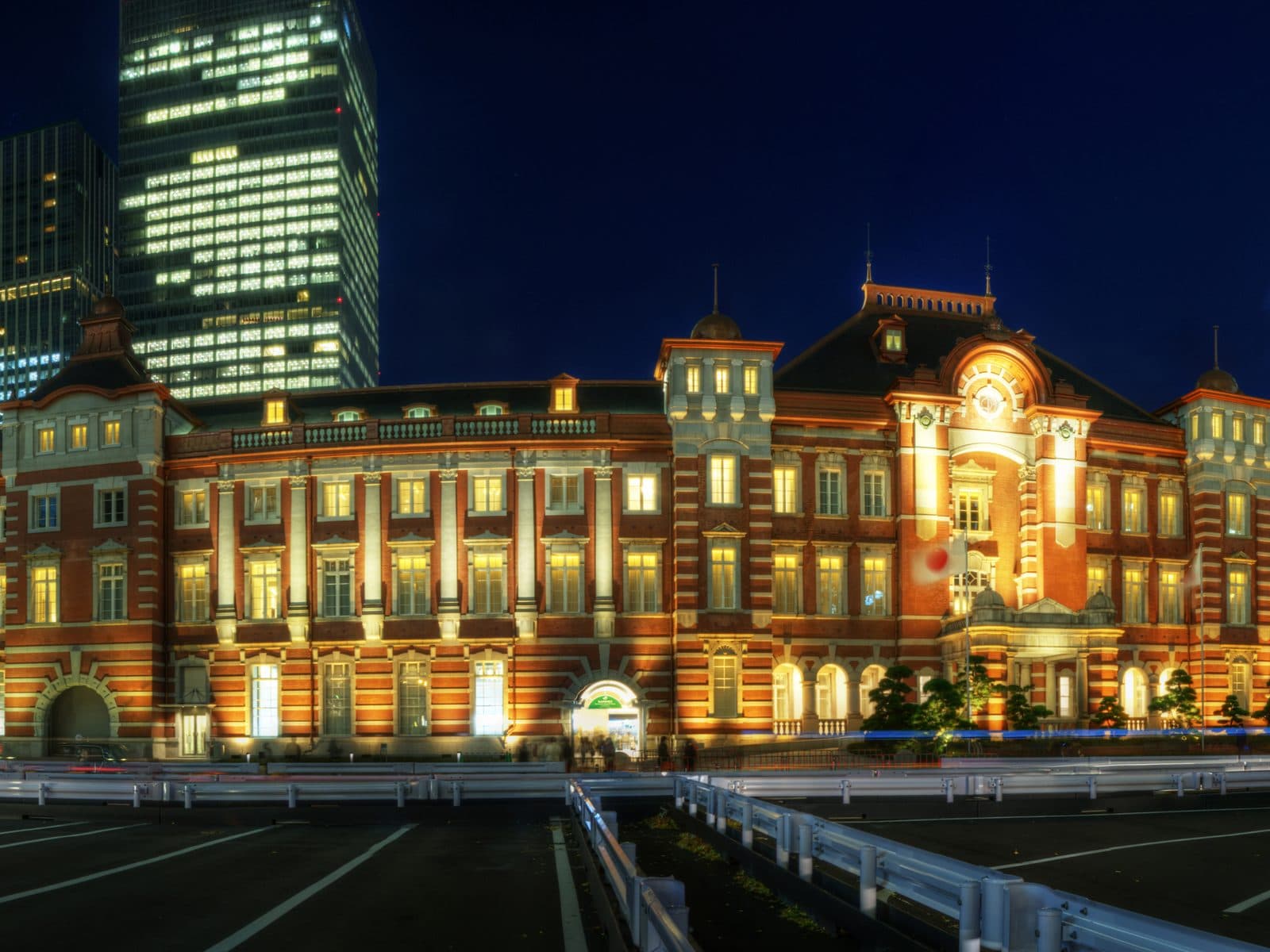
Tokyo Station
The Shinkansen and airport gateway — polished and central, with quieter evenings and less neighborhood intimacy.
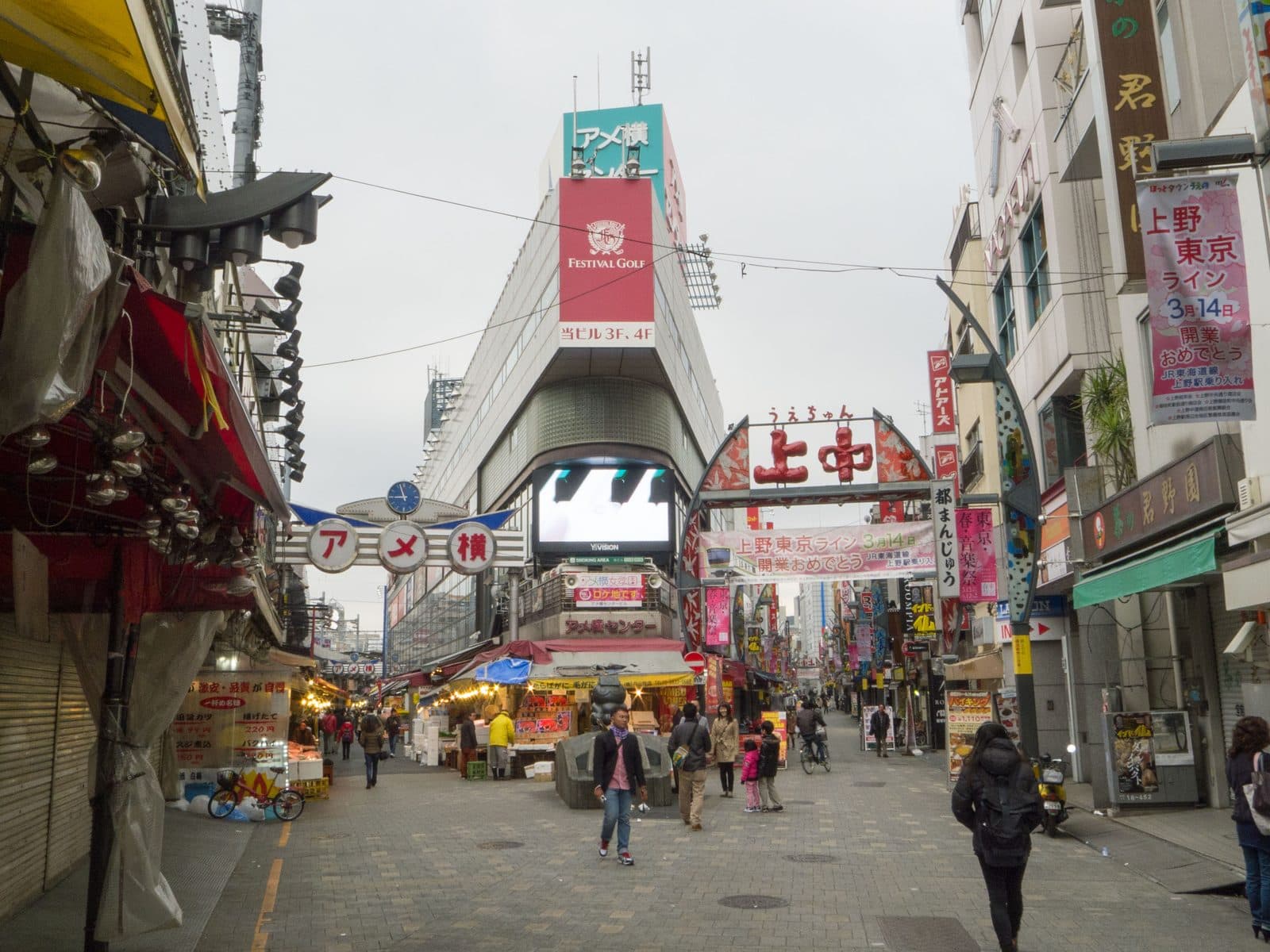
Ueno
Museums, park mornings, and Ameyoko market energy in northern Tokyo — simpler logistics, with less western-Tokyo nightlife at the door.
Shinjuku
A western Yamanote hub with dense shopping, dining, and late-night options — busy streets and one of the world's largest stations.
Shibuya
Youth fashion, nightlife, and design energy in western Tokyo — vivid streets, with less fit for quiet or traditional mornings.
Tokyo Station
The Shinkansen and airport gateway — polished and central, with quieter evenings and less neighborhood intimacy.
Ueno
Museums, park mornings, and Ameyoko market energy in northern Tokyo — simpler logistics, with less western-Tokyo nightlife at the door.
Image credits
You open a map and drop three hotel pins. All are in Tokyo. All look plausible. One sits above a station that sends trains in every direction before breakfast. One rests in a temple district where shop shutters close early and mornings feel deliberate. One anchors a corner where the street still has life when you return from dinner.
The question is not which pin wins a ranking. It is which daily pattern fits the trip you are actually building — the walks you want before coffee, the station you can reach with luggage, the hour you expect to come home, and how much complexity you want at the turnstile.
Tokyo is large enough to contain several different trips at once. The useful work is matching your base to the way your days will move.
There is no single best neighborhood for every Tokyo trip. Match your base to how you move, what you want within walking distance, and how much station scale you can tolerate without friction.
Start with movement: Will you loop the city on the Yamanote Line, depart on Shinkansen from Tokyo Station, or spend mornings in museums and temple streets? Then match atmosphere: western nightlife and shopping density, central polish near Marunouchi, or northern park-and-market calm.
Accommodation type is a separate decision. Ryokan vs Hotel in Japan covers the rhythm of the stay itself — hosted evening versus flexible checkout. This article covers where in Tokyo that stay should sit.
Specific hotel recommendations belong elsewhere. The decision here is neighborhood — the part of the city whose mornings and evenings you will inherit for several days.
Three common bases cover many first-time and return itineraries. None is universally better. Each trades one kind of convenience for another.
Stay in Shinjuku when you want a western Yamanote hub with dense shopping, dining, and late options — and you accept one of the world's largest stations and consistently busy streets. Shinjuku mixes skyscrapers with entertainment alleys and offers highway bus access alongside rail. Shinjuku Gyoen provides a park contrast when you need quiet between dense days.
Stay near Tokyo Station when Shinkansen legs, airport buses, or east–west Japan transfers shape your calendar. Tokyo Station is among Japan's busiest stations by train volume and the gateway for bullet trains north and south. Marunouchi and Ginza sit within easy reach; in-station dining and ekiben culture can absorb a travel morning. Evenings can feel more restrained than Kabukicho or Dogenzaka.
Stay in Ueno or Asakusa when museums, parks, temple-town streets, or a slower northern and eastern pace matter more than western fashion districts. Ueno clusters park, museums, zoo, and Ameyoko market energy. Asakusa centers on Sensoji, Nakamise, and a riverside rhythm distinct from Ueno's campus feel — often considered together because both favor culture over club districts.
Shibuya, Ginza, and Ikebukuro remain strong alternatives discussed in the sections below. The three bases above are starting points, not a complete list.
Three common base areas — each fits a different travel rhythm.
Stay in Shinjuku
You want a western Yamanote hub with dense shopping, dining, and late options; you accept a very large station and busy streets.
Strong for multi-direction city days and highway bus access; Kabukicho and Golden Gai nightlife nearby; Shinjuku Gyoen offers park contrast.
Stay near Tokyo Station
Shinkansen legs, airport buses, or east–west Japan transfers shape your trip; you want maximum rail connectivity.
Marunouchi and Ginza within reach; station dining and ekiben culture; evenings can feel quieter than Shinjuku or Shibuya.
Stay in Ueno / Asakusa
Museums, parks, temple-town atmosphere, or a slower eastern and northern rhythm matter more than western nightlife.
Ueno for museums, park, and Ameyoko; Asakusa for Sensoji and riverfront — both favor culture over club districts; farther from western fashion zones.
No area is universally better. Match the base to how your days actually move.
Four major bases illustrate how Tokyo neighborhoods differ in daily feel — not in quality. Use this table to compare trade-offs in parallel. Asakusa, Ginza, and Ikebukuro appear in dedicated sections; they are nearby alternatives rather than omissions.
Shinjuku offers western crossroads energy. Tokyo Station offers Shinkansen and airport-bus centrality. Ueno offers park-and-museum calm. Shibuya offers youth-fashion nightlife and walkable links into Harajuku and Omotesando.
None of these columns declares a winner. A base that simplifies your mornings may complicate your evenings, and the reverse is equally true.
Four major bases compared by travel rhythm — not ranked.
| Criteria | Shinjuku | Tokyo Station | Ueno | Shibuya |
|---|---|---|---|---|
| Atmosphere | Skyscrapers, shopping streets, entertainment alleys; busy western energy | Red-brick station, Marunouchi offices, polished central tone | Park, museums, market street; northern cultural calm | Youth and fashion culture, scramble crossing; varied street-by-street character |
| Transport | Major Yamanote hub; multi-line JR, private, and subway access; highway buses | Shinkansen gateway; Yamanote; Marunouchi Line to Ginza, Shinjuku, Ikebukuro; airport buses | Yamanote stop; Ginza and Hibiya Metro lines; Keisei access for some airport routes | JR, Metro, Tokyu, and Keio lines; station can feel like a tunnel labyrinth; Hachiko exit as meeting point |
| Nightlife | Strong late-night dining and bar districts including Kabukicho and Golden Gai | More restrained evenings; Ginza and Shimbashi reachable by short train or walk | Quieter nights; daytime energy shifts to Ameyoko and museum hours | Center Gai and Dogenzaka; strong evening shopping and bar energy |
| Walking | Dense retail within station radius; Shinjuku Gyoen park nearby | Imperial Palace to the west; Ginza to the east on foot | Ueno Park campus; museum cluster walkable from one stop | Harajuku, Omotesando, and Daikanyama often reachable on foot in fifteen to twenty minutes |
| First visit | Works if you accept hub scale and want western access in every direction | Works if rail departures or airport buses dominate your first and last days | Works for museums, park time, and a traditional northern tone | Works if iconic urban energy and fashion streets matter more than museum-quiet mornings |
| Best for | Multi-direction city days, late returns, and highway bus connections | Shinkansen-heavy itineraries, airport transfer days, central elegance | Museums, families, blossom-season park stays, slower mornings | Fashion and shopping focus, evening energy, western Tokyo exploration on foot |
Atmosphere
Transport
Nightlife
Walking
First visit
Best for
The decision visual groups Ueno and Asakusa together; this table uses Shibuya as the fourth column for western nightlife comparison. Asakusa has a dedicated section below — it is not omitted. Ginza and Ikebukuro are also discussed in prose. Match any base to your actual daily route, not to a reputation.
Tokyo Station is a national transport hub — among Japan's busiest stations by train volume and the gateway for Shinkansen services north to Hokkaido and south to Kyushu. Airport buses connect to both Haneda and Narita with documented travel times on Go Tokyo's area pages. Most travelers pass through here at least once, whether or not they sleep nearby.
Marunouchi, west of the station, carries an office-district elegance — European-feel streets, the Imperial Palace grounds nearby, and a polished daytime rhythm. East toward Nihonbashi and south toward Ginza, walking distances stay short. The station itself holds extensive shopping and dining, including ekiben culture that can turn a departure morning into a contained meal rather than a separate errand.
A Tokyo Station base suits itineraries where How to Use the Shinkansen in Japan departures recur — Kyoto, Osaka, or onward legs after Tokyo. It also suits arrival and departure days when airport buses matter more than neighborhood nightlife. Pair with an IC card for short hops on the Yamanote and Marunouchi Line rather than treating every movement as a Shinkansen problem.
The trade-off is tone. Evenings can feel businesslike compared with Shinjuku or Shibuya. If your trip is museum-and-temple mornings followed by early nights, Ueno or Asakusa may feel more natural. If your trip is defined by rail geography, Tokyo Station earns its place on the map.
Shinjuku is western Tokyo's crossroads. JNTO describes the station area as home to the busiest train station in the world — a major highway bus stop as well as a Yamanote hub served by JR, private railways, and multiple subway lines. Go Tokyo frames the district as a thriving business area mixing skyscrapers with atmospheric back streets.
Department stores and electronics retailers sit beside entertainment districts such as Kabukicho and Golden Gai. Shinjuku Gyoen, a large park a short distance from the station core, offers a different morning — lawns and seasonal color when When Is the Best Time to Visit Japan? puts blossom weeks on your calendar.
From a movement standpoint, Shinjuku sends you outward in many directions without returning to Tokyo Station. That matters on days when you want Akihabara, Harajuku, or Ikebukuro without a central transfer. Airport access is documented on Go Tokyo — bus and train options to Haneda and Narita — though exact timing belongs to operator schedules, not this guide.
The trade-off is scale. The station complex is vast; the streets around it stay busy into the night. Travelers who want a quieter return after dinner may find Ueno or Asakusa calmer. Travelers who want one western hub that never feels early may find Shinjuku exactly right.
Shibuya is the center of cutting-edge youth and fashion culture — famous for its scramble crossing, shopping streets such as Center Gai, and nightlife slopes in Dogenzaka. JNTO notes the station can feel like a confusing labyrinth of tunnels; the Hachiko exit remains a recognizable meeting point when coordinating with companions.
Multiple JR, Metro, Tokyu, and Keio lines meet here. Go Tokyo documents walkable links to Harajuku, Omotesando, and Daikanyama in roughly fifteen to twenty minutes — useful when your day mixes fashion streets with quieter residential lanes without a train transfer.
Shibuya's character varies street by street rather than presenting one uniform culture. That variety suits travelers who want evening energy and are comfortable navigating station complexity. It suits less well when your mornings begin with museum blocks in Ueno or temple quiet in Asakusa — both reachable by train, but not by the same walking rhythm.
For a broader view of western Tokyo beyond a single base, see the Tokyo destination page. This section stays on whether Shibuya's pace belongs at your hotel door, not on sightseeing lists.
Ueno is northern Tokyo's cultural and recreational hub. Ueno Park holds museums, a zoo, a pond, and a shrine — famous for cherry blossoms in spring, when demand rises as in other blossom destinations. Go Tokyo also highlights Ameyoko, a market street with energetic, bargain-oriented shopping a short walk from the station.
The museum cluster rewards travelers who want several indoor days within one radius. Families often find the park-and-zoo combination practical. Evenings tend quieter than western entertainment districts — a trade-off if you want late-night streets outside your window, an advantage if you want museum doors before crowds.
Tokyo Station is roughly eight minutes on the Yamanote; Shinjuku roughly twenty-four. Keisei lines connect toward Narita from this side of the city, which can matter on departure day depending on your airport and ticket choice.
For a quieter pocket distinct from the park campus, Go Tokyo lists Yanaka and Nezu under Northern Tokyo — residential lanes and small temples worth a walk even when you sleep elsewhere. Ueno works as a base when your trip's weight sits in culture and green space rather than western fashion nights.
Asakusa is traditional downtown — centered on Sensoji, the Nakamise shopping approach, and Sumida River waterfront where Tokyo Skytree enters the skyline. JNTO places Asakusa at the heart of Tokyo's downtown character: ancient temples and traditional stores rather than office-tower density.
The rhythm differs from Ueno despite geographic proximity. Mornings often begin with temple grounds and riverside walks; evenings can quiet earlier than in Shinjuku. Go Tokyo documents Tokyo Station access with a transfer pattern — farther in minutes than Ueno, which matters if you expect daily Shinkansen departures from your doorstep.
Asakusa suits travelers who want temple-town atmosphere at their base and are willing to train west for shopping districts. It pairs naturally with Ueno in the decision framing above when culture outweighs nightlife — some travelers choose one, some split nights, many visit both on foot or one stop apart.
Eastern Tokyo also includes Skytree's surrounding area as a visit destination. Sleeping in Asakusa keeps that skyline in your evening walk without requiring a dedicated hotel district there.
Ginza is central Tokyo's upscale district — historic department stores, luxury retail, Kabukiza theatre, and art galleries. Go Tokyo notes weekend pedestrian paradise hours on the main thoroughfare, when the street itself becomes a slower walk.
Ginza Station sits on Metro Ginza, Marunouchi, and Hibiya lines. Tokyo Station is a few minutes on the Marunouchi Line; Yurakucho JR is walkable. The atmosphere reads polished and deliberate — less late-night chaotic than Kabukicho, less youth-scramble than Shibuya.
A Ginza base suits travelers who want central elegance and department-store infrastructure within steps, and who treat Shinkansen departures from Tokyo Station as occasional rather than daily. It suits less well when budget backstreet dining and entertainment alleys define your evening routine.
Ginza is often paired mentally with Tokyo Station — many travelers sleep near the station and walk Ginza after checkout storage, or sleep in Ginza and treat Marunouchi as the morning commute. The choice is whether your room looks onto retail boulevards or onto the red-brick station concourse.
Ikebukuro is another northern busy hub — flanked by large department stores including Tobu and Seibu, with Sunshine City entertainment complex and a strong anime, manga, and subculture presence. Go Tokyo highlights Otome Road, Pokémon Center, and flagship Animate among the district's draws.
The station ranks among Tokyo's major transport centers. For travelers whose interests skew subculture and indoor entertainment rather than temple tourism, Ikebukuro can outperform a day-trip-only approach to similar districts elsewhere.
Dynamic and high-energy, Ikebukuro trades the traditional downtown feel of Asakusa for contemporary fandom infrastructure. It is a useful base when your companions care more about character goods and arcade floors than about Sensoji at dawn.
Akihabara, described in JNTO's Tokyo overview as a technology and anime day-trip district, often fits as a visit rather than a sleep location — intense daytime energy, less residential calm. Roppongi, Odaiba, and Skytree surroundings similarly reward targeted visits without requiring a neighborhood commitment in this guide.
Trip style narrows the map faster than hotel filters.
First-time visitors who want one western hub and accept station scale often land in Shinjuku or Shibuya. First-time visitors who expect bullet trains early in the trip often lean toward Tokyo Station. First-time visitors who prioritize museums, park, and temple mornings often lean toward Ueno or Asakusa.
Families may prefer Ueno's park-and-zoo cluster or Shinjuku's park contrast at Gyoen — both offer green breaks between dense city days. Nightlife seekers gravitate toward Shinjuku or Shibuya; Ginza offers a more restrained central evening. Slow walkers benefit from bases where their main sights sit inside one walkable radius — Ueno for museums, Asakusa for temple streets, Ginza for department-store blocks.
Shinkansen-heavy itineraries reward Tokyo Station proximity. Japan Rail Pass holders still face the same geography — the pass does not change which station your hotel faces. IC-card city days favor any Yamanote stop; the question is which stop you will use most often.
Planning Less, Seeing More applies when choosing one base versus splitting a long Tokyo stay across two neighborhoods. Two pins can fit two rhythms — hub nights near Tokyo Station, culture nights in Asakusa — if luggage and checkout logistics are manageable.
Tokyo is served by Haneda (Tokyo International Airport) and Narita. Know which airport you land at before you filter neighborhoods — Haneda and Narita reach different parts of the city on different timelines, and that choice shapes night-one hotel decisions more than district reputation. Airport Arrival Guide: Your First Hours in Japan covers the arrival-to-city workflow; this section picks up once you know which station you are heading toward.
Central neighborhoods reach both airports by train, monorail, bus, and airport express services — exact products and times vary by operator and are better confirmed at booking than memorized from a neighborhood guide.
The JR Yamanote Line remains the mental map for many travelers — a loop connecting Shinjuku, Shibuya, Tokyo Station, Ueno, and Ikebukuro among other stops. Most bases in this article sit on or near that loop, which simplifies day planning even when individual trips use subway lines.
Hub stations differ in character. Tokyo Station optimizes for Shinkansen and airport buses. Shinjuku optimizes for multi-direction JR and highway buses. Shibuya optimizes for western Tokyo and private-line connections. Ueno optimizes for northern culture and some Keisei airport access. None eliminates the need for an IC card on ordinary city days.
Major hubs also tend to offer the most reliable restroom access on travel days — inside and outside ticket gates at larger stations, with nursing and diaper-changing areas at some JR East hubs. When your base sits on a Yamanote stop you use repeatedly, you inherit that infrastructure without planning each stop separately — see Using Public Toilets in Japan for what to expect once you follow the signage.
Airport access alone rarely should pick your entire neighborhood. A late Narita arrival may favor a hotel directly above a known station exit — regardless of district — more than a district you will love on day three. Save 110, 119, and the Japan Visitor Hotline before night one — Safety in Japan covers emergency numbers and koban orientation in one calm pass. Pair airport planning with Convenience Stores in Japan for the first hour when cash, water, and a charged phone matter more than neighborhood charm.
Should I choose a neighborhood from hotel price alone?
No. Map your daily route first — which station, which line, which hour — before filtering by price. A cheaper pin far from your most-used exit often costs more in time and friction.
Is Shibuya "central" for Shinkansen departures?
No. Most bullet trains leave from Tokyo Station. Shibuya suits western Tokyo energy; it does not simplify Shinkansen mornings.
Do Asakusa and Ueno feel the same?
No. They appear near each other on a map but carry different rhythms — Ueno for park-and-museum calm, Asakusa for temple-town mornings. See the dedicated sections for each.
How much do station size and exits matter with luggage?
A lot — especially at Shinjuku and Shibuya after a long flight. Verify which exit your hotel references; a five-minute walk from the wrong exit can double after dark.
Should I book a pretty street far from my most-used station?
Only if you accept the daily transfer. Stay near the station you will actually use, not the one that sounds most prestigious.
Does accommodation type affect neighborhood choice?
Yes — they are separate decisions. A ryokan night and a business hotel night follow different rules; see Ryokan vs Hotel in Japan.
Should I sleep in Akihabara or Roppongi because they are famous?
Usually as visit destinations, not sleep locations — intense daytime energy, less residential calm.
How do I plan blossom photography in Ueno or Shinjuku Gyoen?
Read seasonal forecasts in When Is the Best Time to Visit Japan? rather than historical peak guesses.
Will every shop accept cards in market streets?
No — keep Cash or Card in Japan in mind for Ameyoko and small vendors.
What should I decide before booking?
List non-negotiables: dawn Shinkansen, museum blocks, nightlife curfew, or temple mornings — then choose the neighborhood that fits.
List your non-negotiable movements first — which station, which line, which hour — then draw a rough Yamanote map before you filter hotels.
Stay near the station you will actually use, not the station that sounds most prestigious. Verify which exit your hotel references; a five-minute walk from the wrong exit can double after dark.
Consider one hub for arrival and departure days and a different rhythm for the middle of your stay if the trip is long enough to justify one checkout.
Pair blossom or foliage plans with official forecasts rather than historical peak guesses — Ueno Park and Shinjuku Gyoen both draw seasonal crowds.
Use eSIM vs Pocket Wi-Fi in Japan for station navigation and exit maps on first arrival.
Keep small cash for market streets and temple approaches; card coverage is broad but not universal in every stall.
Evening dining near your base varies by district — family chains and izakaya clusters sit closer to some hubs than others; see Japanese Restaurants Explained for how to read restaurant types before you walk in.
If you already chose ryokan versus hotel, place that stay where the evening rhythm fits — a ryokan night rarely belongs in a district you chose only for scramble-crossing energy.
Once accommodation type is settled, neighborhood choice matters more than brand name — see Ryokan vs Hotel in Japan for how the night's job differs from the map pin.
Name what each Tokyo day must accomplish: a Shinkansen departure, a museum block, a fashion afternoon, a temple dawn, a late show.
Mark those needs on a Yamanote sketch. Notice which stop repeats.
Choose neighborhood before hunting specific hotels — filters hide trade-offs this article is meant to surface.
Confirm airport arrival time and whether you need a hotel directly on a known station exit for night one.
Read How to Use the Shinkansen in Japan if Tokyo Station anchors your departures.
Load an IC card plan and connectivity option before you depend on station Wi-Fi underground.
Leave one Tokyo day deliberately open — a neighborhood to revisit after you have walked your first choice — so the base can prove itself before the rest of the country pulls you onward.
The right Tokyo neighborhood is not the one with the most recommendations. It is the one whose mornings and evenings match the trip you are already building — the station you can reach with luggage, the streets you want after dinner, and the pace you can keep without fighting the city every day.
Shinjuku, Tokyo Station, Ueno, Shibuya, Asakusa, Ginza, and Ikebukuro each offer a real daily rhythm. Each collects a different cost in noise, transfer time, or evening quiet. None is universally correct.
Choose the area the way you would choose a train seat: not because it is famous, but because it fits what comes before and after. When the neighborhood matches the way you travel, the hotel becomes infrastructure again — and Tokyo becomes the point.
If you have compared neighborhoods and know which area fits your trip, the next step is choosing a specific place within that area.
Stay near the places you will actually spend time — the station you will use most days, the streets you want after dinner, and the walks you want before coffee. Japan Atlas will add curated area collections here when editorial vetting is complete. For now, your neighborhood decision is the planning work that matters.
Future: neighborhood hotel collections by area — editorial picks chosen for station access and daily rhythm, not commission rankings.
Continue exploring this way of seeing Japan.