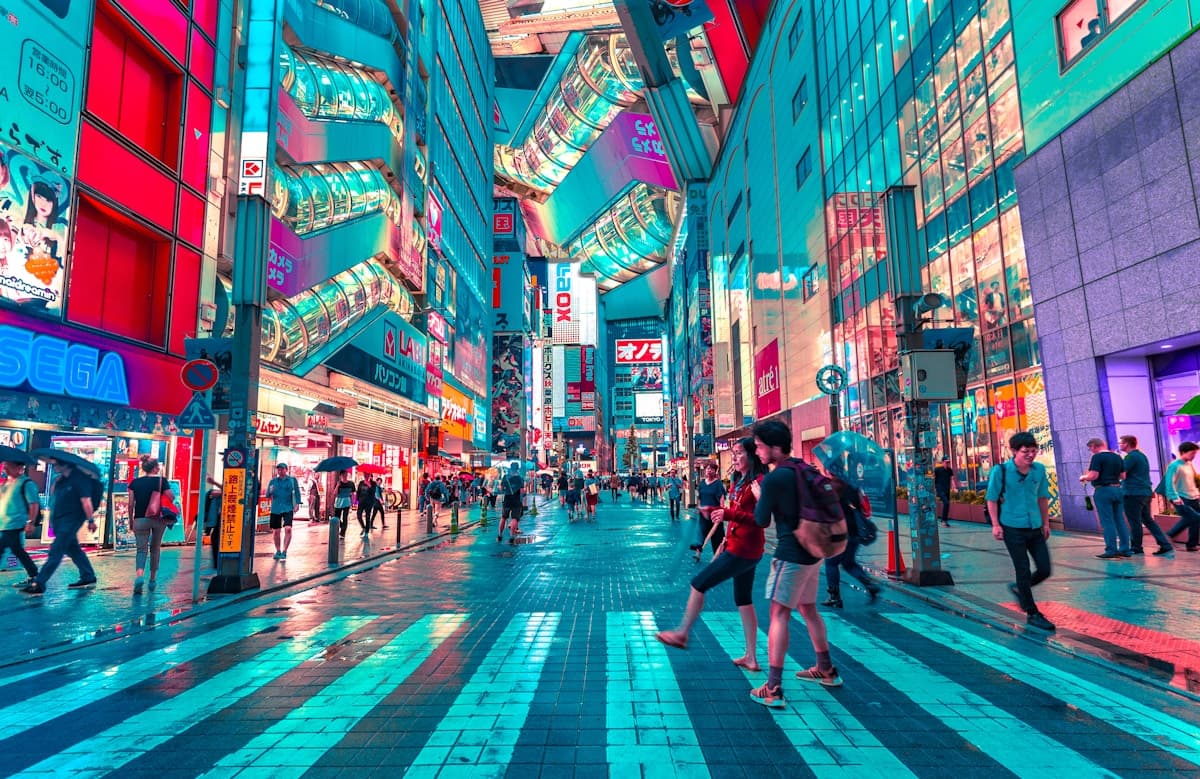
Tokyo
Where tradition and restless energy move side by side.
When does using a coin locker make the day easier — and when should you carry bags or forward luggage instead?
You check out of the hotel at ten in the morning. The room is gone, but the afternoon is not. Kyoto is still ahead — temples, a market street, lunch somewhere you have not chosen yet. The suitcase does not need to attend any of that. It only needs a safe place until you return to the station at six.
That gap is where coin lockers earn their place. Not as a feature to admire. As infrastructure that buys back a few hours of walking without wheels, straps, and elevator math.
The useful question is not where every locker bank sits in every station. It is whether storing the bag for part of one day makes this particular itinerary simpler — or whether carrying it or sending it ahead is the clearer choice.
Coin lockers in Japan are self-service storage compartments at most major train stations and many tourist facilities. According to JNTO, they are for temporarily storing luggage for hours to a few days within one city or travel day — not for sending bags to your next hotel.
Typical fees run roughly ¥300–600 depending on size. Many modern lockers accept transport IC cards such as Suica or PASMO; older units may require coins, often ¥100 pieces. Payment is usually upfront when you lock the door.
Lockers fill quickly at busy locations, especially before peak sightseeing hours. Large compartments for full suitcases are scarcer than small ones.
For moving a bag to another city overnight, use luggage forwarding, not a station locker. For a same-city pause — check-in gap, afternoon plans, day trip from a hub — a locker is often the lighter option.
A locker helps when you will return to the same storage point before the rental period ends, and when carrying the bag would shrink the useful part of the day.
It is often useful when:
You arrive before hotel check-in and want to walk without dragging a suitcase through the neighborhood. You check out in the morning but your train or flight is not until evening. You take a day trip from a hub station — store the main bag, explore, collect it on the way back. You want an unscheduled afternoon — shopping, a museum, lunch — without negotiating stairs and narrow shop aisles with wheels. You are staying near a major station hub such as Tokyo, Kyoto, Osaka, or Hiroshima and the day's rhythm starts and ends at that station — see Where to Stay in Tokyo, Where to Stay in Kyoto, Where to Stay in Osaka, and Where to Stay in Hiroshima for how base choice shapes these gaps.
It may be simpler to carry the bag when:
The load is a small day pack you manage comfortably all day. The route is short and direct with few stairs. You need constant access to everything in the bag. Every locker bank at your station is full and you cannot wait or search elsewhere.
It may be simpler to forward luggage when:
The suitcase should meet you in another city tomorrow, not at the same locker tonight. You will not return to the station where you stored the bag. Your next accommodation cannot hold bags and forwarding timing fits your checkout day.
None of these is automatically better. Match the tool to whether you are pausing in one city or moving the bag across cities.
Match how you handle bags to what the travel day is actually doing.
Use a coin locker
You need a few hours or one day without bags in the same city or station area.
Works well for check-in gaps, afternoon sightseeing, or a day trip from a hub station — when you will return to the same locker.
Use luggage forwarding
The suitcase should meet you at the next hotel or city, not at a station locker.
Better for inter-city moves, ryokan nights, or multi-leg transfers when you will not return to the same storage point.
Carry the bag with you
The load is manageable and you need everything with you all day.
Often cleaner for short direct routes, small bags, or when lockers are full and forwarding timing does not fit.
None of these is automatically better. The fit depends on your route, timing, and whether you will return to the same place.
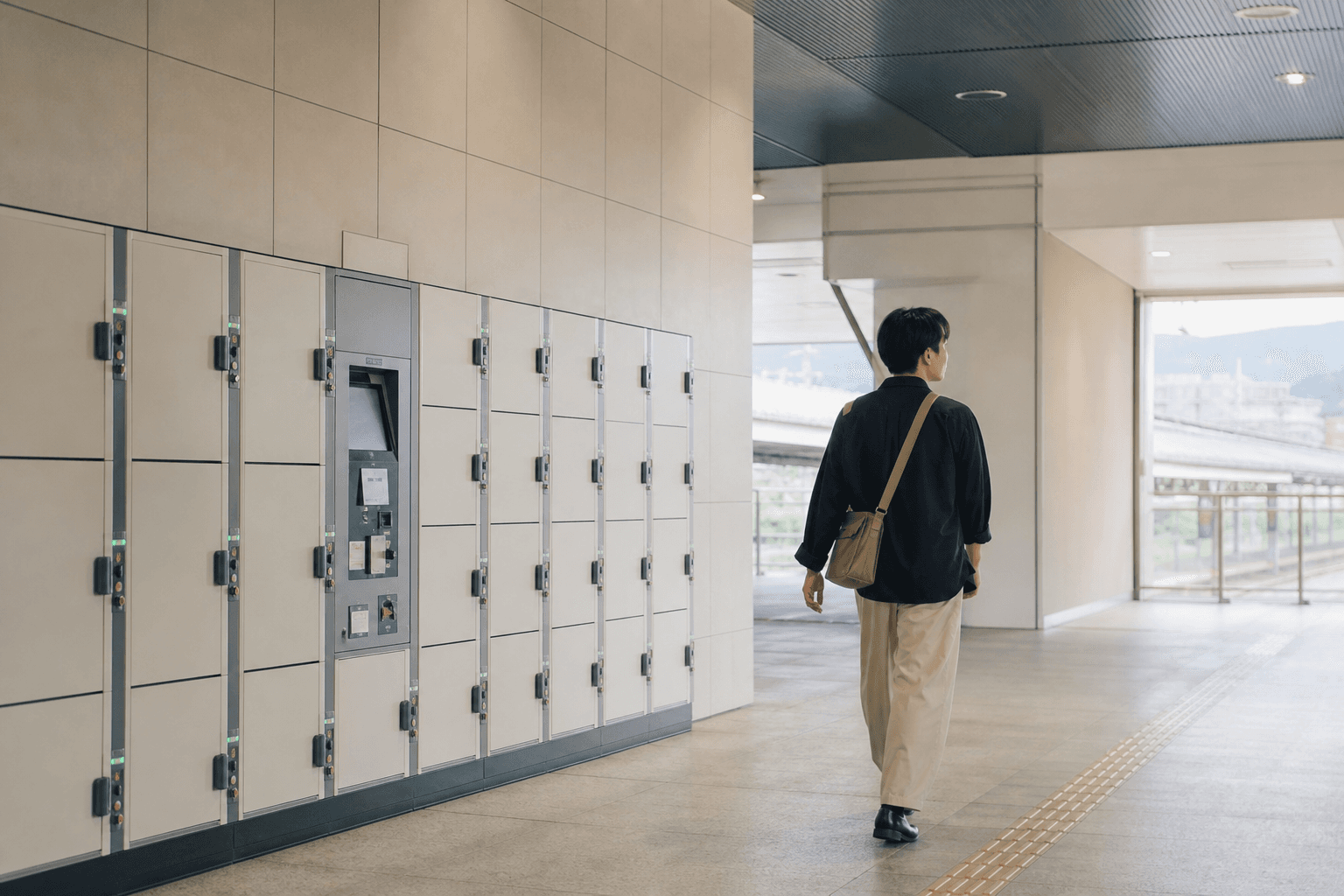
A coin locker — コインロッカー in Japanese — is a self-service compartment you rent by the hour or day. You place your bag inside, pay, lock the door, and retrieve the bag later using a key, IC card, or retrieval code depending on the model.
According to JNTO, lockers appear at most major train stations and many tourist facilities nationwide. They solve one problem: freeing your hands for a defined period within roughly the same location.
They do not:
Deliver bags to hotels or airports. Replace airline check-in. Guarantee space at every station at every hour.
Multiple locker types coexist. You may see older key-and-coin units, IC-card touchscreens, or newer cashless terminals. The sequence is similar even when the payment screen differs.
Think in categories, not station lists.
Major JR and private railway stations — often near ticket gates, concourses, or main exits. Official station maps at many JR East hubs mark locker locations without requiring you to memorize a floor plan.
Busy interchange stations in Tokyo, Osaka, and Kyoto — high convenience, high competition for empty compartments.
Tourist facilities — museums, observation decks, and some commercial complexes — where JNTO notes locker service is common.
Smaller provincial stations may have fewer banks and fewer large compartments. Do not assume a suitcase-sized box exists at every stop.
Availability is the constraint. JNTO warns that lockers at busy locations fill quickly. Treat finding an empty compartment as part of the plan, not a guarantee.
Locker sizes are labeled differently by operator, but the practical categories repeat nationwide.
Small — day bag, backpack, or single shoulder bag. Usually the most available tier. Medium — carry-on-sized roller or large backpack. Common at major hubs. Large — full suitcase. Scarcer, especially during peak travel and event weekends. Extra-large — oversized luggage. Rare; do not count on finding one at the last minute.
JR East Smart Logistics publishes approximate dimensions for Multi-Ecube tiers from SS through LL — width, depth, and height vary by bank — but travelers usually decide by fit, not by centimeters. Open the door, test the bag, and choose the smallest compartment that closes cleanly.
If your bag barely fits, take the larger size. Forcing a zipper against the door frame risks damage and delays the next traveler.
Large compartments empty first at busy times. Arriving earlier in the day improves your odds.
Details vary by model, but the normal experience follows one sequence.
1. Find an empty compartment — often indicated by an open door, green light, or vacant indicator on a screen. 2. Place your luggage inside and confirm the size before you commit. 3. Close the door and pay upfront — with coins, IC card tap, QR code, or credit card depending on the unit. 4. Lock the compartment — key turn, IC confirmation, or on-screen lock command. 5. Keep whatever unlocks the locker: physical key, IC card receipt, or printed retrieval ticket. 6. Return within the rental period, unlock with the same credential, remove bags, and confirm the door is secured behind you.
If anything fails at the screen, step aside and try another compartment or ask station staff. Do not leave bags unattended outside the locker while troubleshooting.
The normal locker experience follows one sequence — details vary by model.
Choose an available locker
Find an empty compartment — often shown by an open door, green light, or vacant indicator on the screen.
Place the luggage inside
Put bags in the compartment and confirm the size fits before you commit to payment.
Lock it using the available method
Pay upfront, then lock — with a key turn, IC card tap, or on-screen confirmation.
Keep the key, receipt, IC card, or PIN safely
Take the physical key, IC card receipt, or printed retrieval ticket. You need it to reopen the locker.
Return before the storage limit
Come back within the rental period — usually the same day or up to a few days depending on the locker operator.
Unlock and collect the luggage
Use the same key, IC card, or retrieval code. Remove bags and confirm the door is secured behind you.
Screens, payment types, and time limits vary by locker model and operator.
Payment depends on locker age and operator. Check the screen before you assume your preferred method works.
IC card — Suica, PASMO, ICOCA, and other nationwide IC cards can pay and unlock on many modern units. The same card must tap again at retrieval. Take the receipt. You cannot split payment between IC balance and coins on one transaction at IC lockers.
Coins — older key-type lockers often accept coins only, frequently ¥100 coins. Keep change available if you might encounter key lockers — see Cash or Card in Japan for how much yen to carry and where to withdraw coins at a convenience store ATM.
QR code and credit card — newer cashless terminals, including JR East Multi-Ecube banks, accept contactless payment without coins. Some issue a printed retrieval ticket you must keep.
Physical key — coin payment, door closes, key turns. Carry the key until return.
Fees are paid upfront when you lock the compartment. JNTO cites roughly ¥300–600 as a typical nationwide range by size; the screen shows the actual amount before you confirm.
For IC-card setup and recharge rhythm, see IC Cards in Japan.
Full banks are normal at peak hours, not a personal failure of planning.
Try another locker area in the same station — concourse, alternate exit, or a different floor if signage points you there.
Try a nearby station on your line if the day allows the detour.
Carry the bag if the load is manageable for the hours remaining.
Split essentials into a day pack and store only what fits a small compartment.
Rethink forwarding if the real problem is an inter-city move tomorrow, not an afternoon pause today.
During holiday peaks and busy sightseeing weeks, demand rises across major hubs. Building an extra margin — earlier arrival, lighter day pack ready — reduces friction when the first bank you see is full.
This article does not map individual locker locations. Station staff can often direct you to another bank in the same building when one is full.
These tools solve different logistics problems. Confusing them creates the wrong kind of travel day.
Coin locker — hours to a few days at the same station or facility; you return to retrieve the bag; best for check-in gaps, afternoon exploration, and hub day trips within one city.
Luggage forwarding — overnight or multi-day delivery between staffed addresses; the bag travels while you do; best for inter-city transfers, ryokan nights, and days when you will not come back to the same locker.
Duration: locker rental is short-term storage you collect yourself. Forwarding is door-to-door transport that may take at least one day between hotels.
Distance: lockers keep bags within walking distance of where you deposited them. Forwarding moves bags across cities while you travel light.
Retrieval: locker — you come back with your key, IC card, or ticket. Forwarding — the bag meets you at a hotel desk, airport counter, or sales office.
When the next morning's city is different from today's, forwarding is usually the cleaner tool. When the afternoon belongs to the same city and the same station, a locker is often enough.
For hotel-to-hotel workflow, timing, and overnight-bag planning, see How to Use Luggage Forwarding in Japan. This article stops at the locker door.
Can I leave a bag overnight?
Many locker operators allow multi-day paid storage within published limits. On JR East Multi-Ecube systems, the rental day changes at 2:00 AM and maximum continuous use is three days. Overnight use is paid storage, not a substitute for a hotel room. Rules at other operators may differ.
Will I be charged again if I collect after midnight?
On systems that count days from 2:00 AM, collecting after that boundary often adds another day's fee. Read the screen at deposit time.
Can I use the same IC card I use for trains?
Yes on many modern lockers — Suica, PASMO, ICOCA, and other IC cards in the nationwide network. You need the same card at retrieval.
What if I lose the key or retrieval ticket?
Contact station staff or the operator listed on the locker bank immediately. Recovery procedures vary by model. Photograph the locker number and keep receipts precisely to avoid this situation.
How long can I store a bag?
JR East Multi-Ecube allows up to three consecutive days; after that, contents may be moved to secondary storage for a limited period before disposal under operator terms. Do not treat three days as universal at every non-JR locker.
Are all items allowed?
Operators restrict hazardous, perishable, and valuable items. When unsure, ask staff rather than guessing.
Should I use a locker before boarding the Shinkansen?
Only if you will return to that station before your train. For boarding with bags, see How to Use the Shinkansen in Japan. For sending bags ahead instead, see luggage forwarding.
Photograph the locker number, bank location, and any receipt immediately after deposit.
Keep passport, wallet, phone, and medications in a day pack — never inside the stored suitcase. See What to Pack for Japan for how day-pack essentials fit a broader packing strategy.
Carry ¥100 coins as backup even if you plan to pay by IC card — key lockers still exist.
Charge your IC card before a day that may include locker payment and train taps.
Choose the smallest compartment that fits cleanly; large tiers fill first at busy stations.
Build fifteen extra minutes into hub-station days for finding an empty compartment.
If checkout and departure fall on the same day, decide locker versus forwarding the night before — not at the hotel desk under time pressure.
Withdraw coins or cash at a konbini if the locker screen rejects cards — see Convenience Stores in Japan.
For inter-city legs with heavy bags, compare a locker pause with forwarding before you assume either is automatic.
Leave unstructured afternoon time when you can — stored luggage makes that easier, as Planning Less, Seeing More suggests for itinerary pacing generally.
A locker does not remove luggage from the trip. It moves luggage out of the hours when luggage adds the least value — the walk between check-out and check-in, the museum before the train, the market before dinner.
Residents use lockers for the same reason travelers do: a few hours when hands should be free. The habit is infrastructural, not scenic.
When the bag waits in a compartment, the day narrows to distance you can cover on foot, stairs you will take without calculation, and stops you add because they fit the hour — not because wheels allow them.
That is the point. Not admiration for storage technology. A quieter afternoon because the suitcase is not attending.
Identify which travel days have a check-in or check-out gap that a locker could solve.
Ensure your IC card is loaded or you have coins for key-type units — see IC Cards in Japan and Cash or Card in Japan.
Pack a small day pack with essentials before you close the locker compartment.
If tomorrow's city differs from today's, compare locker use against luggage forwarding before checkout.
For hub-station stays, read Where to Stay in Tokyo, Where to Stay in Kyoto, Where to Stay in Osaka, or Where to Stay in Hiroshima if your base affects how often you pass the same locker bank.
Allow extra time at major stations during peak travel periods.
Know how you will reach your Shinkansen platform after collecting the bag — the locker stop and the train gate are separate steps.
Coin lockers in Japan are worth using when they return a specific part of the day — the hours between checkout and check-in, the afternoon before an evening train, the walk you would skip if the suitcase came along.
They are not worth forcing into every itinerary. Carrying a small bag through a direct route can be simpler than hunting for an empty large compartment. Forwarding can be cleaner when tomorrow's hotel is in another city.
The better travel day is not the one that stores the most luggage. It is the one where each heavy hour is handled deliberately — and the rest of your attention stays on where you are walking, not on what you are dragging.
Continue exploring this way of seeing Japan.
Where tradition and restless energy move side by side.
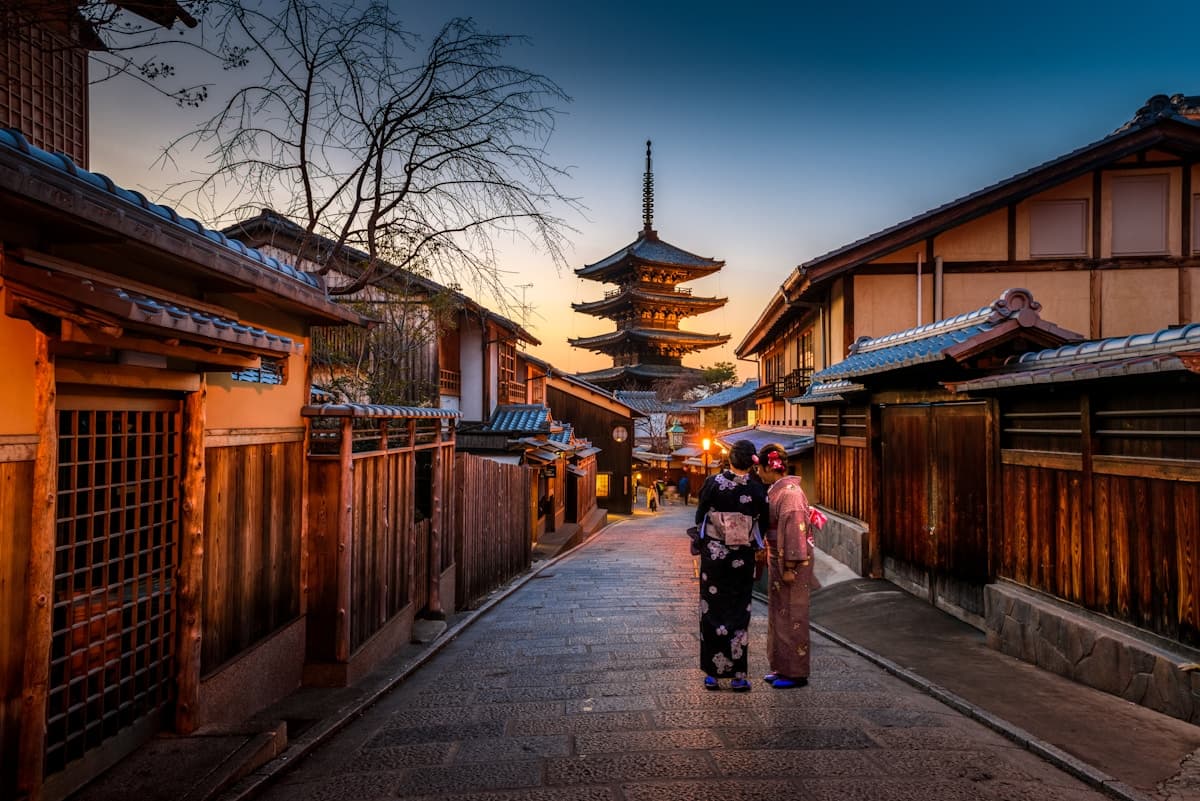
Where tradition still shapes everyday life.
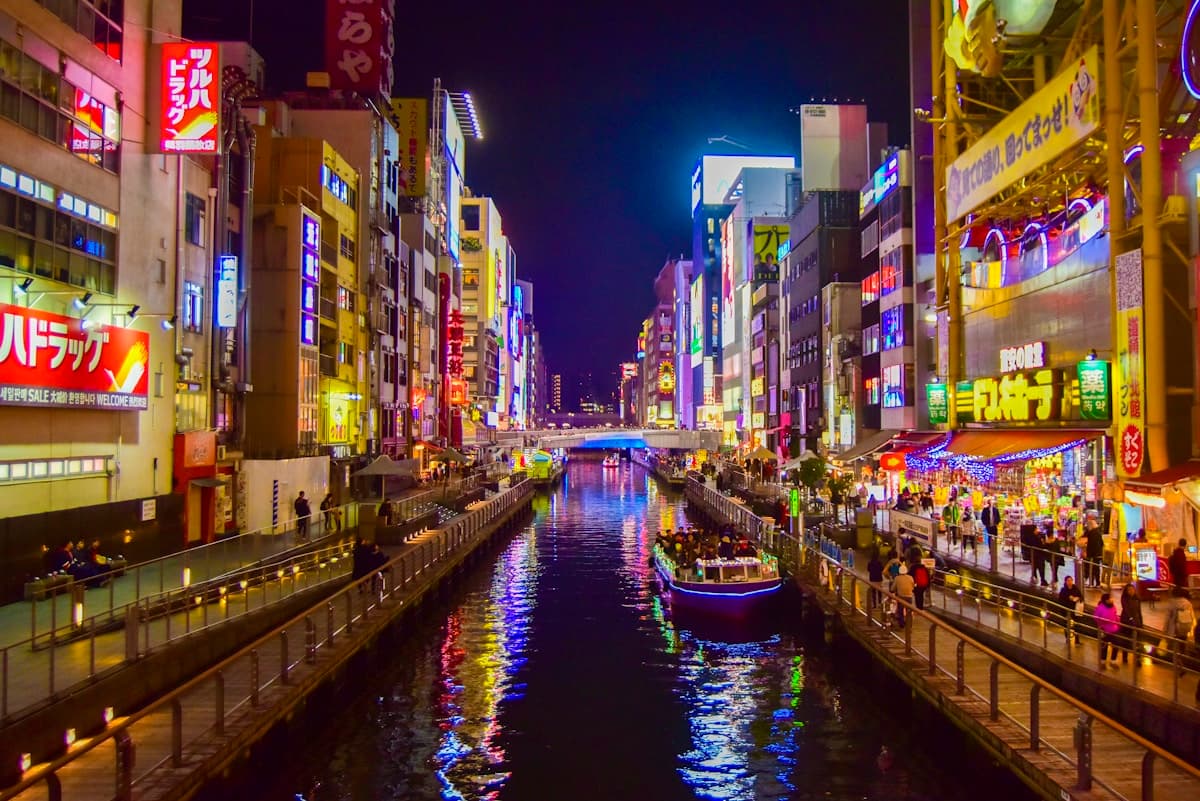
Where openness, humor, and generosity shape everyday life.