Where to Stay in Fukuoka: Choosing the Area That Fits Your Trip
What kind of city experience do you want in Fukuoka — and which area matches the rhythm you want at the hotel door?
- Category
- Travel
- Central Question
- What kind of city experience do you want in Fukuoka — and which area matches the rhythm you want at the hotel door?
Which Fukuoka feels like your trip?
Choose the atmosphere that feels right to you before reading further.
Hakata Station
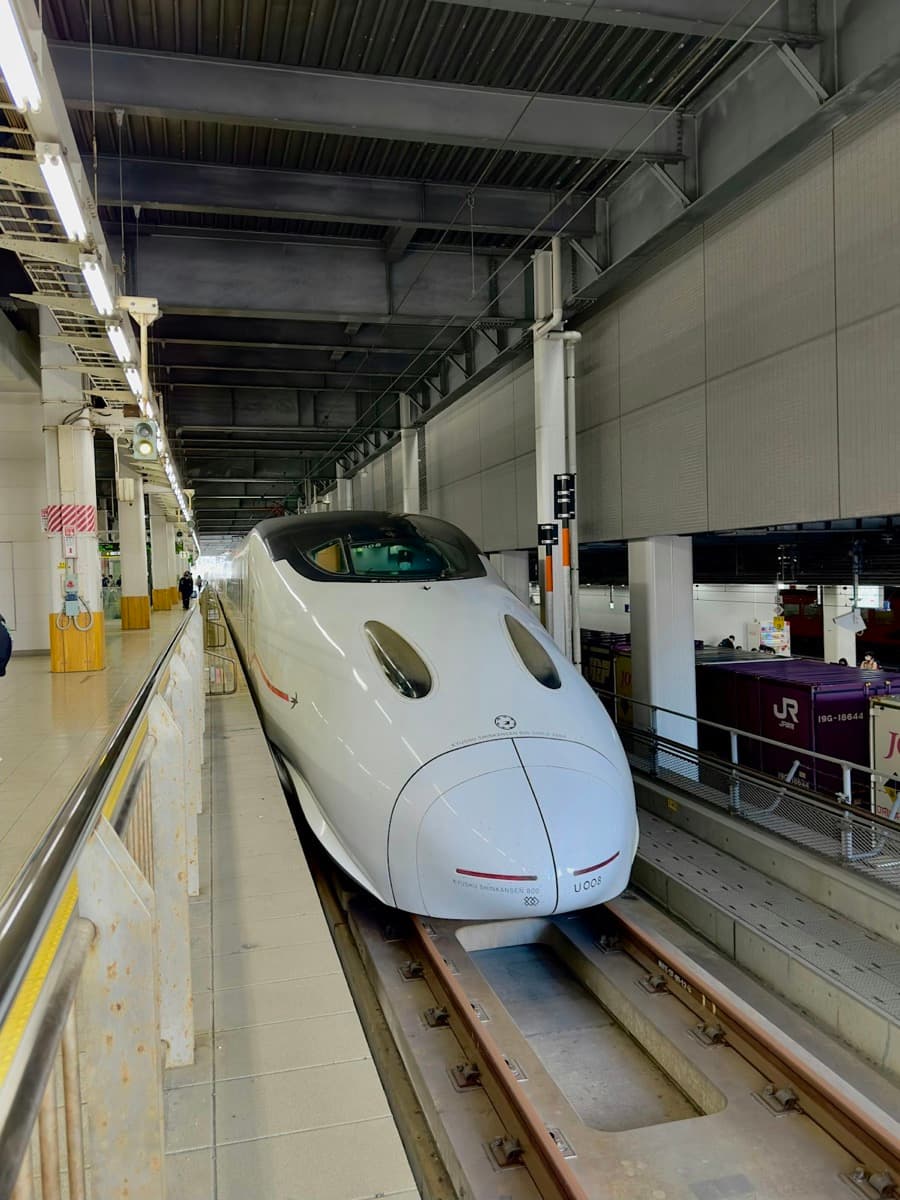
Rail-and-airport hub energy — Shinkansen concourse, airport subway, and Kyushu gateway mornings.
- Shinkansen hub
- Airport subway
- Business hotel
Tenjin
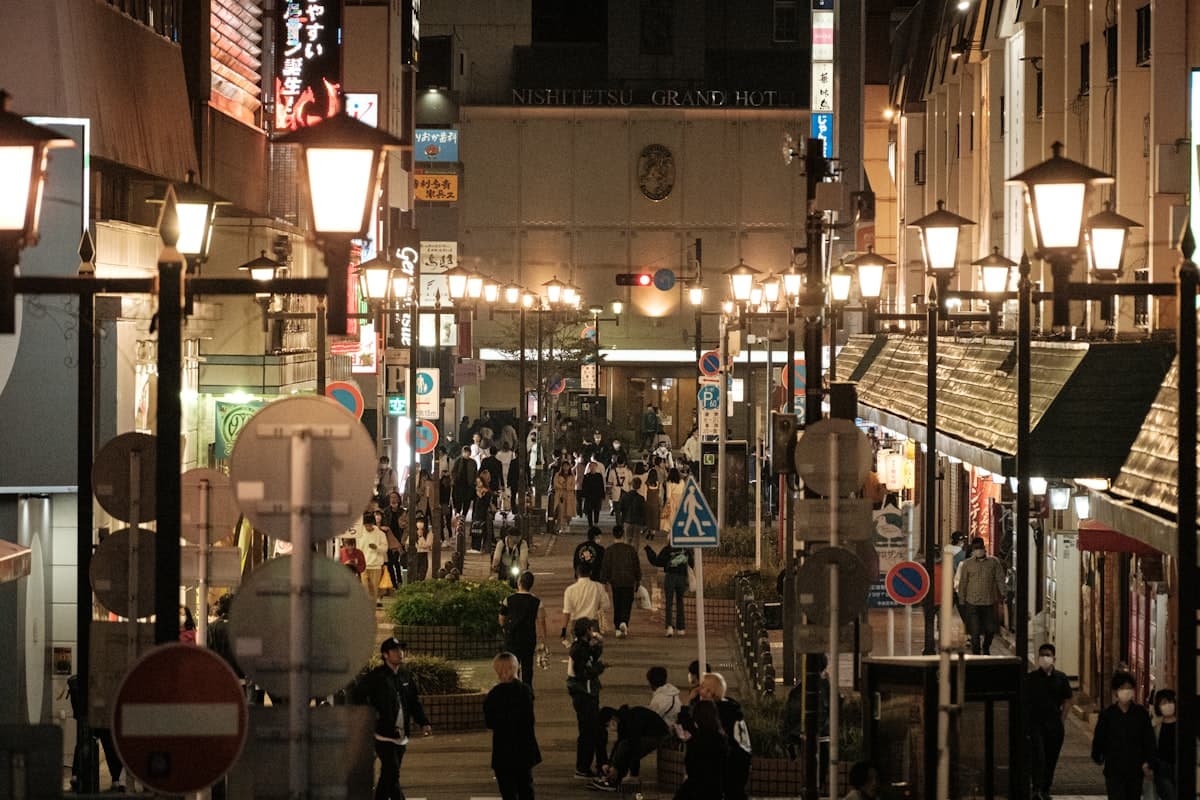
Downtown shopping spine — department stores, covered sidewalks, and ordinary city meal rhythm.
- Downtown core
- Department stores
- Day trips
Nakasu
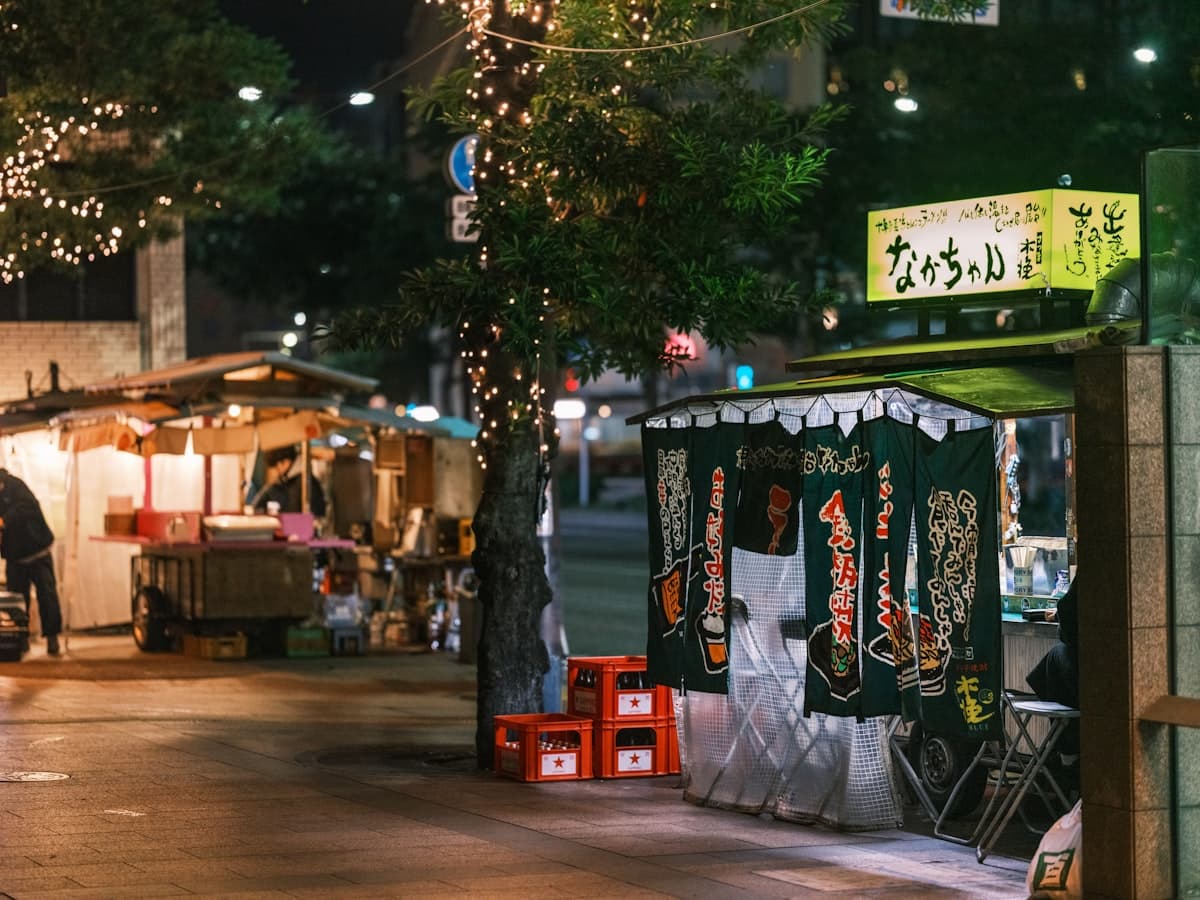
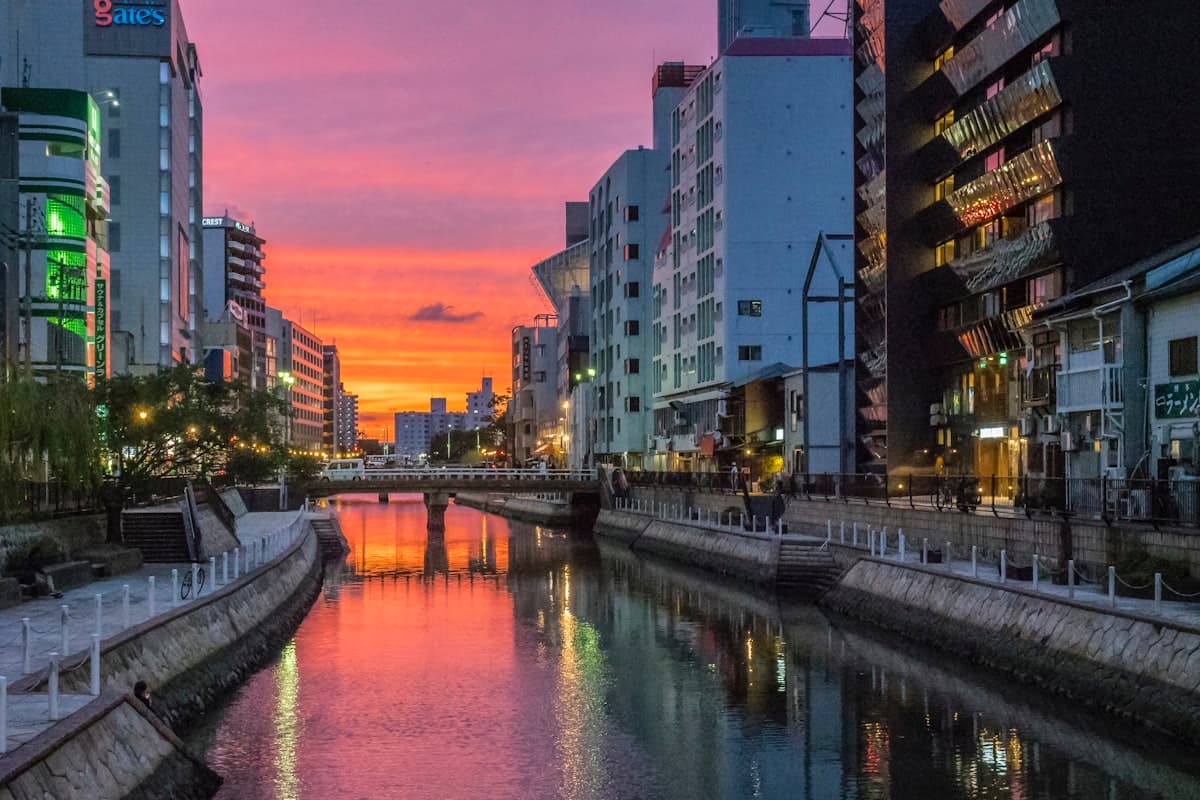
Yatai-and-river evenings — Naka River lights, stall rows, and counter-dining energy after dark.
- Yatai stalls
- River nightlife
- Food-first
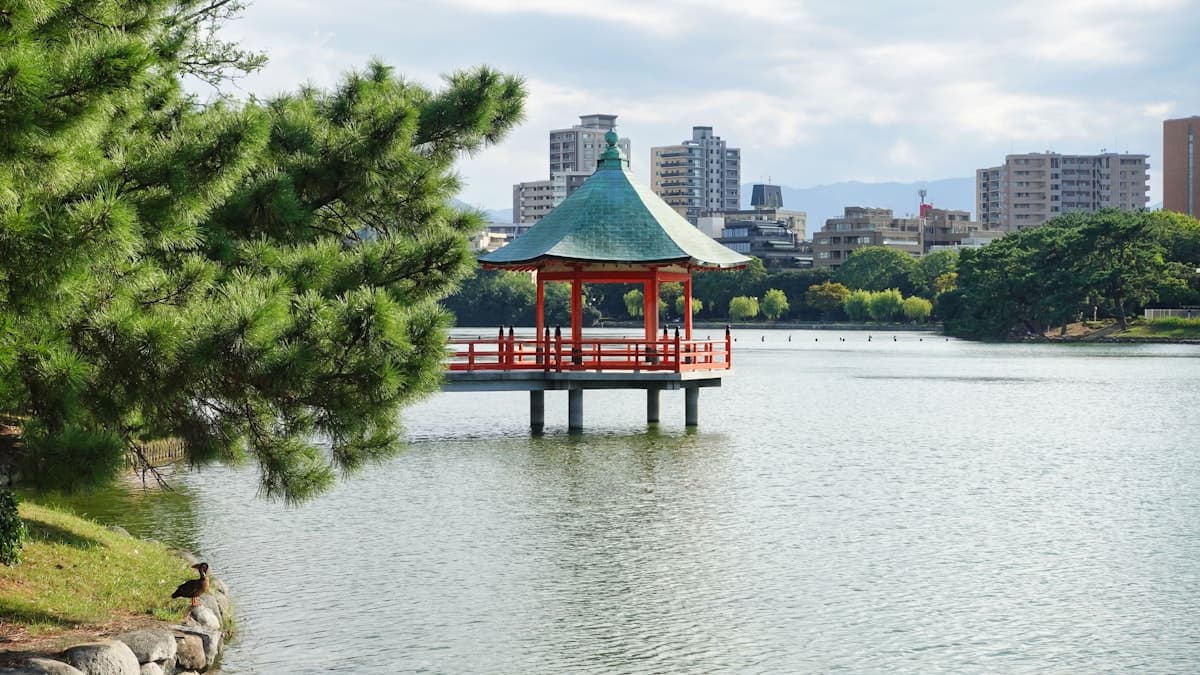
Ohori Park
Park-side calm — pond loop paths, museum edges, and quiet residential mornings west of downtown.
- Park loop
- Museum calm
- Slow mornings
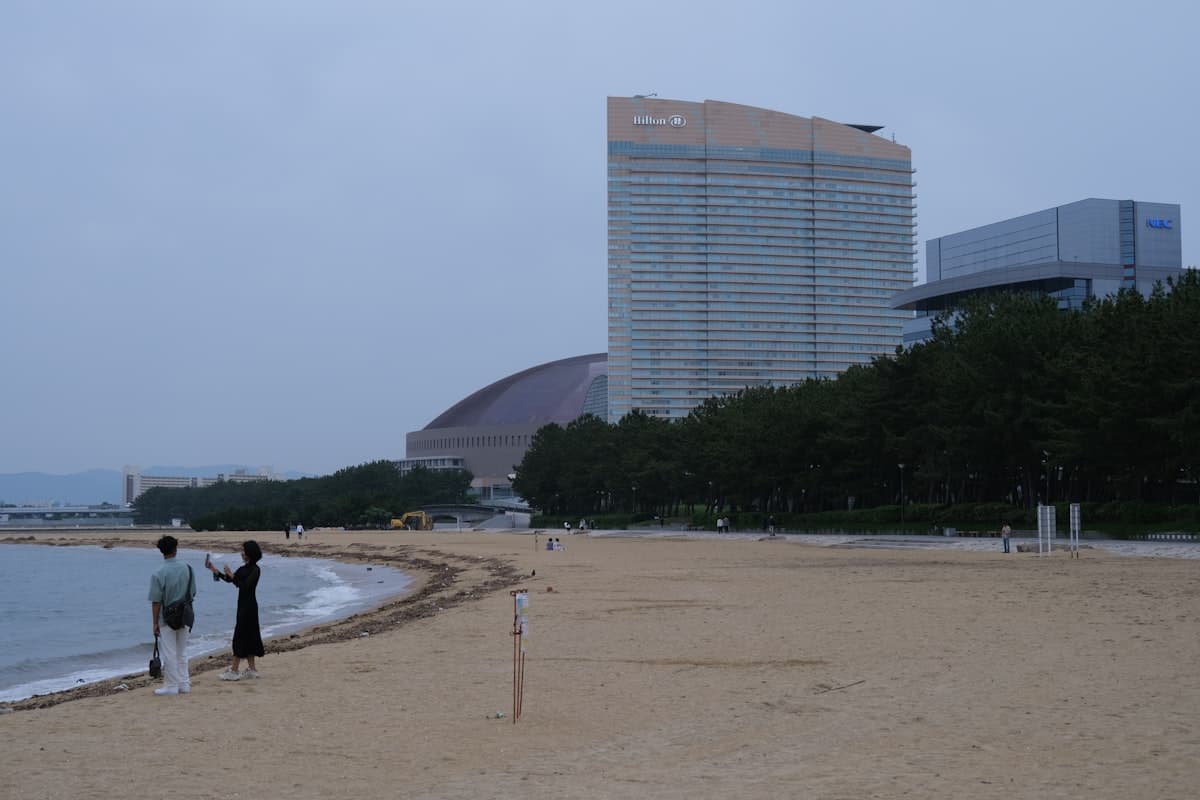
Momochi
Bay-side leisure — seaside promenade, open sky, and waterfront mornings away from stall core.
- Bay promenade
- Beach walk
- Family pace
Hakata Station
Rail-and-airport hub energy — Shinkansen concourse, airport subway, and Kyushu gateway mornings.
- Shinkansen hub
- Airport subway
- Business hotel
Tenjin
Downtown shopping spine — department stores, covered sidewalks, and ordinary city meal rhythm.
- Downtown core
- Department stores
- Day trips
Nakasu
Yatai-and-river evenings — Naka River lights, stall rows, and counter-dining energy after dark.
- Yatai stalls
- River nightlife
- Food-first
Ohori Park
Park-side calm — pond loop paths, museum edges, and quiet residential mornings west of downtown.
- Park loop
- Museum calm
- Slow mornings
Momochi
Bay-side leisure — seaside promenade, open sky, and waterfront mornings away from stall core.
- Bay promenade
- Beach walk
- Family pace
Image credits
- Hakata Station — Unsplash (PcF8ehQjPRk) by Bala (@bala) — Unsplash License
- Tenjin — Unsplash (3IljzOXD_2Q) by Nichika Sakurai (@nichiyoshi) — Unsplash License
- Nakasu — Unsplash (Si4k9aNcr1c) by Al Schim (@alschim29) — Unsplash License
- Ohori Park — Unsplash (L_GSQ5N8IU0) by Winged Jedi (@wingedjedi) — Unsplash License
- Momochi — Unsplash (7ACFvUlUHd8) by Luo Jin Hong (@logichom) — Unsplash License
You open a map and drop three hotel pins. All are in Fukuoka. All look plausible. One sits above a Shinkansen departure board at Hakata where airport-line commuters and westbound bullet trains share the same morning concourse. One rests in a Tenjin lane where department-store food halls and covered arcade flow define an ordinary city lunch hour. One anchors a Naka River walk where yatai stalls light up at dusk and counter stools fill from the river path inward.
The question is not which pin wins a ranking. It is which daily pattern fits the trip you are actually building — the station you will use most mornings, the evening culture you want before sleep, whether Fukuoka is a Kyushu gateway node or a self-contained city stay, and whether soft distances between neighborhoods should fool you into treating them as interchangeable at night.
Fukuoka's first fork is not north versus south sprawl. It is city experience type — rail-and-airport hub, downtown shopping spine, yatai-and-river evenings, park-and-museum calm, or bay-side leisure — knowing Hakata, Tenjin, Nakasu, Ohori Park, and Momochi sit within a short subway ride of one another on the Airport Line. The same decision logic as Where to Stay in Tokyo, Where to Stay in Kyoto, Where to Stay in Osaka, Where to Stay in Hiroshima, and Where to Stay in Hakone, applied to a compact Kyushu gateway city where rhythm beats mileage.
The Short Answer
There is no single best area for every Fukuoka trip. Separate accommodation type — business hotel dominant in the city core — from neighborhood within the compact municipality. Most first-timers sleep in one of five overlapping pockets; soft subway distances do not make them interchangeable at night.
Start with the city-experience fork: Do you want Shinkansen-and-airport hub efficiency at Hakata, downtown shopping-and-meals rhythm at Tenjin, yatai-and-river evenings at Nakasu, park-and-museum calm at Ohori Park, or waterfront leisure at Momochi? Then ask whether Fukuoka is a Kyushu rail node — Hakata-forwarding and early departures — or a city-only stay where evening culture matters more than concourse proximity.
Accommodation type is a separate decision. Ryokan vs Hotel in Japan covers the rhythm of the stay itself — hosted evening versus flexible checkout. Fukuoka city is hotel-heavy; ryokan nights belong more often in onsen side trips than in the urban core. This article covers where that stay should sit geographically.
Specific hotel recommendations belong elsewhere. The decision here is area — and whether Momochi waterfront or Nakasu stall culture matches the evenings you are actually building — not which property ranks highest on a booking site.
What Kind of City Experience Do You Want in Fukuoka?
Before filtering hotels, answer four sub-questions that map to Fukuoka's overlapping centers — not a single winner, but a clearer daily rhythm.
Hub or downtown? Hakata Station concentrates Shinkansen, airport subway, bus terminal, and luggage-forwarding infrastructure. Tenjin is the readable downtown name on most booking maps — department stores, Nishitetsu day-trip departures, and walkable Nakasu evenings one river crossing away. Neither is wrong; they trade concourse mornings for shopping-spine evenings.
Stalls or contained meals? Nakasu puts yatai-and-river energy at the hotel door — counter stools, late returns, weather-exposed evenings. Tenjin and Ohori offer depachika and neighborhood restaurants without stall noise at the window. Food-first trips often sleep in Tenjin and walk to Nakasu rather than sleeping inside the noise belt.
Quiet or waterfront? Ohori Park offers pond-loop mornings and museum blocks west of the commercial core. Momochi offers bay promenade, beach paths, and tower-area calm — isolated from yatai spontaneity despite short subway time eastward.
Kyushu node or city-only? Hakata-forward calendars — Hiroshima–Fukuoka–Kumamoto chains, late FUK arrivals, early Shinkansen departures — cluster at the station hub. Tenjin and Nakasu suit Fukuoka-focused stays where city meals and one day trip (Dazaifu from Nishitetsu Tenjin) define the trip without daily concourse returns.
None of these forks delivers a prescription. A base that simplifies bullet-train mornings may add a deliberate leg to yatai nights, and the reverse is equally true. Match experience type first; hotel filters second.
Which Area Fits Your Fukuoka Trip?
Five common bases cover many first-time and return itineraries. None is universally better. Each trades one kind of convenience for another.
Stay in Hakata Station when Shinkansen legs, FUK airport subway arrivals, bus terminal connections, or Kyushu loop starts shape your calendar — and you accept a short leg to Tenjin or Nakasu for headline evenings.
Stay in Tenjin when downtown shopping, department-store meals, and Nishitetsu day trips should sit on a recognizable city-center name — accepting one subway stop to Hakata for bullet-train mornings.
Stay in Nakasu when yatai evenings, river walks, and counter-dining rhythm are the point — accepting noise, late hours, and one stop to Hakata for rail days.
Stay in Ohori Park when pond-loop mornings, museum days, and quieter sleep matter — accepting a planned eastward leg to Tenjin or Nakasu for deliberate evening meals.
Stay in Momochi when waterfront mornings, beach promenade walks, and bay-side calm define the trip — accepting weaker yatai doorstep logic and bus-or-subway legs east for city dinners.
Dazaifu, Yanagawa, and airport terminal hotels appear in dedicated sections below rather than as table defaults.
Five common base areas — each fits a different daily rhythm.
Stay in Hakata Station
Shinkansen legs, FUK airport subway access, bus terminal connections, or Kyushu loop starts shape your calendar — and you accept short legs to Tenjin or Nakasu for headline evenings.
Strong for rail-through itineraries, late arrivals, and luggage forwarding; weaker for yatai doorstep nights and downtown shopping-spine mornings without a deliberate leg.
Stay in Tenjin
Downtown shopping, department-store meals, and Nishitetsu day trips should sit on a readable city-center name — and you accept one subway stop to Hakata for bullet-train mornings.
Strong for balanced first-timer rhythm and Tenjin–Nakasu walkability; weaker for Shinkansen doorstep convenience and waterfront or park calm at the hotel door.
Stay in Nakasu
Yatai evenings, river walks, and counter-dining culture are the point — and you accept noise, late hours, and light-sleeper friction.
Strong for food-and-evening-first trips and stall culture; weaker for early temple-day pacing, families with small children, and rail-gateway mornings without one subway stop north.
Stay in Ohori Park
Pond-loop mornings, museum blocks, and quieter residential sleep matter — and you accept planned eastward legs to Tenjin or Nakasu for headline meals.
Strong for slow walkers, museum days, and repeat visitors avoiding Nakasu noise; weaker for spontaneous yatai walks and thin international-hotel pin density compared with Hakata or Tenjin.
Stay in Momochi
Waterfront mornings, beach promenade walks, PayPay Dome events, or bay-side calm define the trip — and you accept distance from yatai spontaneity.
Strong for families, waterfront-first itineraries, and modern resort tone; weaker as a default for food-first first-timers and nightly stall culture without subway east.
No area is universally better. Airport terminal hotels and day-trip towns appear in dedicated sections below.
Comparing Fukuoka Areas
Five major bases illustrate how Fukuoka areas differ in daily feel — not in quality. Use this table to compare trade-offs in parallel. Airport hotels, Dazaifu, and Itoshima appear in dedicated sections; they are access context or day-trip prose rather than omissions.
Hakata Station offers rail-and-airport hub energy. Tenjin offers downtown shopping-and-meals rhythm. Nakasu offers yatai-and-river evenings. Ohori Park offers park-and-museum calm. Momochi offers waterfront leisure and bay-side mornings.
None of these columns declares a winner. A base that simplifies Shinkansen departures may add evening legs to stall culture, and sleeping in Momochi for nightly yatai is a rhythm mismatch despite geographic proximity.
Five major bases compared by travel rhythm — not ranked.
| Criteria | Hakata Station | Tenjin | Nakasu | Ohori Park | Momochi |
|---|---|---|---|---|---|
| Atmosphere | Arrival-and-departure hub — Shinkansen boards, airport-line commuters, mall-adjacent practical evenings | Downtown ordinary — department stores, underground shopping, commute-and-errand mornings | Yatai-and-river energy — stall smoke, Naka River bridges, evening-first counter culture | Park-and-museum calm — pond loop, residential blocks, quiet returns after deliberate dinners east | Waterfront leisure — bay promenade, tower skyline distant, open-sky quieter evenings |
| Transport | JR Hakata Shinkansen; Airport Line; Hakata Bus Terminal; Nishitetsu Hakata; strongest FUK-to-room corridor | Airport Line Tenjin; Nanakuma Line Tenjin-Minami; Nishitetsu Tenjin toward Dazaifu; one stop from Hakata | Nakasu-Kawabata Station; walkable from Tenjin and Hakata across the river | Ohori-Koen and Akasaka stations; walk or one stop to Tenjin; ~10–15 min subway to Hakata | Akasaka or Nishijin plus walk or bus; not on the river-corridor Airport Line spine |
| Food | Hakata ramen cluster, Canal City and station depachika — infrastructure dining, not yatai doorstep | Department-store food halls, underground dining, side-street counters — practical pairing with Nakasu walks | Yatai stalls, motsunabe, izakaya density — food-first evenings; weather and day-of-week affect openings | Neighborhood restaurants and cafes — nearby but not theatrical; deliberate legs to Tenjin or Nakasu for headline meals | Waterfront and mall dining — weaker stall culture; city meals often planned eastward |
| Nightlife | Moderate — station izakaya and mall hours; early-return practical before rail mornings | Bar-and-dining forward — arcades active later than Ohori; less concentrated than Nakasu stalls | Strongest stall-and-lane theater — social, late, counter-forward; poor fit for light sleepers | Subdued — residential quiet; yatai and bar lanes require short eastward transit | Low — promenade and hotel-bar calm; yatai require subway east ~15–20 min |
| Evenings | Practical and mall-adjacent — contained meals, not river-and-stall intimacy | Shopping-and-meal social — restaurant floors, optional Nakasu walk across the river | The point — counter stools, shared tables, last-train awareness | Quiet and local — konbini rhythm; downtown neon one or two subway stops east | Open-sky and quieter — couples and families on promenade; less counter-stool density |
| Best for | Rail-through Kyushu, late FUK arrivals, early Shinkansen departures, luggage forwarding | First-timers wanting readable downtown, Nishitetsu day trips, Tenjin–Nakasu walk pairing | Food-and-evening-first visitors, social travelers, yatai-as-itinerary trips | Slow walkers, museum-goers, light sleepers, repeat visitors wanting green buffer | Families, waterfront mornings, PayPay Dome events, calm-sleep base with planned city dinners |
Atmosphere
- Hakata Station
- Arrival-and-departure hub — Shinkansen boards, airport-line commuters, mall-adjacent practical evenings
- Tenjin
- Downtown ordinary — department stores, underground shopping, commute-and-errand mornings
- Nakasu
- Yatai-and-river energy — stall smoke, Naka River bridges, evening-first counter culture
- Ohori Park
- Park-and-museum calm — pond loop, residential blocks, quiet returns after deliberate dinners east
- Momochi
- Waterfront leisure — bay promenade, tower skyline distant, open-sky quieter evenings
Transport
- Hakata Station
- JR Hakata Shinkansen; Airport Line; Hakata Bus Terminal; Nishitetsu Hakata; strongest FUK-to-room corridor
- Tenjin
- Airport Line Tenjin; Nanakuma Line Tenjin-Minami; Nishitetsu Tenjin toward Dazaifu; one stop from Hakata
- Nakasu
- Nakasu-Kawabata Station; walkable from Tenjin and Hakata across the river
- Ohori Park
- Ohori-Koen and Akasaka stations; walk or one stop to Tenjin; ~10–15 min subway to Hakata
- Momochi
- Akasaka or Nishijin plus walk or bus; not on the river-corridor Airport Line spine
Food
- Hakata Station
- Hakata ramen cluster, Canal City and station depachika — infrastructure dining, not yatai doorstep
- Tenjin
- Department-store food halls, underground dining, side-street counters — practical pairing with Nakasu walks
- Nakasu
- Yatai stalls, motsunabe, izakaya density — food-first evenings; weather and day-of-week affect openings
- Ohori Park
- Neighborhood restaurants and cafes — nearby but not theatrical; deliberate legs to Tenjin or Nakasu for headline meals
- Momochi
- Waterfront and mall dining — weaker stall culture; city meals often planned eastward
Nightlife
- Hakata Station
- Moderate — station izakaya and mall hours; early-return practical before rail mornings
- Tenjin
- Bar-and-dining forward — arcades active later than Ohori; less concentrated than Nakasu stalls
- Nakasu
- Strongest stall-and-lane theater — social, late, counter-forward; poor fit for light sleepers
- Ohori Park
- Subdued — residential quiet; yatai and bar lanes require short eastward transit
- Momochi
- Low — promenade and hotel-bar calm; yatai require subway east ~15–20 min
Evenings
- Hakata Station
- Practical and mall-adjacent — contained meals, not river-and-stall intimacy
- Tenjin
- Shopping-and-meal social — restaurant floors, optional Nakasu walk across the river
- Nakasu
- The point — counter stools, shared tables, last-train awareness
- Ohori Park
- Quiet and local — konbini rhythm; downtown neon one or two subway stops east
- Momochi
- Open-sky and quieter — couples and families on promenade; less counter-stool density
Best for
- Hakata Station
- Rail-through Kyushu, late FUK arrivals, early Shinkansen departures, luggage forwarding
- Tenjin
- First-timers wanting readable downtown, Nishitetsu day trips, Tenjin–Nakasu walk pairing
- Nakasu
- Food-and-evening-first visitors, social travelers, yatai-as-itinerary trips
- Ohori Park
- Slow walkers, museum-goers, light sleepers, repeat visitors wanting green buffer
- Momochi
- Families, waterfront mornings, PayPay Dome events, calm-sleep base with planned city dinners
Airport terminal hotels and day-trip towns are discussed in dedicated sections. Match any base to your actual evening culture, not to OTA map labels alone.
Hakata Station
Hakata Station is Kyushu's front door — Sanyo and Kyushu Shinkansen terminus, Airport Line hub two stops from Fukuoka Airport domestic terminal, and cluster point for Nishitetsu, regional buses, and JR Kyushu conventional lines toward southern Kyushu loops.
Why stay here: Rail-first calendars align naturally. Late FUK arrivals shorten to a known hub name on the booking map. Early westbound or eastbound Shinkansen departures, Miyajimaguchi-style day-trip thinking on the Sanyo corridor, and luggage forwarding in Japan services cluster at concourse scale. Canal City and Hakata City food halls offer contained arrival-day meals without committing to yatai weather first night. How to Use the Shinkansen in Japan and Is the Japan Rail Pass Worth It? readers entering or exiting Kyushu often touch Hakata first — station-forward logic matches the geography.
Why not stay here: Evenings feel practical rather than theatrical — concourse commerce, not river-and-stall intimacy. Yatai and Tenjin downtown require a deliberate leg — one subway stop or a fifteen-minute walk south across the Naka River, manageable but not walk-out spontaneity for every trip style. Station-scale complexity — multiple exits, underground malls, bus terminal levels — rewards one verified pin on a map. Thin neighborhood character at the hotel door compared with Nakasu evenings or Ohori pond calm.
Best for: Rail-through itineraries linking Hiroshima, Kumamoto, Kagoshima, or Tokyo/Osaka bookends; late airport arrivals wanting a short subway ride from FUK; Kyushu gateway travelers treating Fukuoka as a two-to-three-night node before southern legs; travelers who eat well then sleep before a morning bullet train or airport run.
Potential drawbacks: Yatai and Tenjin dining are not doorstep experiences. Booking "central Fukuoka" may land here when you wanted downtown shopping rhythm or stall nights. Momochi and Ohori require westward subway legs — still short, but a different emotional register than sleeping beside the pond or the bay.
Tenjin
Tenjin is Fukuoka's default downtown label on booking sites — department stores, Tenjin Chikagai underground shopping, bank-and-retail grid, and the ordinary city meals infrastructure many first-timers want without committing to yatai stool etiquette on night one.
Why stay here: One recognizable city-center name with predictable meal geography. Airport Line and Nanakuma Line intersect at Tenjin and Tenjin-Minami. Nishitetsu Fukuoka (Tenjin) departs toward Dazaifu and southern Fukuoka prefecture without returning to Hakata — a subtle day-trip friction difference. Nakasu sits across the river in roughly ten to fifteen minutes on foot — strong pattern for downtown sleep and stall nights without sleeping in noise. Japanese Restaurants Explained readers benefit from contained depachika and underground dining before exploring counter culture in Nakasu.
Why not stay here: Shinkansen does not stop at Tenjin — bullet trains leave from Hakata, one Airport Line stop north (~three minutes). Negligible for most trips, but matters for six a.m. Nozomi discipline. "Fukuoka city centre" pins blur Tenjin, Hakata, and Nakasu on OTAs — map verification required. Can feel generic — polished commercial downtown without Momochi's waterfront or Ohori's park calm at the hotel door.
Best for: First-time Fukuoka visitors wanting one readable downtown base; travelers pairing Tenjin–Nakasu walkability — downtown sleep, stall evenings on foot; Nishitetsu day-trip anchors (Dazaifu) from a central base; balanced rhythm when yatai matters but sleep location should stay quieter than Nakasu.
Potential drawbacks: Not a rail-gateway base for daily Shinkansen mornings. Not doorstep yatai — stall culture requires a deliberate river crossing. Booking-label confusion with Hakata and Nakasu when filters say "city center" without map literacy.
Nakasu
Nakasu is Fukuoka's most distinctive stay character — yatai heartland along the Naka River, narrow lanes, open-air stall smoke, and counter-stool evenings that many international readers cite as the reason to choose Fukuoka at all.
Why stay here: Food-and-evening-first trips align naturally — eating IS the itinerary. Nakasu-Kawabata Station sits one stop from Hakata and one from Tenjin; the district is also walkable from both. Social travelers comfortable with counter seating, stool dining, and late returns inherit the city's strongest stall-and-river theater at the hotel door. Motsunabe and izakaya density spread beyond tourist packaging — editorial framing stays on travel mechanics, not food rankings. Pair stall evenings with Japanese Restaurants Explained etiquette without becoming a restaurant guide.
Why not stay here: Noise and sleep friction — river traffic, bars, and late diners are the trade-off, not a surprise. Light sleepers, families with small children, and early-morning temple-day pacing often misfit. Not a rail-gateway base — Hakata Shinkansen and airport line are one stop away, but daily friction adds up for rail-heavy calendars. Weather dependency — outdoor stalls shrink in rain and typhoon season; link When Is the Best Time to Visit Japan? without seasonal hype. Risk of over-romanticizing — stalls are small, weather-exposed, and sometimes full; backup counter plans in Tenjin or Hakata belong in the itinerary.
Best for: Short Fukuoka stays where evening culture dominates; social travelers and repeat visitors prioritizing yatai rhythm over department-store convenience; food-first itineraries accepting late returns and counter-forward evenings.
Potential drawbacks: Poor default for Shinkansen-heavy mornings unless you accept one northbound subway stop daily. Entertainment-district texture mixed with residential pockets — editorial frames lived-in city, not spectacle tourism. Every night is not guaranteed yatai — stalls are cultural infrastructure, not unlimited nightly theme park.
Ohori Park
Ohori Park offers park-and-museum calm west of the commercial core — large pond loop, jogging paths, Fukuoka Art Museum edges, and Maizuru Park castle ruins adjacent on foot. Evenings feel quiet and local; downtown neon sits one or two subway stops east.
Why stay here: Slow walkers and museum-goers benefit — pond circuits and art blocks before Tenjin crowds build. Dual subway access at Ohori-Koen (Airport Line) and Akasaka (Nanakuma Line). Light sleepers avoid Nakasu noise while staying centrally on subway time. Repeat visitors wanting green buffer rare in compact Japanese downtowns. Walk to Tenjin in roughly fifteen to twenty minutes or one subway stop — atmospherically distinct despite soft distance.
Why not stay here: Evening dining is nearby but not theatrical at the hotel door — deliberate legs to Tenjin or Nakasu for headline meals. Thinner international-hotel cluster than Hakata or Tenjin — fewer pins; verify subway stop against pond side (Ohori-Koen versus Akasaka versus west Momochi approach). Easy to undervalue on first booking — the map looks "away from center" though subway time is minimal; editorial honesty matters more than pin proximity labels.
Best for: Museum days and unhurried pond mornings; travelers who dine out then return to silence; repeat visitors and light sleepers who still want central subway access without Nakasu noise.
Potential drawbacks: Subdued evenings — yatai and bar lanes require eastward transit. Not the first-timer default when yatai and downtown shopping should define every spontaneous evening. Ohori-Koen versus Akasaka pin verification punishes careless OTA filtering.
Momochi (Seaside Momochi)
Momochi — Seaside Momochi — is Fukuoka's waterfront leisure district: Momochihama beach promenade, Fukuoka Tower skyline at a distance, Marizon harbor mood, and modern resort-hotel tone distinct from river-and-stall downtown.
Why stay here: Waterfront mornings suit beach paths, tower views, and bay breezes — a different emotional register from Tenjin shopping. Families and couples on promenade walks align naturally. PayPay Dome event nights cluster here — mention without becoming an events calendar. Calm-sleep base when city dinners are planned eastward on subway or bus. Akasaka (Nanakuma Line) or Nishijin (Airport Line) plus walk or bus access — not on the river-corridor spine, but still Fukuoka proper.
Why not stay here: Geographic peripheral within a compact city — isolated from yatai and Tenjin spontaneity despite manageable transit east. Single-purpose risk — beach-and-tower trip shape without broader Fukuoka rhythm. Weak first-timer default when Hakata ramen and yatai drew you to Kyushu unless waterfront is an explicit trip goal. Event-night exception at PayPay Dome can spike crowds and transit; non-event evenings can feel quiet to the point of empty.
Best for: Families and waterfront-first visitors; travelers attending dome events or preferring modern bay hotels; calm-sleep bases with deliberate city dinners — opposite of Nakasu, similar to Ohori but with open water.
Potential drawbacks: Yatai require subway east ~15–20 minutes — poor fit as default for stall-first trips. Bus timetable literacy for return evenings. Booking Momochi for food-first Fukuoka is a common rhythm mismatch despite short map distance to Nakasu.
Other Areas Worth Considering
Four zones appear often on maps but rarely serve as a default Fukuoka base for first-time visitors. They belong here as access context or boundary prose — not as competing defaults with the five table columns above.
Fukuoka Airport terminal hotels suit late arrival or early FUK departure only — not Fukuoka city experience. FUK-to-Hakata is roughly five minutes by subway per Airport Arrival Guide: Your First Hours in Japan; airport hotels are access infrastructure, not neighborhood choice.
Dazaifu and Yanagawa reward Nishitetsu day trips from Tenjin — temple town and canal boat respectively — not urban sleep geography. Thirty to forty-five minutes from Tenjin; separate trip shapes.
Nagasaki, Beppu, Kumamoto, and northern Kyushu towns own bases on multi-city loops — link from Hakata rail sections, not as Fukuoka neighborhood pins.
Itoshima Peninsula and western beach countryside assume car or bus dependency — day-trip prose from a city base, not urban accommodation choice.
Hakata Riverain and Gion shrine district near Nakasu suit visit-and-walk zones; hotel pins overlap Nakasu and Tenjin booking labels.
If one of these zones matches a specific need — late flight recovery, Dazaifu half-day, dome event proximity — it can earn a night outside the five primary pockets. For most itineraries, Hakata, Tenjin, Nakasu, Ohori Park, and Momochi carry the daily rhythm more cleanly.
Choosing by Trip Style
Trip style narrows the map faster than hotel filters.
Rail-through Kyushu calendars — Hiroshima, Kumamoto, Kagoshima chains, or Tokyo/Osaka bookends — often lean toward Hakata Station — accepting short legs to Tenjin or Nakasu for deliberate evening meals.
Food-first and yatai-first trips often lean toward Nakasu or Tenjin — Nakasu when stall nights define the stay, Tenjin when downtown sleep plus Nakasu walks balances noise and convenience.
Balanced first-timer rhythm — one downtown name, ordinary city meals, optional stall night — often leans toward Tenjin — accepting one subway stop to Hakata for Shinkansen mornings.
Museum calm and slow pond mornings often lean toward Ohori Park — accepting eastward dinner legs.
Family bay days, waterfront mornings, or PayPay Dome events often lean toward Momochi — accepting weaker yatai spontaneity.
Late FUK international arrivals often lean toward Hakata — airport line geography beats terminal-hotel isolation for city exploration next day.
Short two-to-three-night Fukuoka stays reward picking one rhythm, not hotel-hopping across a compact city — see Planning Less, Seeing More when stacking Fukuoka between Where to Stay in Hiroshima and Where to Stay in Osaka on a Sanyo corridor chain.
Seasonal pressure on yatai weather and typhoon windows rewards flexibility — see When Is the Best Time to Visit Japan?. Experience type should be decided before filtering by price alone.
Transport, FUK Airport, and Kyushu Access
Fukuoka rewards travelers who mark the Airport Line spine before filtering hotels — Hakata, Nakasu-Kawabata, Tenjin, and Ohori-Koen sit on one readable subway corridor from the domestic terminal.
FUK access: Fukuoka Airport domestic terminal connects to Hakata in roughly five minutes by Airport Line — among the fastest major-airport-to-room corridors in Japan. International terminal access requires a connecting leg; Airport Arrival Guide: Your First Hours in Japan covers arrival workflow; this section picks up once you choose Hakata versus Tenjin for night one.
Shinkansen geography: Bullet trains stop at Hakata on the Sanyo and Kyushu corridors — not at Tenjin. How to Use the Shinkansen in Japan covers boarding; Tenjin base adds one subway stop north to departure mornings. Unlike Osaka's Shin-Osaka split, Fukuoka's Shinkansen station IS the city hub — one stop from downtown Tenjin.
Nishitetsu from Tenjin: Dazaifu, southern Fukuoka, and regional private-rail day trips often depart Tenjin, not Hakata — base choice affects day-trip friction slightly.
Nanakuma Line: Serves Momochi approach via Akasaka and connects Tenjin-Minami westward — Momochi is not on the Airport Line river corridor.
IC cards and passes: IC Cards in Japan work on subway and many buses. Is the Japan Rail Pass Worth It? helps when JR segments dominate Kyushu loops; regional JR Kyushu products deserve separate math for southern legs.
Buses: Airport limousines, Tenjin bus center, and Momochi waterfront routes reward timetable screenshots — Taking the Bus in Japan covers category decisions without replacing neighborhood choice here.
Luggage and Arrival Days
Luggage shapes Fukuoka arrival day more than any sightseeing plan — especially when FUK subway, Hakata forwarding, or Momochi bus legs enter the same afternoon as check-in.
FUK subway arrival favors Hakata or Tenjin pins you can reach with wheels in roughly five to fifteen minutes from the domestic terminal — verify exit against hotel map before booking a Momochi pin you cannot reach comfortably after a long flight. Late arrival may favor Hakata station proximity over Ohori pond-side pins across transfer stairs.
Hakata is Kyushu's practical forwarding hub — luggage forwarding in Japan pairs naturally with multi-city Kyushu loops and early Shinkansen departures. Forward main bags to post-Fukuoka Osaka or Tokyo hotels when Nakasu or Tenjin nights punish repeated elevator-and-concourse navigation with large suitcases.
Momochi and Ohori last-night stays add bus or subway legs with bags — plan backward from tomorrow's movement. Momochi bus timetables with full luggage are poorer fit than Hakata or Tenjin locker-and-forward logic.
Airport terminal hotels suit one recovery night only — not city exploration base. First true city night belongs in Hakata, Tenjin, or beyond unless departure is dawn next day.
Checkout day follows the same logic: forward to the next city, store at Hakata coin lockers — see Using Coin Lockers in Japan — or carry only overnight essentials onto a Dazaifu day trip. Pair first-hour needs with Convenience Stores in Japan for cash, transit cards, and a charged phone before neighborhood character dominates.
Common First-Time Questions
Should I book "Fukuoka" without reading the map pin?
No. Hakata, Tenjin, Nakasu, Ohori, and Momochi all appear as "central" on OTAs; mornings and evenings differ sharply. Verify Airport Line stop and walking distance to the river, pond, or bay you actually want.
Can I stay in Momochi for yatai-first trips?
Possible but misaligned. Waterfront base sits fifteen to twenty minutes from Nakasu stall belt by subway — fine for beach days, poor default for stall culture as nightly infrastructure.
Are Hakata and Tenjin the same neighborhood?
Adjacent on the subway — one stop apart — but station-concourse energy versus shopping-downtown rhythm differ. Shinkansen and airport logic cluster at Hakata.
Should light sleepers choose Nakasu?
Usually no. Yatai and bar noise are the trade-off, not a surprise. Tenjin or Ohori may fit better when sleep quality matters.
Is the airport hotel the convenient Fukuoka base?
Rarely for city exploration. FUK-to-Hakata is ~5 minutes by subway — airport hotels suit late arrival or early departure only.
Do bullet trains stop at Tenjin?
No. Shinkansen stops at Hakata. Tenjin base adds one Airport Line stop to departure mornings.
Is Fukuoka like Osaka with a separate Shinkansen town?
No. Fukuoka's bullet-train station is the city hub; Tenjin is one stop south — not twenty minutes away like Shin-Osaka.
Should I expect Kyoto-style temple neighborhoods?
No. Fukuoka is a modern commercial city; Gion shrine and castle ruins are visits, not sleep geography.
Can I do Fukuoka as a half-day Kyushu stopover?
Tight. City meals, yatai, and one day trip want two to three nights minimum for sensible rhythm.
Do yatai run every night in all weather?
No. Outdoor stalls shrink in rain; have backup counter plans in Tenjin or Hakata. Variety across ramen, motsunabe, and depachika is normal Fukuoka.
Should I split stay across two Fukuoka neighborhoods?
Rarely rewarded. Compact city distances rarely justify hotel-hopping unless event or rail departure dictates — pick one rhythm.
Does Hiroshima's Miyajima fork apply to Fukuoka?
No island fork. City bases cover nearly all first-timer itineraries.
Where should Nishitetsu day trips start from?
Tenjin, not Hakata — Dazaifu and southern lines affect base choice slightly.
Is Canal City the same as Tenjin downtown?
No. Large mall complex sits Hakata-side — useful dining, not interchangeable with Tenjin Chikagai.
Should I book Ohori without checking which subway stop?
Verify Ohori-Koen versus Akasaka versus west Momochi approach — pond side versus bay side differ on foot.
Practical Tips
Verify OTA map pins against Airport Line stops — "city centre" labels blur Hakata, Tenjin, and Nakasu.
Mark Hakata for Shinkansen mornings and FUK arrivals; mark Tenjin for Nishitetsu day trips and downtown meals.
Keep a yatai backup plan in Tenjin or Hakata — weather and stall capacity are planning inputs, not guarantees.
Screenshot Momochi bus return times when waterfront evenings run later than hotel dinner.
Load an IC card before depending on subway Wi-Fi — see IC Cards in Japan.
List non-negotiable movements first — Nozomi departure, Dazaifu Nishitetsu train, last stall night — then choose area before hotel filters.
Forward luggage at Hakata when Kyushu multi-city loops or early Shinkansen departures cluster — hands-free travel matters on concourse mornings.
Pair seasonal plans with When Is the Best Time to Visit Japan? — typhoon and rain windows affect outdoor stalls.
Decide city experience type before booking length — the fork changes evening legs more than price sorting.
Read Japanese Restaurants Explained before first yatai night if counter etiquette is new.
Before You Go
Name what each Fukuoka day must accomplish: a Shinkansen departure, a Dazaifu half-day, a Nakasu yatai evening, an Ohori pond morning, a Momochi promenade walk, a late FUK arrival.
Mark those needs on a simple sketch — Hakata hub, Tenjin spine, Nakasu river, Ohori pond, Momochi bay. Notice which Airport Line stop repeats.
Decide city experience type — hub, downtown, yatai, park calm, waterfront — before booking length. The fork changes forwarding, evening legs, and Kyushu extensions.
Choose area before hunting specific hotels — filters hide trade-offs this article is meant to surface.
Confirm FUK arrival terminal and whether Hakata proximity matters on night one.
Read Airport Arrival Guide: Your First Hours in Japan if FUK is your international gateway.
Read How to Use the Shinkansen in Japan if the Sanyo or Kyushu corridor anchors your departures.
Sketch Kyushu extensions — Kumamoto, Nagasaki, Beppu — and whether Hakata forwarding belongs in the plan.
Leave one evening deliberately flexible for yatai weather — so the base can prove itself before the next city pulls you onward.
The right Fukuoka area is not the one with the most recommendations. It is the one whose mornings and evenings match the trip you are already building — the Shinkansen platform you can reach with luggage, the stall night you want without a subway leg, the pond loop or bay promenade you want before Tenjin crowds build, and whether Fukuoka is a Kyushu gateway node or a self-contained city stay.
Hakata Station, Tenjin, Nakasu, Ohori Park, and Momochi each offer a real daily rhythm. Each collects a different cost in evening atmosphere, rail friction, sleep quality, or waterfront isolation. None is universally correct.
Choose the area the way you would choose a subway stop on the Airport Line: not because it is famous, but because it fits what comes before and after. When the area — and the city experience type — match the way you move through Fukuoka, the hotel becomes infrastructure again — and the city becomes the point.
Ready to choose a specific place?
If you have compared Fukuoka areas and know which base fits your trip, the next step is choosing a specific place within that area.
Stay near the places you will actually spend time — the station you will use most days, the streets you want after dinner, and the walks you want before coffee. Japan Atlas will add curated area collections here when editorial vetting is complete. For now, your neighborhood decision is the planning work that matters.
Future: neighborhood hotel collections by area — editorial picks chosen for station access and daily rhythm, not commission rankings.
Related Reading
Continue exploring this way of seeing Japan.
- Where to Stay in Hiroshima
- Where to Stay in Osaka
- Airport Arrival Guide: Your First Hours in Japan
- How to Use the Shinkansen in Japan
- Is the Japan Rail Pass Worth It?
- IC Cards in Japan
- How to Use Luggage Forwarding in Japan
- Japanese Restaurants Explained
- When Is the Best Time to Visit Japan?
- Planning Less, Seeing More