Nara
Where the sacred remains close to everyday life.
Which Nara area fits your trip — transport convenience, historic streets, or early access to Nara Park?
Choose the atmosphere that feels right to you before reading further.
Kintetsu Nara / Higashimuki
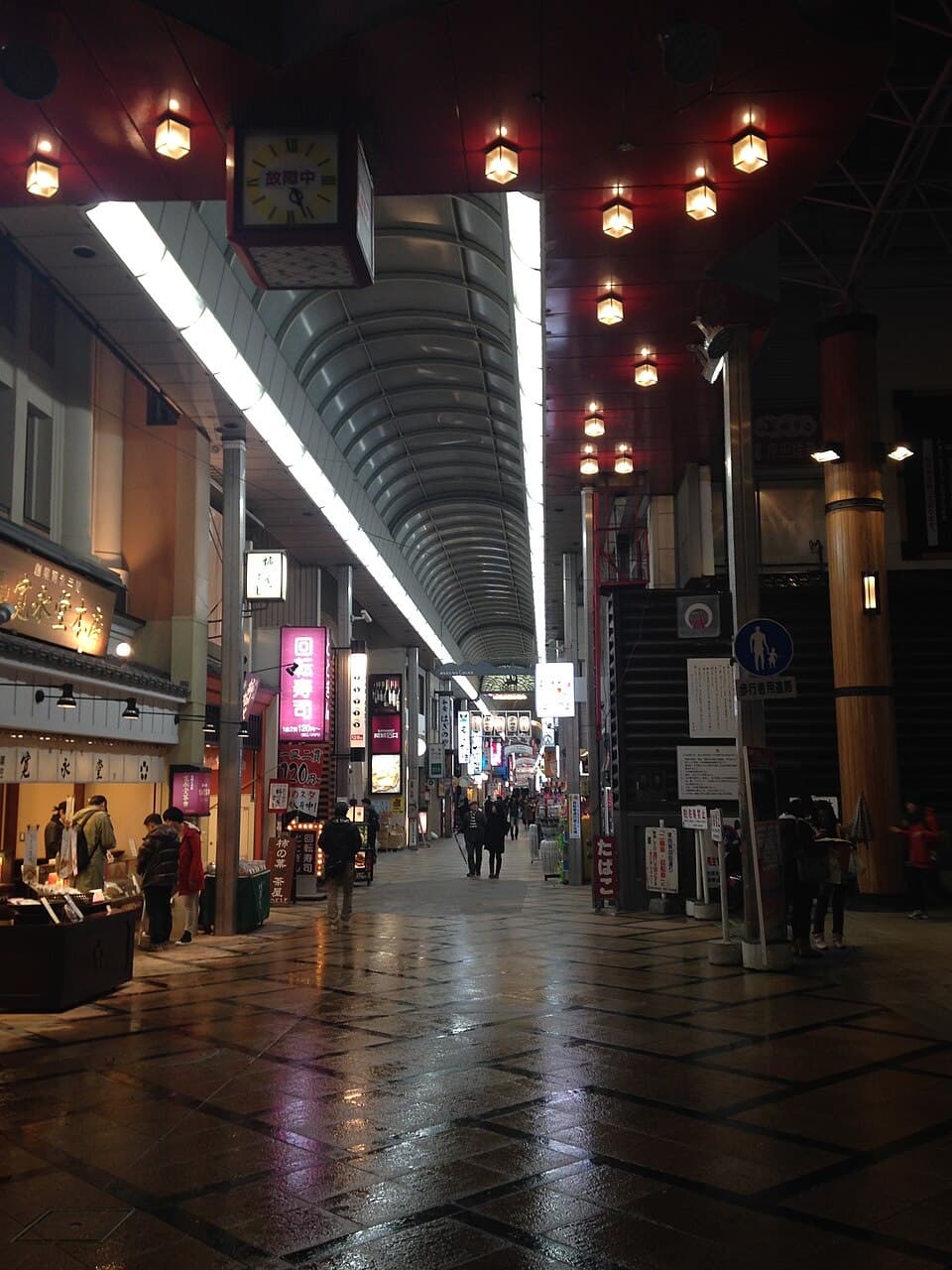
All-round convenience — covered shopping arcade steps from the station, and Nara Park a five-minute walk away.
JR Nara Station
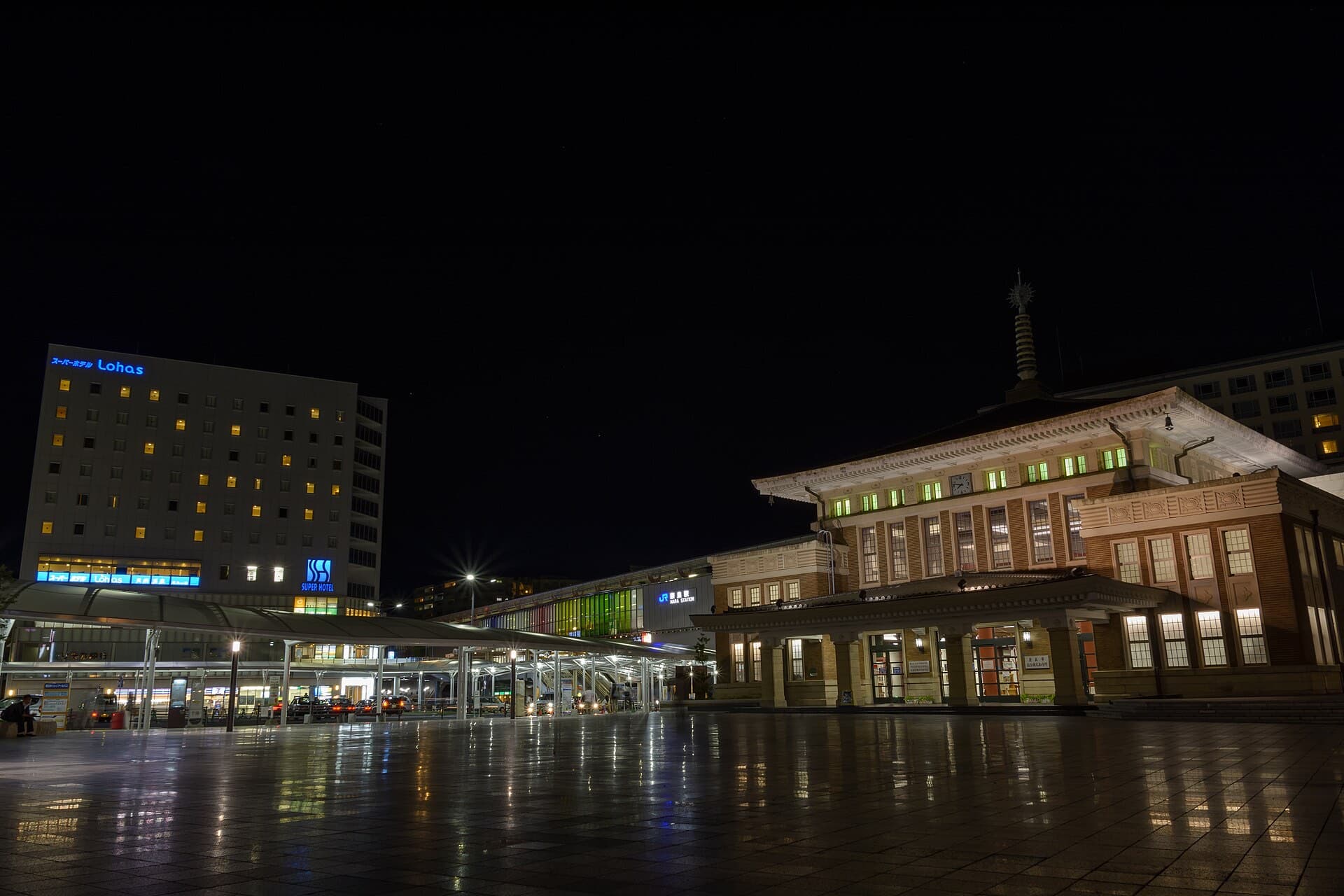
Practical rail base — the preserved 1934 pagoda-roofed station building beside the current JR concourse.
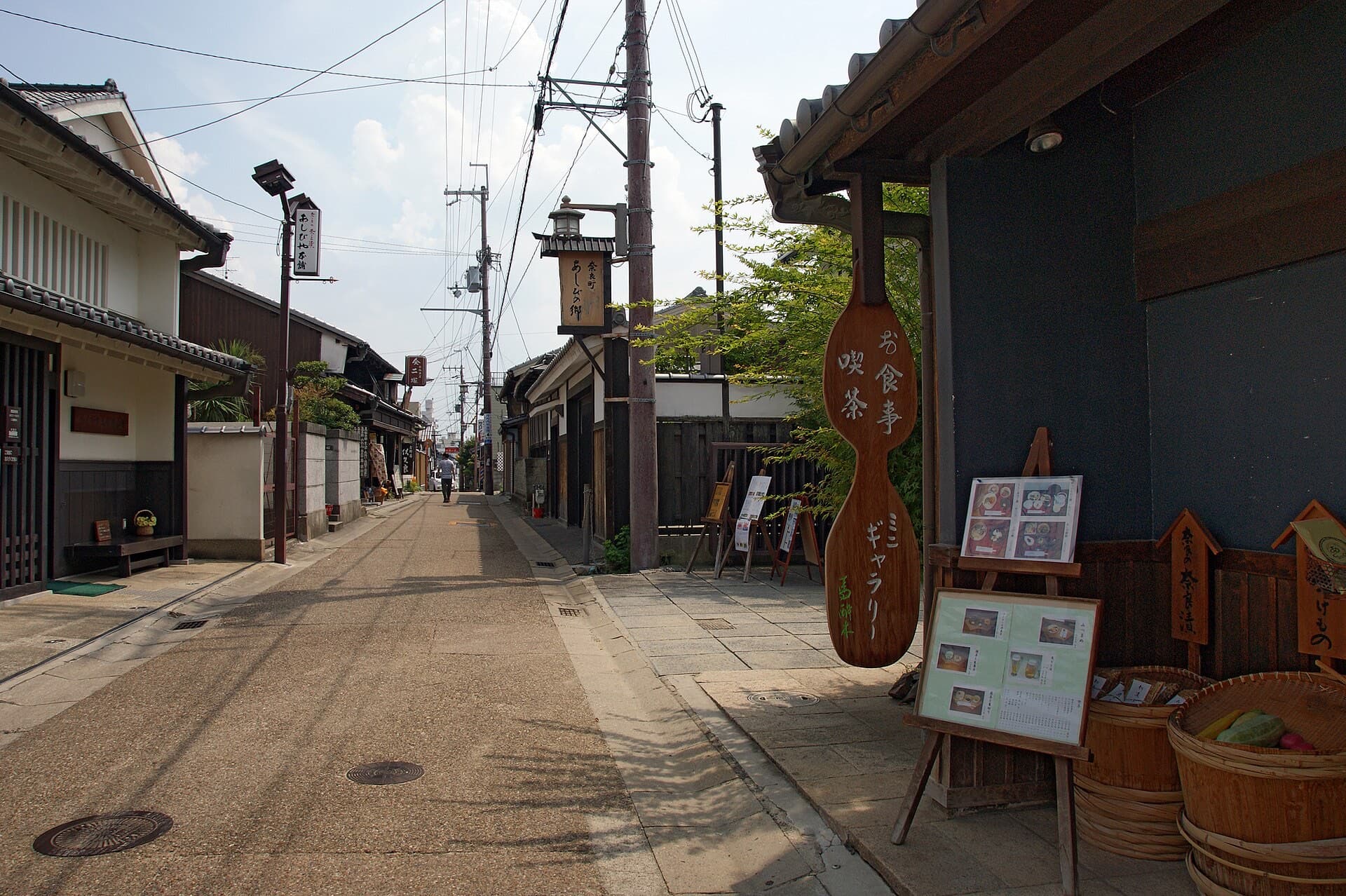
Naramachi
Preserved merchant-quarter streets — wooden machiya facades, small cafés, and a genuinely quiet evening.
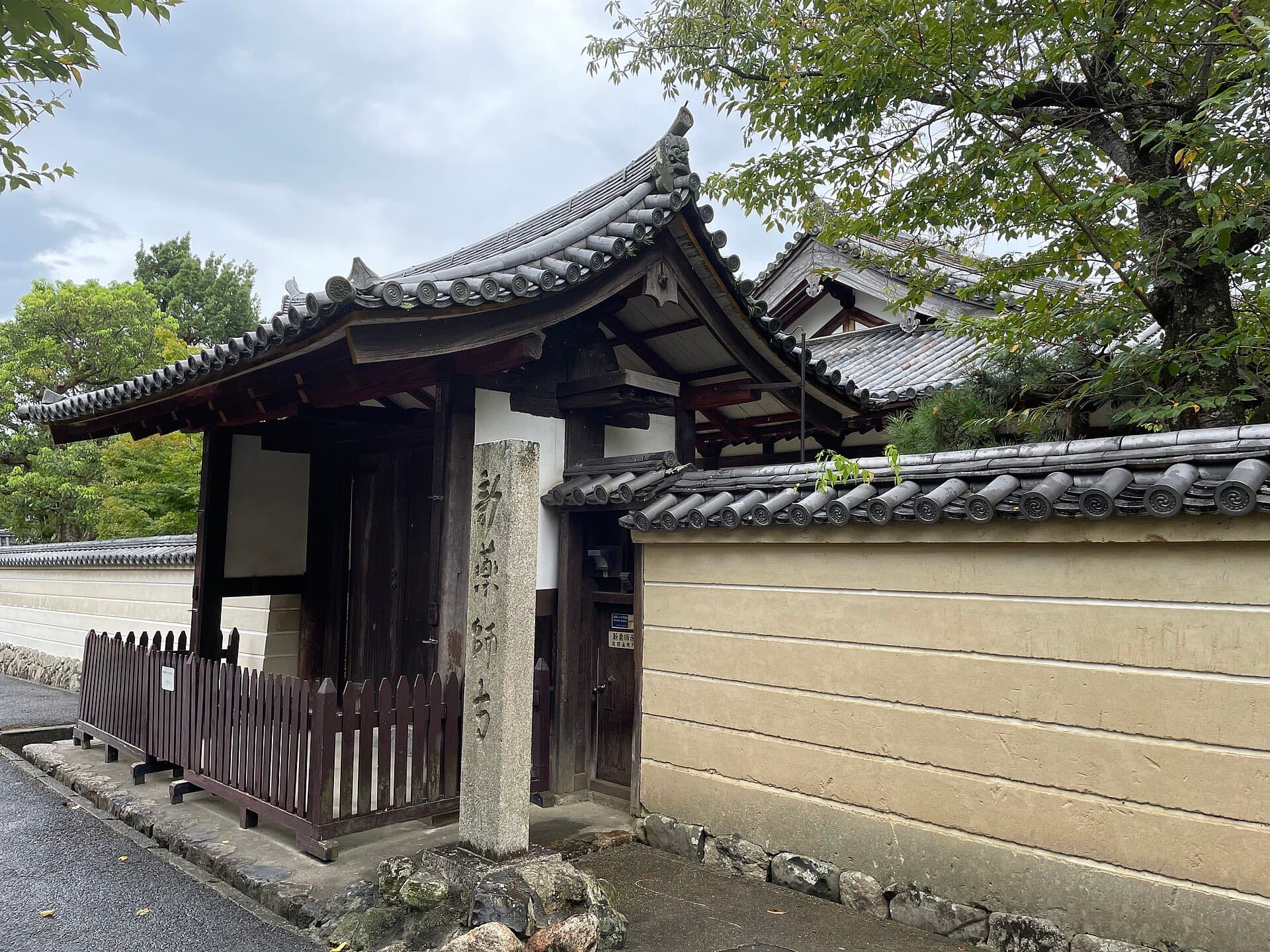
Nara Park / Takabatake
The strongest sense of place — forest edges, temple approaches, and the quiet lanes where Kasuga Taisha's priests once lived.
Kintetsu Nara / Higashimuki
All-round convenience — covered shopping arcade steps from the station, and Nara Park a five-minute walk away.
JR Nara Station
Practical rail base — the preserved 1934 pagoda-roofed station building beside the current JR concourse.
Naramachi
Preserved merchant-quarter streets — wooden machiya facades, small cafés, and a genuinely quiet evening.
Nara Park / Takabatake
The strongest sense of place — forest edges, temple approaches, and the quiet lanes where Kasuga Taisha's priests once lived.
Image credits
Nara is small enough that most visitors treat it as a half-day stop between Kyoto and Osaka — deer, a temple, a photo, back to the train. That itinerary works, but it also means missing what an overnight actually buys: Nara Park before the day-trip crowds arrive, and an evening after they've gone.
Where you sleep decides which of those you get. Kintetsu Nara sits at the park's edge but stays busy all day. JR Nara favors rail connections over atmosphere. Naramachi trades immediate park access for quiet, preserved streets. Nara Park and neighboring Takabatake offer the deepest sense of place, at the cost of evening convenience.
This guide compares those four areas on one trade-off: transport convenience against historic atmosphere and early access to the park.
Stay at Kintetsu Nara / Higashimuki for the strongest all-round first-time base — five minutes from Nara Park, shopping and restaurants along the Higashimuki arcade, and the most direct Kintetsu connections from Kyoto or Osaka. It's also the busiest of the four during the day.
Stay at JR Nara Station if a Japan Rail Pass, an Osaka-side JR arrival, or luggage-heavy travel matters more than atmosphere. It's practical rather than distinctive, and sits farther from the park.
Stay in Naramachi for traditional streets, small cafés, and a genuinely quiet evening — at the cost of fewer late-night options and more walking with bags.
Stay near Nara Park or Takabatake for the strongest sense of place: forest edges, temple mornings, and the quiet residential lanes where Kasuga Taisha's priests once lived. Evening dining is limited, and repeated trips back into the city cost more time.
None of these is the universal right answer. The choice depends on whether tonight is about convenience, streets, or the park itself.
Four areas, one trade-off — transport convenience against historic atmosphere and early park access.
Four areas — each trades convenience for atmosphere differently.
Stay at Kintetsu Nara / Higashimuki
First-time visit, park access, shopping and restaurants, or Kintetsu arrival from Kyoto or Osaka.
Strongest all-round choice; busiest of the four during the day.
Stay at JR Nara Station
A JR Pass, an Osaka-side JR arrival, or luggage-heavy travel shapes your schedule.
Practical and rail-focused; farther from the park and historic streets.
Stay in Naramachi
Traditional streets and evening calm matter more than immediate station access.
Fewer late-night options; more walking with luggage.
Stay near Nara Park / Takabatake
Early mornings, temple edges, and the strongest sense of place define the trip.
Limited evening dining; less convenient for repeated rail trips.
Read the columns side by side. Each area solves a different visit, not a better one.
Four areas compared on the same criteria — not ranked.
| Criteria | Kintetsu Nara | JR Nara Station | Naramachi | Nara Park / Takabatake |
|---|---|---|---|---|
| Rail convenience | Strong — Kintetsu direct | Strong — JR Pass, Osaka JR | None — walk or bus in | None — walk or bus in |
| Park access | ~5 min walk | ~15–20 min walk | 10–15 min to Kintetsu Nara side | At the edge or inside |
| Historic atmosphere | Moderate — busy by day | Low — functional | High — preserved streets | Highest — forest, temple edges |
| Evening dining | Widest choice | Station and hotel dining | Limited, quiet | Sparse |
| Quiet | Low by day | Moderate | High | Highest |
| Luggage convenience | Good | Good | Fair — more walking | Fair to limited |
| Main drawback | Busy during the day | Farther from the park | Fewer late-night options | Limited evening dining |
Rail convenience
Park access
Historic atmosphere
Evening dining
Quiet
Luggage convenience
Main drawback
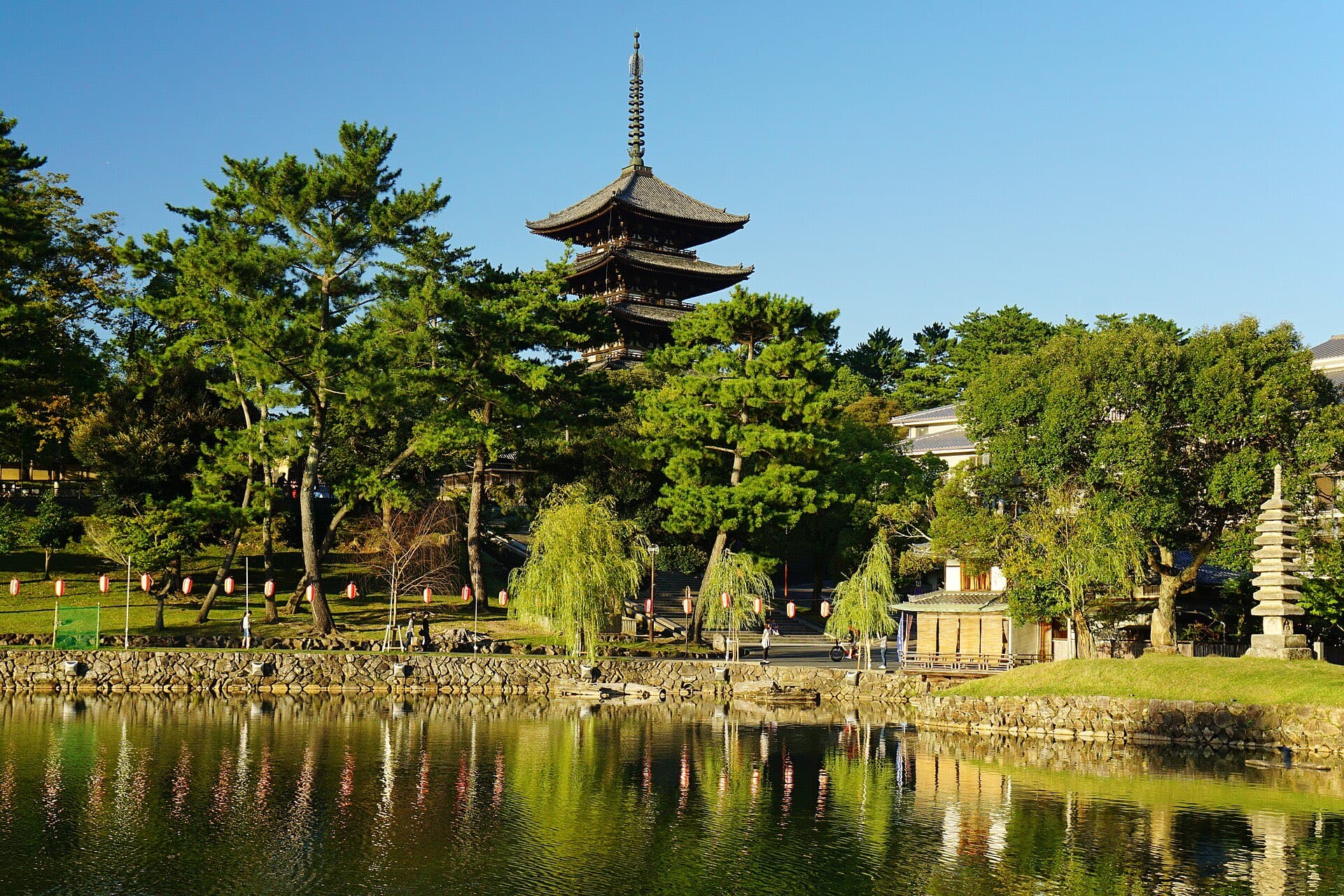
Kintetsu Nara Station sits directly beneath the Higashimuki covered arcade, and the park entrance is about a five-minute walk beyond that — Kofuku-ji's pagoda is visible almost as soon as you leave the station concourse.
Kintetsu's Limited Express reaches Kyoto and Osaka-Namba faster than JR's equivalent routes, though Kintetsu is not covered by the Japan Rail Pass. During the day, Higashimuki and the station approach are the busiest streets in Nara; the crowds thin only after the shops close for the evening.
This area suits first-time visitors who want the shortest walk to Todai-ji and Kasuga Taisha, and travelers arriving from Kyoto or Osaka who'd rather skip an extra transfer. It suits poorly anyone hoping for a quiet hotel street — that character belongs to Naramachi or Takabatake instead.
The practical nuance: Kintetsu Nara and JR Nara are roughly a kilometer apart, connected by Sanjo-dori — walkable, but far enough that booking the wrong one adds real time with luggage.
JR Nara Station serves the Yamatoji Line and Sakurai Line, with rapid service to Osaka and connections toward Kyoto. The preserved 1934 station building, with its distinctive pagoda-shaped roof, stands beside the current one — a landmark in its own right rather than a generic transit hub.
Evenings here are functional: station-adjacent restaurants and hotel dining rather than a street built for wandering. Nara Park is noticeably farther on foot than from Kintetsu Nara.
This area suits Japan Rail Pass holders, travelers arriving from Osaka on JR lines, and anyone prioritizing a practical hotel base over neighborhood character. It suits poorly first-time visitors who want to walk straight into the park without a longer approach.
The practical nuance: loop buses connect JR Nara directly to the park and Naramachi, a reasonable substitute for the longer walk when carrying bags.
Naramachi is the former merchant quarter, a grid of narrow lanes ten to fifteen minutes on foot from Kintetsu Nara — wooden machiya facades, small cafés, and craft shops, with noticeably less foot traffic than the station approach.
Evenings settle early: many cafés and shops close by early evening, leaving a handful of restaurants and bars rather than a nightlife district. The quiet is the point, not a drawback to plan around.
This area suits travelers who value atmosphere over proximity to a station, and anyone who'd rather explore on foot than treat Nara as a checklist. It suits poorly late arrivals or early departures — some accommodations sit far enough into the lanes that reaching them with luggage takes genuine time.
The practical nuance: Naramachi has no station of its own; every stay here depends on the walk in from Kintetsu Nara, JR Nara, or a loop bus.
Nara Park and neighboring Takabatake — traditionally home to Kasuga Taisha's priests — offer forest edges, temple approaches, and residential lanes quieter than anywhere else in this comparison. Shin-Yakushiji's grounds, a short walk south of Kasuga Taisha, are typical of the area's unhurried pace.
Early mornings are the reward: the park's paths and temple approaches empty out before day-trip tour groups arrive, usually by mid-morning. Evenings are correspondingly quiet — dining options are sparse, with most restaurants sitting back toward Kintetsu Nara or Naramachi.
This area suits travelers building a trip around early temple visits and slow mornings, and anyone who wants Nara's strongest sense of place at the hotel door. It suits poorly anyone making repeated trips back into central Nara or Kyoto — the distance adds up across multiple days.
The practical nuance: accommodation options here are fewer and smaller than in the other three areas — book earlier, and confirm the walking distance to whichever temple anchors your stay.
Most visitors see Nara as a half-day trip from Kyoto or Osaka, and for many itineraries that remains the practical choice — especially when Nara is one stop among several on a tight schedule.
An overnight earns its place when two things matter: reaching Nara Park before the day-trip crowds arrive, and having an evening in the city after they've gone. It also removes the pressure of a last-train deadline that shapes a rushed day visit.
It doesn't suit every trip. If Kyoto or Osaka already anchors your nights and Nara is one stop among several, continuing on afterward is often the stronger practical case — an overnight in Nara is a deliberate choice, not a default upgrade.
Booking Kintetsu Nara or JR Nara without checking which is nearer the park — the two are roughly a kilometer apart, not interchangeable with luggage.
Assuming Naramachi has a train station of its own. Every stay there depends on the walk in or a loop bus from one of the two main stations.
Treating an overnight in Nara as automatically better than a day trip. It earns its value only if early park access or a quiet evening actually matters to your itinerary.
Can I use loop buses instead of walking between areas?
Yes — buses connect both stations to Naramachi and the park, a reasonable option with luggage or in poor weather.
Is one night in Nara enough?
One night covers an early park visit and one evening. A second night mainly benefits travelers adding Takabatake's temples or a slower Naramachi pace.
Does the Japan Rail Pass cover Kintetsu Nara?
No — Kintetsu is a private railway. JR Pass holders typically arrive via JR Nara instead.
Should I base in Nara instead of Kyoto or Osaka for a multi-day Kansai trip?
Only if Nara itself, not day trips elsewhere, is the priority for those nights — otherwise Kyoto or Osaka usually offers more flexibility.
Read the Nara destination guide for what to see once you've chosen an area.
Load an IC card before relying on loop buses — see IC Cards in Japan.
Confirm whether a Japan Rail Pass changes your station choice — see Is the Japan Rail Pass Worth It?.
If Nara is one stop on a longer Kansai trip, Ryokan vs Hotel in Japan and When Is the Best Time to Visit Japan? help plan the nights around it.
The right Nara base isn't the one closest to the park on a map — it's the one that matches why you're staying the night. A Kintetsu arrival, a JR Pass, a quiet Naramachi evening, and an early walk into the park before the crowds all pull toward different areas.
Decide that reason first, and the choice between these four areas follows.
If you have compared Nara areas and know which base fits your trip, the next step is choosing a specific place within that area.
Stay near the places you will actually spend time — the station you will use most days, the streets you want after dinner, and the walks you want before coffee. Japan Atlas will add curated area collections here when editorial vetting is complete. For now, your neighborhood decision is the planning work that matters.
Future: neighborhood hotel collections by area — editorial picks chosen for station access and daily rhythm, not commission rankings.
Continue exploring this way of seeing Japan.