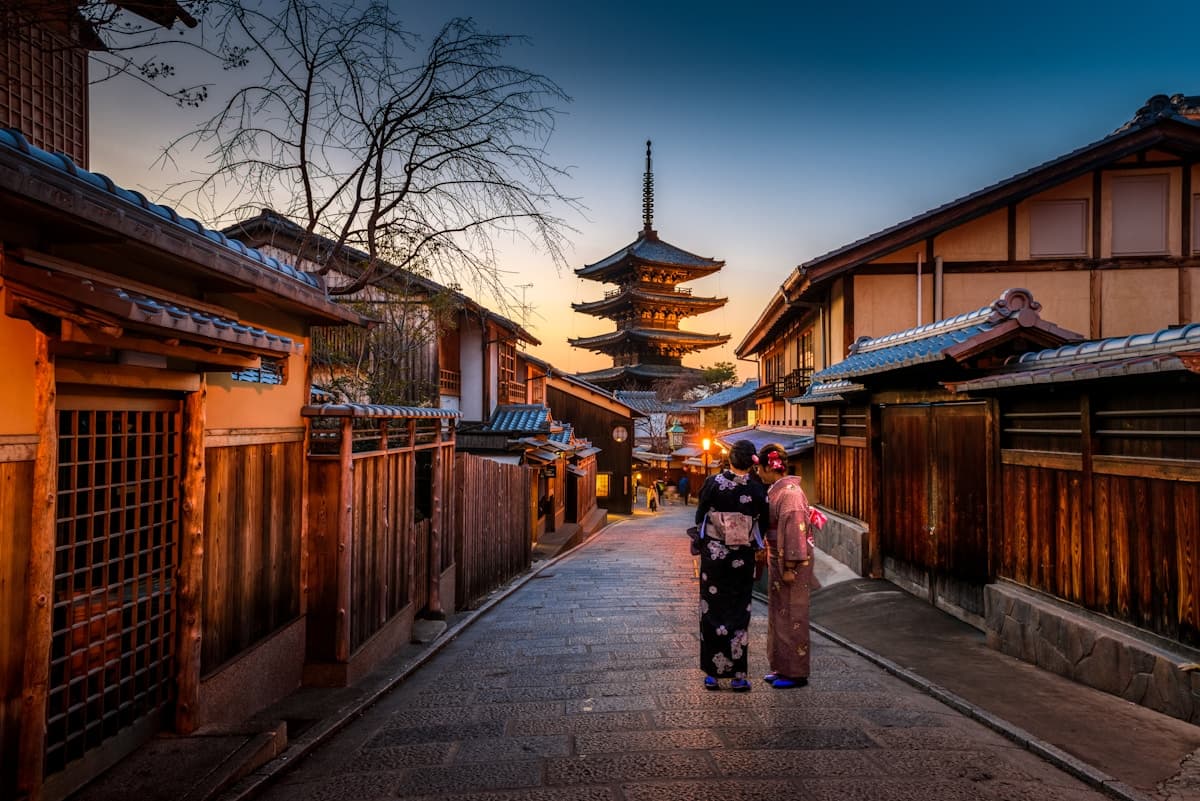
Todai-ji
Morning light enters a hall that has gathered prayer for centuries. Scale here does not impress so much as humble — a reminder that devotion outlasts empires.
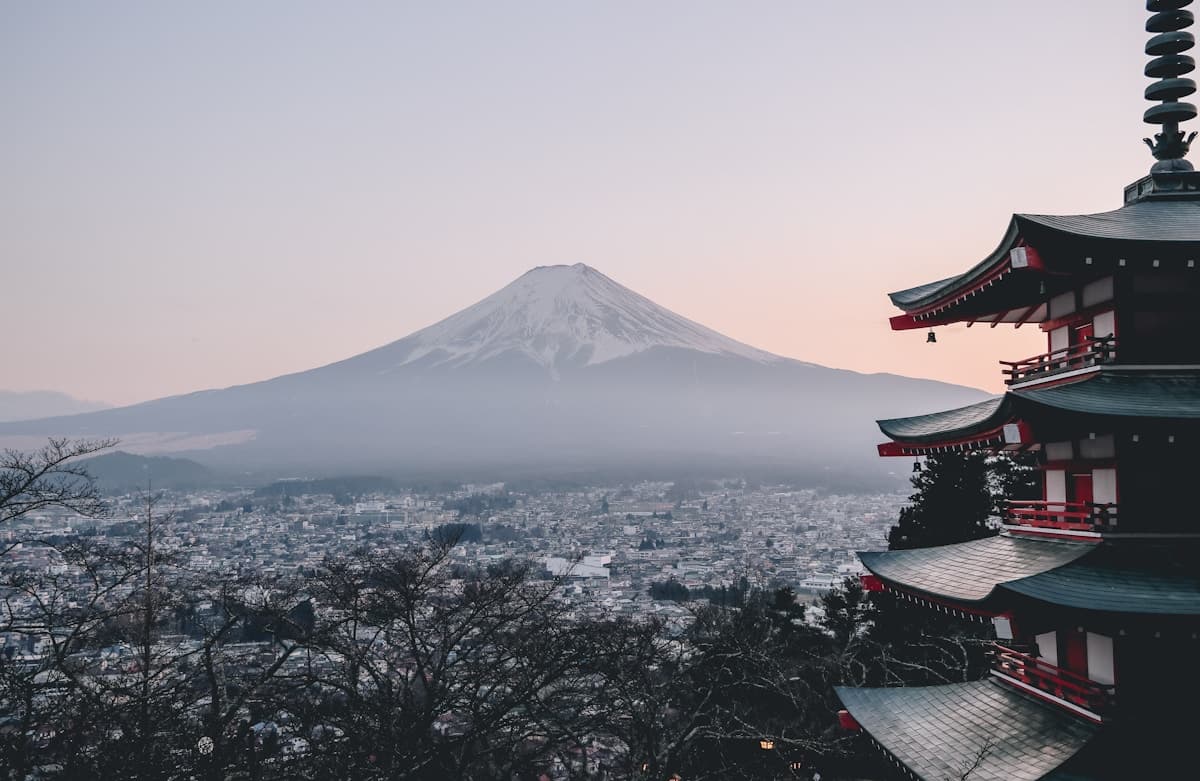
Where the sacred remains close to everyday life.
Nara is often met first through its deer and temples — familiar symbols of Japan's ancient capital.
Yet its deeper character lies in continuity: faith woven into forest and street, old rituals carried beside ordinary routines, and reverence maintained quietly across generations.
Nara does not display its past behind glass; it remains present in morning walks, temple bells, and lantern-lined paths.
A short official film exploring Nara's landscape, craft, and cultural continuity.
Morning light enters a hall that has gathered prayer for centuries. Scale here does not impress so much as humble — a reminder that devotion outlasts empires.
Bronze lanterns line forest paths where seasons are marked by flame and renewal. Faith here is maintained through daily tending — offerings changed, lamps lit, the same gestures repeated across generations.
Deer move freely between shrine and meadow, as they have for centuries — not spectacle, but part of a landscape where the sacred and the ordinary continue to meet.
In the merchant quarter, narrow streets and preserved façades carry a quieter continuity. Craftspeople, shopkeepers, and residents live beside a capital that long ago dissolved, yet never fully departed.
Most visitors day-trip to Nara from Kyoto or Osaka, and that often remains the practical choice. An overnight has a real case too — quiet mornings in the park before the crowds, temple bells at dawn, no rush for the last train.
If you do stay, Kintetsu Nara, JR Nara Station, Naramachi, and Nara Park/Takabatake each fit a different trip — see the neighborhood guide for the full comparison. If Nara stays a day trip, choosing your base city — Kyoto or Osaka — matters more than where to sleep inside Nara itself.
Compare Nara neighborhoods in Where to Stay in Nara: Best Areas for First-Time Visitors.
If accommodation type is still open, see Where to Stay in Kyoto: Choosing the Neighborhood That Fits Your Trip and Ryokan vs Hotel in Japan: Which Should You Choose?.
Find the best area before choosing a hotel. Specific property recommendations belong after the neighborhood decision — not here.
Arrive early if you can. Nara Park and the main temple approaches are quietest before the day-trip crowds build later in the morning.
Respect the deer as part of a sacred landscape rather than an attraction. Their presence belongs to faith long upheld by local practice.
Keep voices low and follow photography and shoe-removal signs at temples and shrines. These remain active places of worship, not only historic sites.
For logistics before you arrive, see IC Cards in Japan: Suica, PASMO, ICOCA and How to Use Them and Japanese Etiquette Explained: Everyday Cues for First-Time Visitors and When Is the Best Time to Visit Japan? Choosing the Season That Fits Your Trip.
Other destinations to discover across Japan.