Morning at a Local Bakery
Five moments from the first hour of an ordinary Japanese morning
A neighborhood bakery is a useful lens for an ordinary morning in Japan — not because any single shop is a destination, but because it opens before many streets feel fully awake. Trays fill, commuters pass, school routes activate, and the same block reads differently than it will at noon.
This is not a bakery ranking, café guide, or food review. Five photographs follow one morning rhythm: quiet streets, bread behind glass, a brief pause to eat, the block getting busier, and a walk that continues past the shop.
Scroll the sequence first. The images show how mornings begin. The text adds what to notice and points to Travel guides when you want help with payment, routes, or eating formats beyond the bakery counter.
Before the Streets Fill
PAKUTASO (MOR-14) — PAKUTASO Terms, free commercial use.
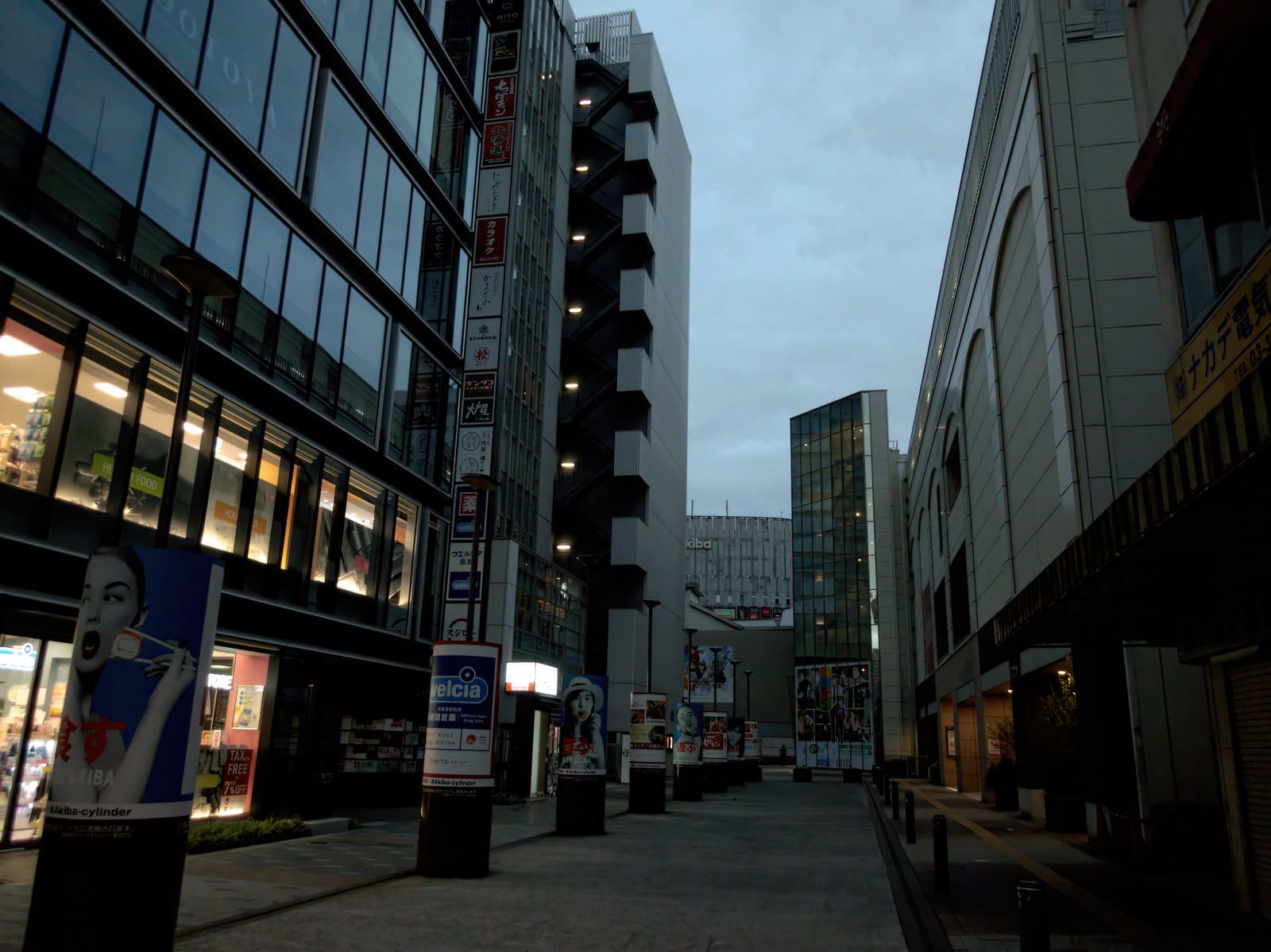
Many bakeries open between six and seven — sometimes earlier — while side streets are still thin with foot traffic. Cyclists pass. A staff member arranges the first trays. Commuters cut through before the school rush arrives.
The hour is practical: lights on inside, doors unlocked, deliveries still finishing. The bakery is working before the neighborhood looks busy.
Fresh Bread Appears
PAKUTASO (post-20519) — PAKUTASO Terms, free commercial use.
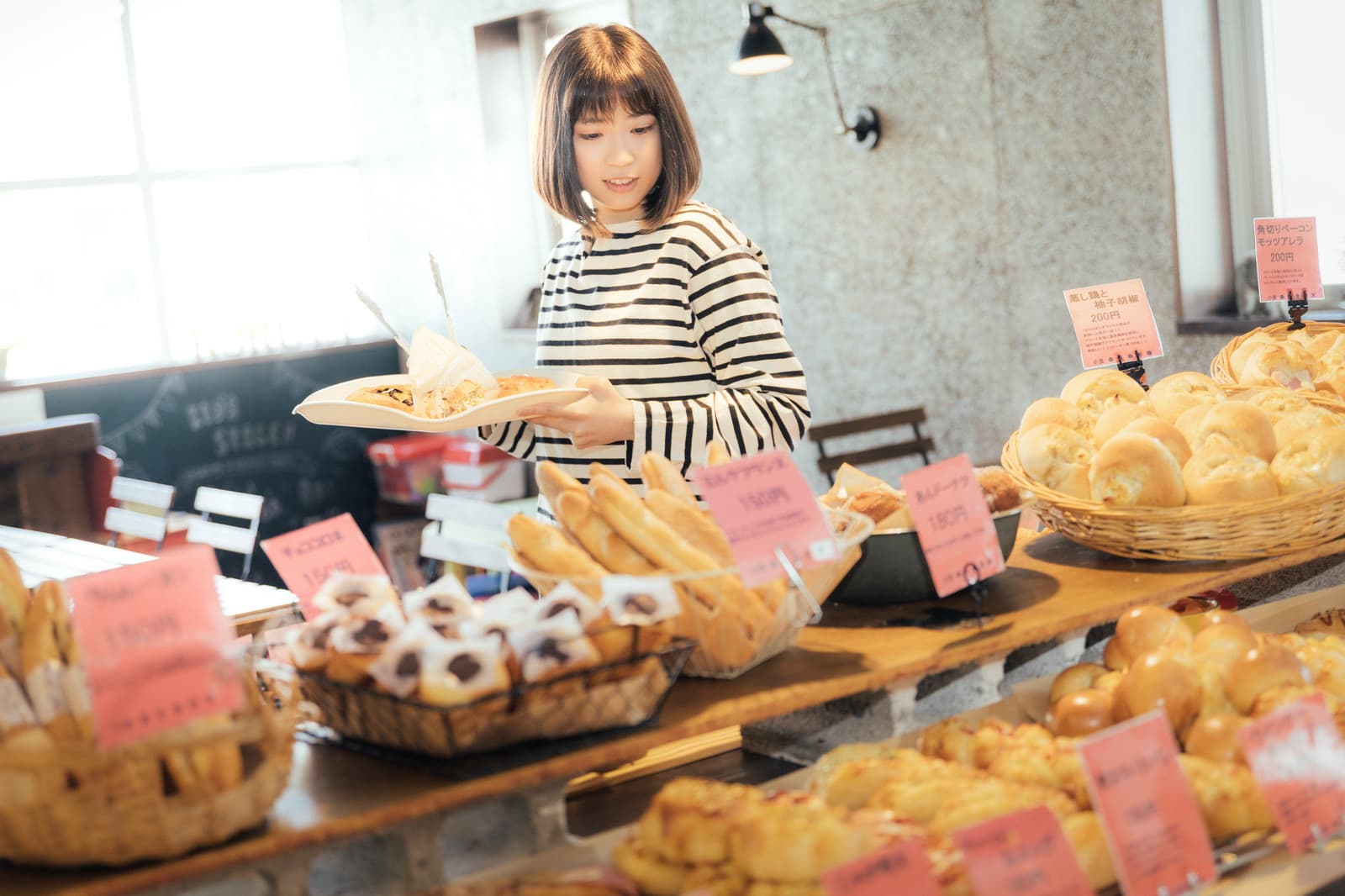
Trays rotate through the day — melon pan, curry bread, plain rolls, seasonal items — but the morning display is when shelves look fullest. Staff restock from the kitchen with tongs. Customers point or take a tray and tongs themselves, depending on the shop.
This is everyday food shopping, not a special-occasion counter. People buy what they need for breakfast or the office before continuing.
Breakfast Outside
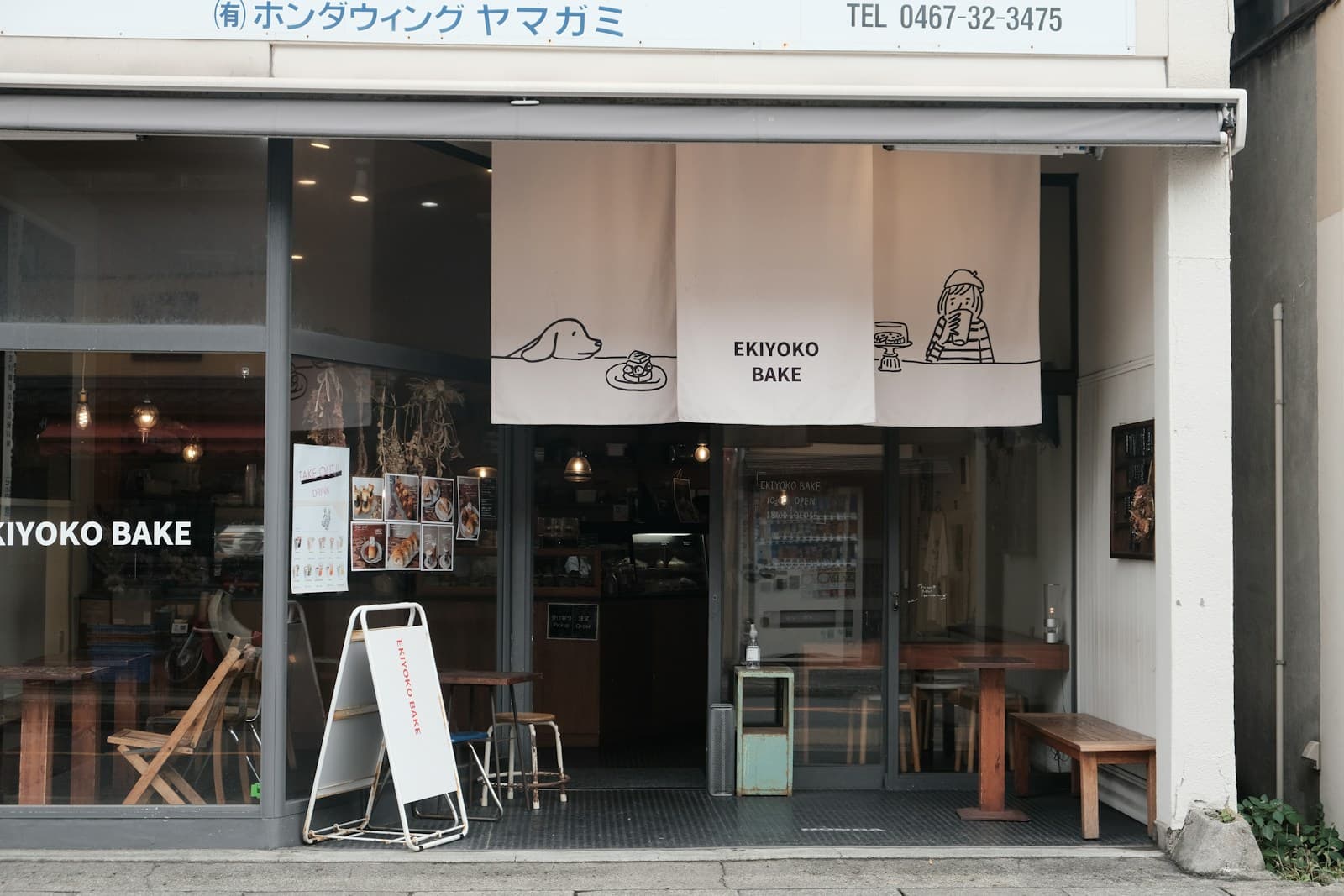
Photo by Nicholas Ng (@nicsandman20) — Unsplash OsEuCtV1yss, Unsplash License.
Not everyone sits down inside. Some eat on a bench, at a station ledge, in a small park, or while walking the next block. Coffee from a vending machine or konbini often pairs with the bread.
It is a pause, not a ceremony — five or ten minutes before work, school, or the next train. Many residents skip this entirely and eat at home or the office.
The Neighborhood Wakes Up
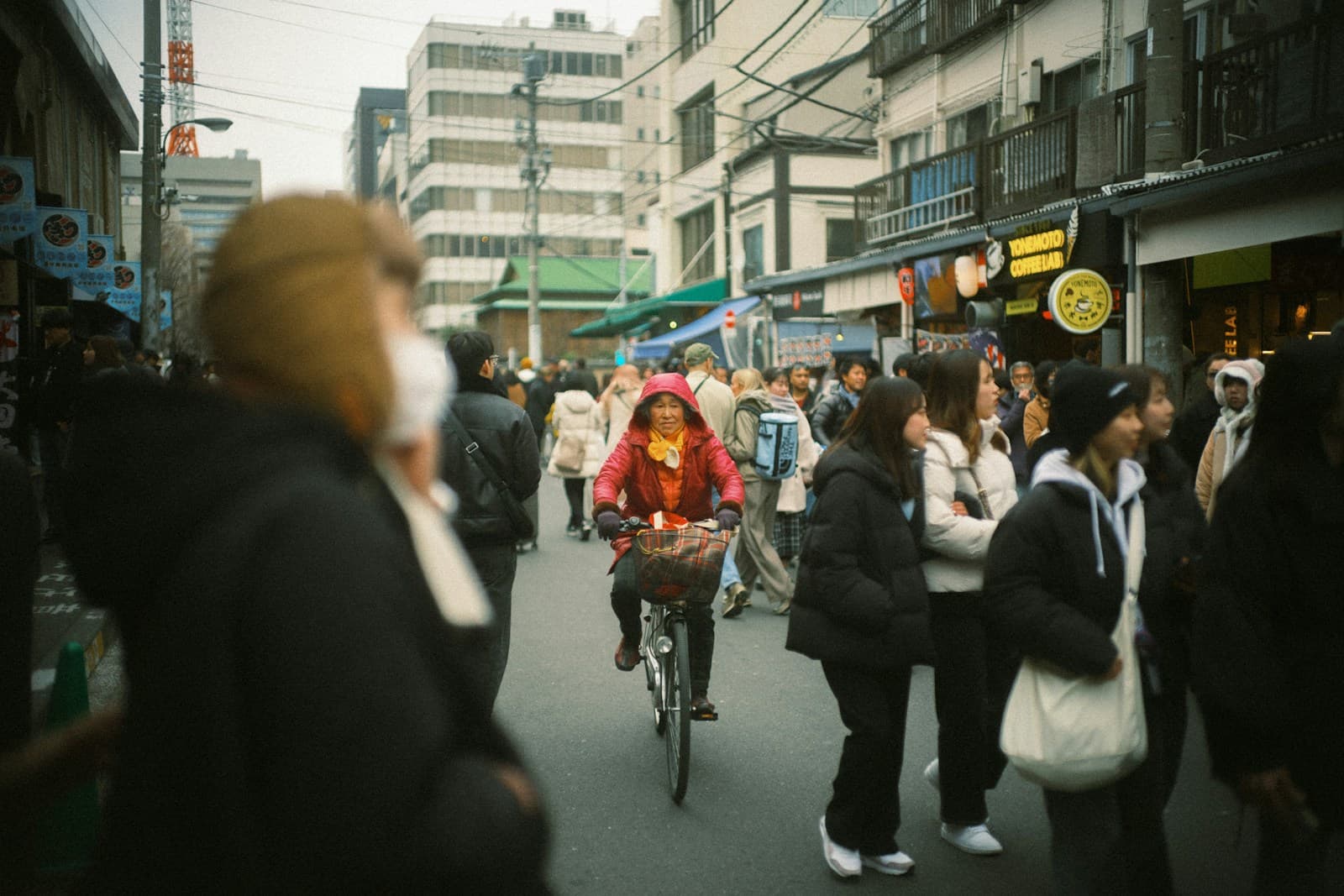
Photo by Jakob Owens on Unsplash (MOR-16) — Unsplash License.
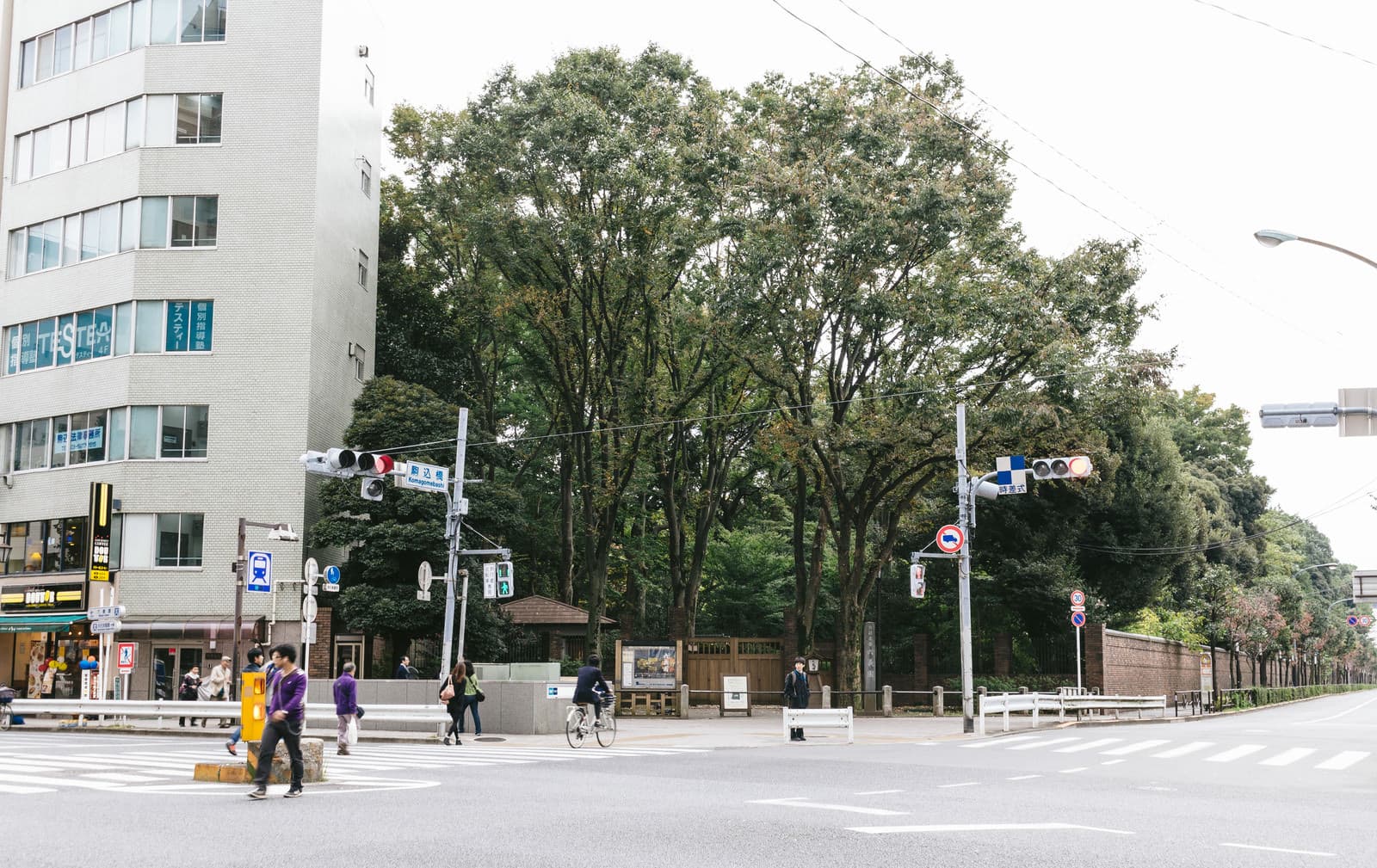
By eight, the block around the bakery changes scale. School routes add backpacks and grouped children. Shops raise shutters. Traffic signals cycle more often. The bakery becomes one stop among many — dry cleaner, greengrocer, station exit.
The morning is no longer quiet. It is coordinated: the same streets, more simultaneous errands.
Continue Walking
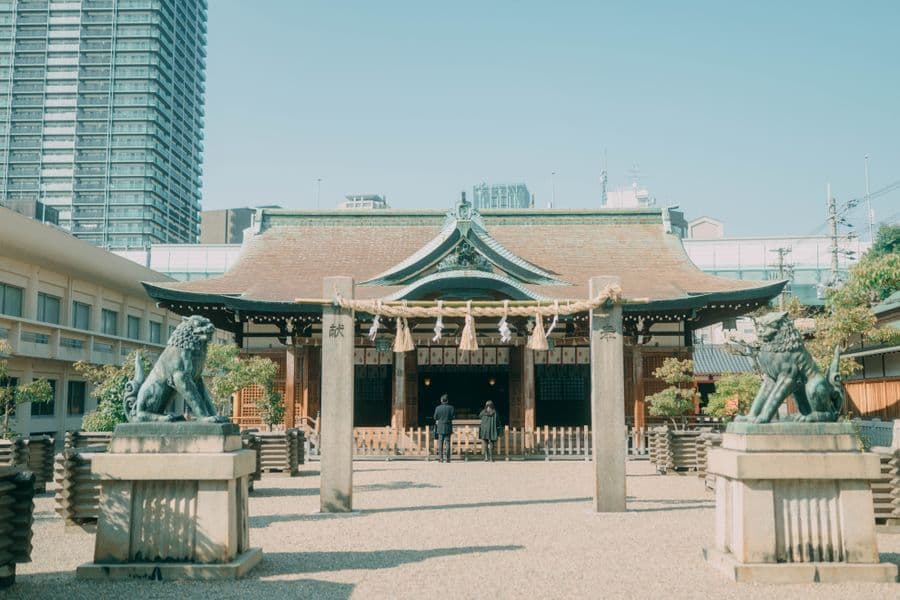
Photo by Ryan Lee on Pexels (NBR-08) — Pexels License.
The useful part of the morning often starts after the bag is folded shut. One more block into residential lanes. A small shrine gate. A river path beginning to see joggers. A shopping street whose shutters are still half-lifted.
The bakery opened the hour; the walk carries it forward. You do not need a named destination — only the next corner.
What to Notice
- Opening hours posted in the window — many bakeries start before eight
- Trays, tongs, and whether staff serves or you help yourself
- Who shops: commuters, parents, students, older residents — mixed, not tourist-only
- Bicycles parked outside without blocking the door
- School and work traffic increasing between seven and eight-thirty
- Coffee from konbini or vending machines paired with bakery bread
- Parks, benches, and station edges used as brief eating spots
Plan Your Morning
When you want practical help beyond observation, these Travel guides cover payment, routes, and eating formats the bakery does not explain.
Leave the hotel fifteen minutes earlier once this week. Buy bread if you want it. Keep walking when you are done.
Related Reading
Continue exploring this way of seeing Japan.