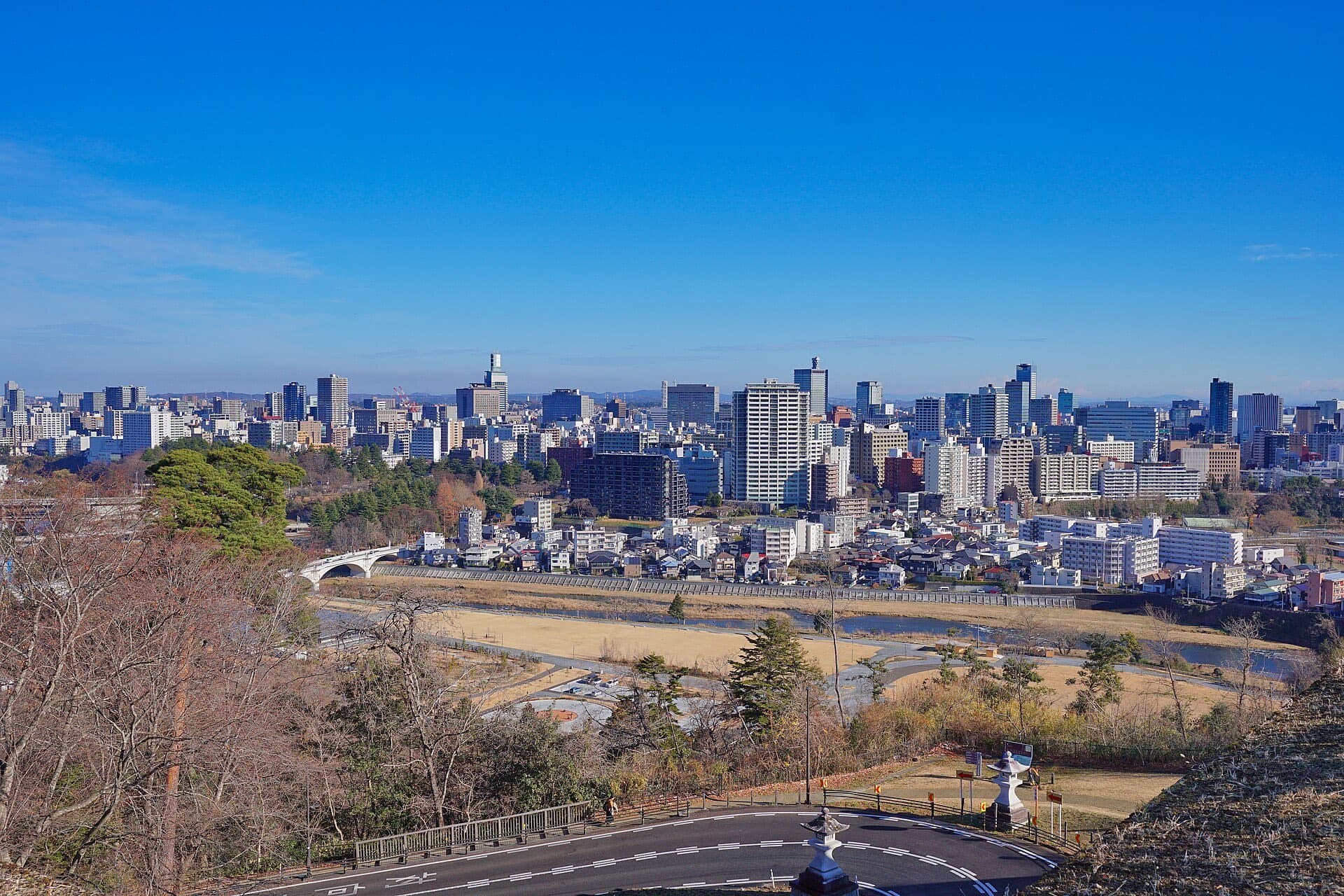
Where to Stay in Sendai: Best Areas for First-Time Visitors
Which Sendai area fits your trip — transport convenience, downtown atmosphere, or calm greenery?
- Category
- Travel
- Central Question
- Which Sendai area fits your trip — transport convenience, downtown atmosphere, or calm greenery?
Which Sendai feels like your trip?
Choose the atmosphere that feels right to you before reading further.
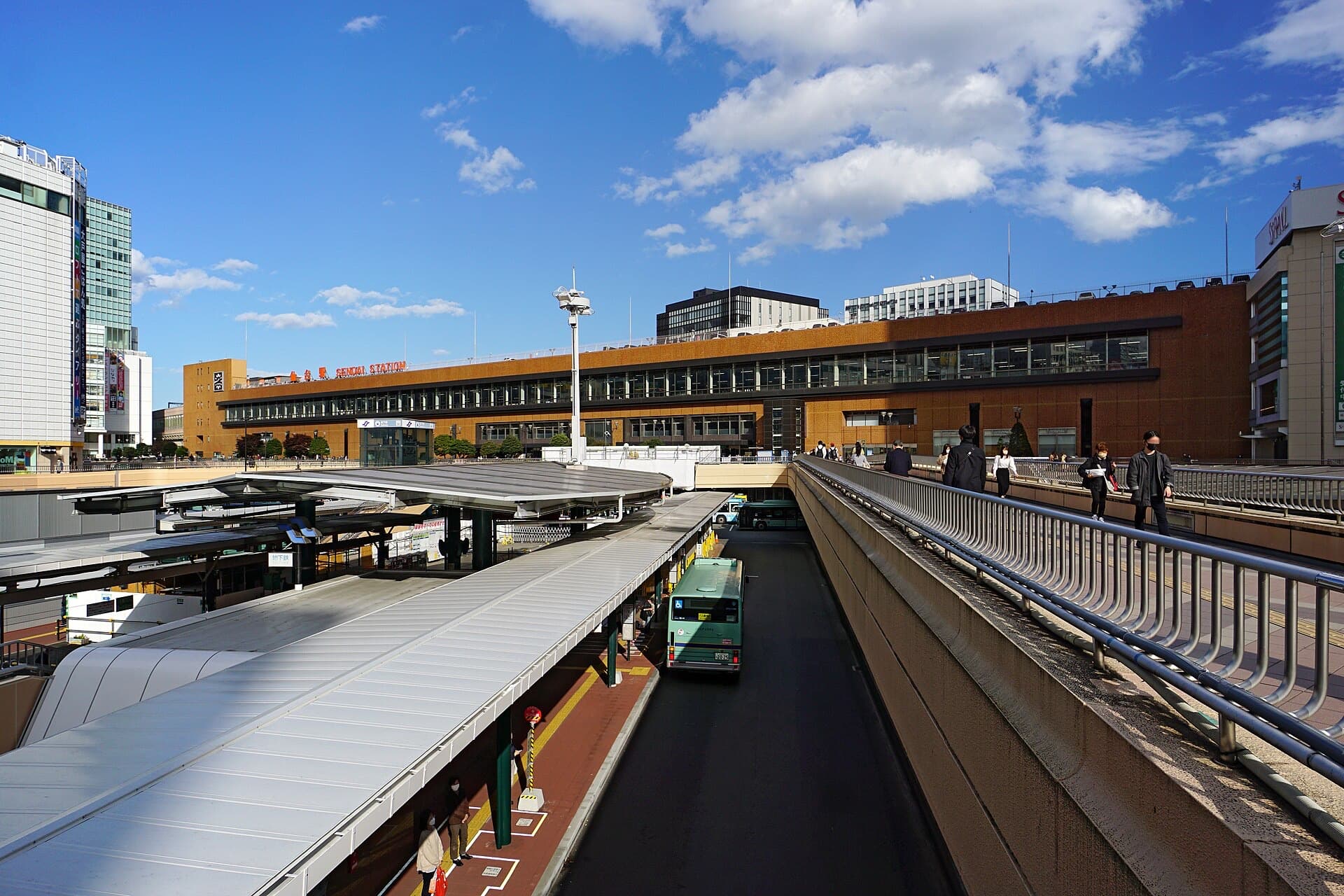
Sendai Station
Rail gateway energy — Shinkansen concourse, subway crossing, and day-trip departures for Matsushima and Yamadera.
- Shinkansen hub
- Subway crossing
- Day-trip base
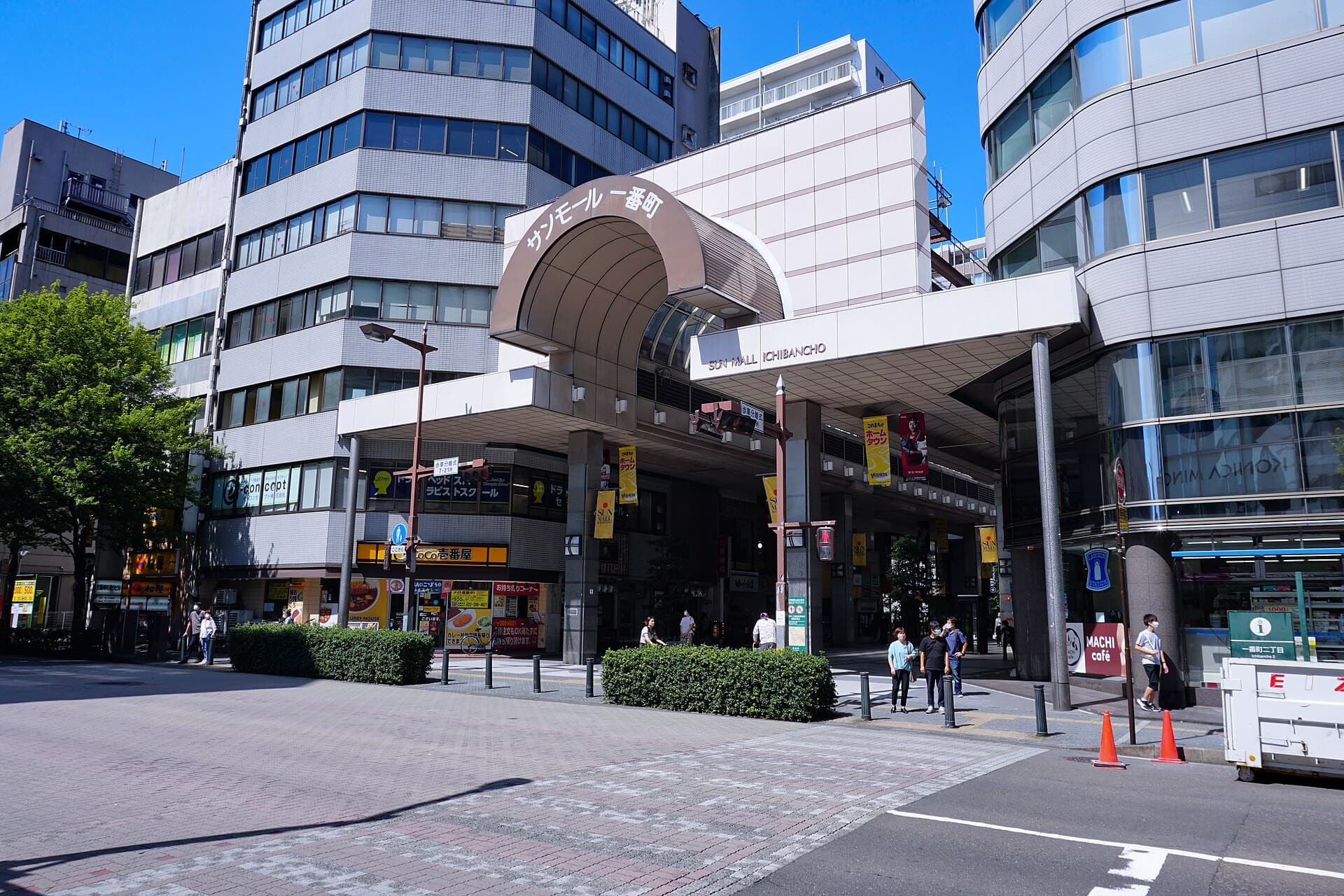
Aoba-dori / Ichibancho
Balanced downtown rhythm — covered arcades, everyday restaurants, and a walkable base equidistant from everything.
- Covered arcade
- Everyday dining
- Central base
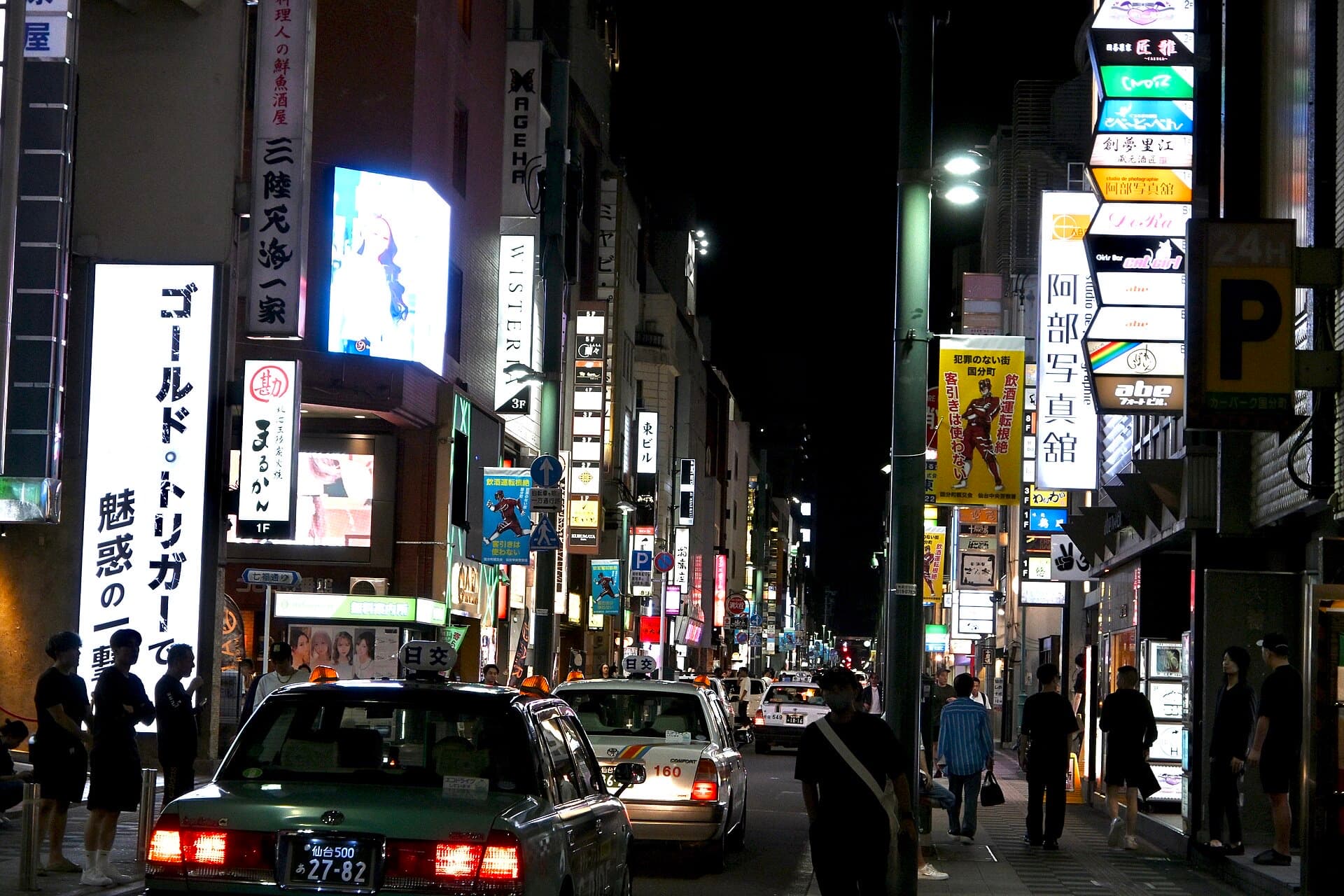
Kokubuncho
Dense evening energy — Tohoku's largest concentration of bars, izakaya, and late-night counter dining.
- Bar district
- Late nights
- Food-first
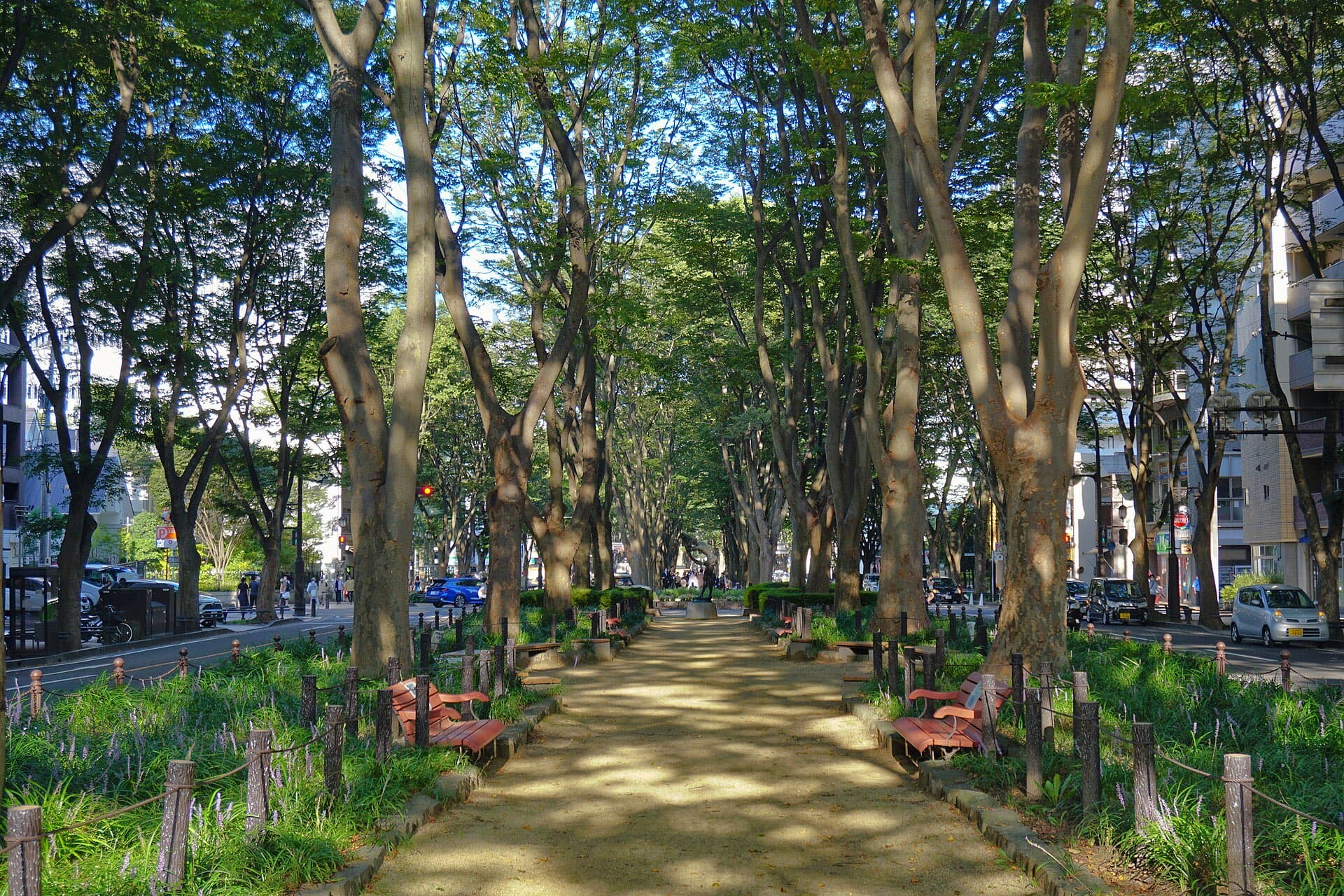
Jozenji-dori
Tree-canopy calm — Sendai's zelkova-lined boulevard, a quieter walk with downtown still close by.
- Tree canopy
- Quiet walks
- Central calm
Sendai Station
Rail gateway energy — Shinkansen concourse, subway crossing, and day-trip departures for Matsushima and Yamadera.
- Shinkansen hub
- Subway crossing
- Day-trip base
Aoba-dori / Ichibancho
Balanced downtown rhythm — covered arcades, everyday restaurants, and a walkable base equidistant from everything.
- Covered arcade
- Everyday dining
- Central base
Kokubuncho
Dense evening energy — Tohoku's largest concentration of bars, izakaya, and late-night counter dining.
- Bar district
- Late nights
- Food-first
Jozenji-dori
Tree-canopy calm — Sendai's zelkova-lined boulevard, a quieter walk with downtown still close by.
- Tree canopy
- Quiet walks
- Central calm
Image credits
- Sendai Station — Wikimedia Commons (211028 Sendai Station Sendai Miyagi pref Japan01s5.jpg) by 663highland — CC BY-SA 4.0
- Aoba-dori / Ichibancho — Wikimedia Commons (Sun Mall Ichibancho 202209.jpg) by 掬茶 — CC BY-SA 4.0
- Kokubuncho — Wikimedia Commons (Kokubunchō, Sendai, 17th Sep 2025.jpg) by 石巻敎祖 — CC BY-SA 4.0
- Jozenji-dori — Wikimedia Commons (Jozenji-dori 2022.jpg) by 掬茶 — CC BY-SA 4.0
Sendai compresses most of what a first-time visitor needs into a downtown small enough to walk end to end in under thirty minutes. That compactness is also the trap: every hotel pin on the map looks close to everything, so the real decision — trading transport convenience for the evening atmosphere you actually want — gets skipped until check-in.
The Tohoku Shinkansen puts Tokyo about ninety minutes away and makes Sendai both a destination and a gateway, for day trips to Matsushima's bay or Yamadera's cliffside temple, or a stopover before Akiu Onsen. A base built for those departures is not the same base you'd choose for an evening in Kokubuncho's bars or under Jozenji-dori's trees.
This guide compares four downtown areas on one axis: how much transport convenience you trade for atmosphere and calm. None of them is wrong — some just cost a longer walk home after dinner.
The Short Answer
Stay at Sendai Station if you're passing through — a Shinkansen changeover, an early Matsushima or Yamadera day trip, or a late arrival where you don't want to drag luggage any further than the concourse. It's efficient, not atmospheric.
Stay in Aoba-dori / Ichibancho for one balanced base on a first visit — covered shopping arcades, everyday restaurants, and a walk to everything else downtown, including Kokubuncho, without sleeping inside it.
Stay in Kokubuncho if evenings are the point — Tohoku's largest concentration of bars and restaurants at the hotel door, along with the noise and late hours that come with it.
Stay near Jozenji-dori for downtown access without downtown intensity — tree-lined streets, a quieter walk home, and an easy stroll into Kokubuncho or Ichibancho when you want them.
Matsushima and Yamadera are day trips from Sendai Station, not overnight bases for a first visit. Akiu Onsen is a separate onsen stay outside the city, not a Sendai neighborhood — treat it as its own night rather than a downtown pin.
If you remember only one thing: decide whether tonight is about reaching somewhere tomorrow or about tonight itself. That answer picks the area faster than any hotel filter.
Which Area Fits Your Sendai Trip?
Four areas cover nearly every first-time itinerary. Each trades convenience for atmosphere in a different direction.
Four downtown areas — each trades convenience for atmosphere differently.
Stay at Sendai Station
Shinkansen connections, airport transfers, or a Matsushima/Yamadera day trip anchor your schedule.
Strong for rail-through trips and early departures; weakest for evening atmosphere at the door.
Stay in Aoba-dori / Ichibancho
You want one walkable, balanced base without committing to nightlife noise or station practicality.
Strong for first-timers; a 10–15 minute walk covers Kokubuncho, Jozenji-dori, and the station.
Stay in Kokubuncho
Evening dining and bar culture are the reason for the trip, not an afterthought.
Strong for social, late-night stays; weak for families or light sleepers.
Stay near Jozenji-dori
You want central access with a quieter, greener walk home.
Strong for calm sleep with downtown still in reach; weak for doorstep nightlife.
Matsushima, Yamadera, and Akiu Onsen are covered separately below — not as downtown columns.
Comparing Sendai Areas
Read the columns side by side. None of them wins outright — each solves a different night.
Four areas compared on the same criteria — not ranked.
| Criteria | Sendai Station | Aoba-dori / Ichibancho | Kokubuncho | Jozenji-dori |
|---|---|---|---|---|
| Station access | At the door | 10–15 min walk | 15–20 min walk | 10–15 min walk |
| Evening atmosphere | Practical, quiet | Balanced, easygoing | Loud, dense, social | Calm, tree-lined |
| Dining access | Station concourse | Arcades, everyday spots | Tohoku's largest concentration | Nearby, not at the door |
| Calm | Low — transit noise | Moderate | Low after dark | High |
| Day-trip convenience | Best — no transfer | Short walk to station | Short walk to station | Short walk to station |
| Main drawback | No atmosphere at the door | Not the liveliest option | Noise, late hours | Not doorstep nightlife |
Station access
- Sendai Station
- At the door
- Aoba-dori / Ichibancho
- 10–15 min walk
- Kokubuncho
- 15–20 min walk
- Jozenji-dori
- 10–15 min walk
Evening atmosphere
- Sendai Station
- Practical, quiet
- Aoba-dori / Ichibancho
- Balanced, easygoing
- Kokubuncho
- Loud, dense, social
- Jozenji-dori
- Calm, tree-lined
Dining access
- Sendai Station
- Station concourse
- Aoba-dori / Ichibancho
- Arcades, everyday spots
- Kokubuncho
- Tohoku's largest concentration
- Jozenji-dori
- Nearby, not at the door
Calm
- Sendai Station
- Low — transit noise
- Aoba-dori / Ichibancho
- Moderate
- Kokubuncho
- Low after dark
- Jozenji-dori
- High
Day-trip convenience
- Sendai Station
- Best — no transfer
- Aoba-dori / Ichibancho
- Short walk to station
- Kokubuncho
- Short walk to station
- Jozenji-dori
- Short walk to station
Main drawback
- Sendai Station
- No atmosphere at the door
- Aoba-dori / Ichibancho
- Not the liveliest option
- Kokubuncho
- Noise, late hours
- Jozenji-dori
- Not doorstep nightlife
Matsushima, Yamadera, and Akiu Onsen sit outside this table — see the dedicated section below.
Sendai Station
Sendai Station is the Tohoku Shinkansen's main hub and the point where the city's two subway lines, the Namboku and Tozai lines, cross. The Sendai Airport Access Line runs through to the airport without a transfer, and JR lines toward Matsushima and Yamadera depart from the same concourse.
Evenings here are functional — station concourse dining, hotel restaurants, and an underground mall rather than a street to wander. Ichibancho's arcades and Kokubuncho's bars sit a short walk west, reachable in about ten to fifteen minutes on foot, but they are not visible from the hotel door.
This area suits rail-through itineraries: an early Shinkansen to Tokyo or Yamagata, a Matsushima or Yamadera day trip that starts before the city wakes, or a late arrival where minimizing the walk with luggage matters more than the view. It suits less well anyone who wants to fall out of a restaurant and into bed — that experience belongs closer to Kokubuncho or Ichibancho.
The practical nuance worth knowing: Sendai's downtown core is compact enough that "near the station" and "near Kokubuncho" describe the same short walk, not a real trade-off in distance — the trade-off is entirely about what sits at the hotel door on arrival, not what's reachable on foot.
Aoba-dori / Ichibancho
Aoba-dori is the broad avenue running from Sendai Station into downtown; Ichibancho is the covered arcade — Tohoku's largest — that crosses it, lined with shops, cafés, and everyday restaurants rather than nightlife.
Daytime here is the point: department stores, a covered walk immune to Sendai's rain and snow, and a base equidistant from the station, Kokubuncho, and Jozenji-dori. Evenings are easygoing rather than loud — restaurants stay open, but the intensity of Kokubuncho is a deliberate walk north, not a default.
This area suits first-time visitors who want one readable downtown name without committing to a nightlife base, and travelers who want to walk to dinner in Kokubuncho and walk home to somewhere quieter afterward. It suits less well anyone treating late-night dining as the headline experience — that's a short walk away, not at the door.
The practical nuance: booking platforms often list this area simply as "central Sendai," a label it shares with Kokubuncho and parts of Jozenji-dori. Check the exact cross streets before assuming a pin sits inside the covered arcade itself.
Kokubuncho
Kokubuncho is Tohoku's largest concentration of bars, izakaya, and restaurants — several thousand packed into a few blocks between Jozenji-dori and Hirose-dori. It is Sendai's answer to a night built around eating and drinking rather than sightseeing.
Evenings here run late: counter seating, standing bars, and a street that stays lit well past when Ichibancho's shops have closed. Sleeping inside it means the walk home after dinner is measured in minutes, not a taxi ride.
This area suits social travelers and anyone whose Sendai trip is built around food and drink rather than temple mornings. It suits poorly families with young children, light sleepers, and early risers heading straight to a Matsushima or Yamadera train — the noise doesn't fully clear until late.
The practical nuance: Kokubuncho is dense but small, roughly a few hundred meters across, so a hotel address inside it can still mean a short, quiet residential-feeling side street rather than the loudest block. Confirm the specific street, not just the district name, before booking.
Jozenji-dori
Jozenji-dori is a roughly 700-meter boulevard lined with more than 150 zelkova trees, planted during Sendai's postwar reconstruction and now the clearest expression of the city's nickname, Mori no Miyako — City of Trees. It forms Kokubuncho's northern edge, one block from the district's noise.
Evenings are quiet by comparison — benches under the canopy, a walk rather than a destination, with Kokubuncho and Ichibancho both close enough to reach in a few minutes when you want them. Two annual events change the character temporarily: the Jozenji Street Jazz Festival each September fills the avenue with performances, and the Pageant of Starlight illuminates the trees with lights from December into January.
This area suits travelers who want central Sendai without central noise — a base for calm mornings and evenings with downtown still in easy reach. It suits poorly anyone expecting bars or restaurants at the hotel door; that's a deliberate short walk, not a given.
The practical nuance: hotel density along Jozenji-dori itself is lower than in Ichibancho or Kokubuncho, so options often sit just off the avenue rather than directly beneath the trees — worth checking on a map before booking on the name alone.
Matsushima, Yamadera, and Akiu Onsen
Three places outside downtown come up in nearly every Sendai itinerary, and none of them work as a central Sendai neighborhood.
Matsushima, one of Japan's traditionally listed scenic views, is reached from Sendai Station on the JR Senseki Line in roughly 40 minutes direct. It is a day trip, not an overnight base for a first visit — most travelers see the bay and pine islands in an afternoon and return to Sendai to sleep.
Yamadera, the cliffside temple complex above Yamagata, is reached on the JR Senzan Line in about an hour, with roughly hourly service. The climb and descent alone fill half a day; combining it with a Sendai-area hotel keeps the trip a day trip rather than a relocation.
Akiu Onsen is a hot spring area roughly 40–50 minutes from Sendai Station by bus — there is no direct train. It is a genuine overnight destination in its own right, built around ryokan and bath rhythm rather than downtown walkability, and belongs on its own night in the itinerary rather than as a "neighborhood" option alongside Kokubuncho or Ichibancho. See Ryokan vs Hotel in Japan before deciding whether an Akiu night fits your trip.
Common Mistakes
Judging a hotel by map distance from the station rather than by which area it actually sits in. A pin a few hundred meters further out can land inside Jozenji-dori's calm or Kokubuncho's noise — the district matters more than the meters.
Treating Akiu Onsen as a same-night add-on to a downtown stay rather than its own night — the bus schedule and bath rhythm don't compress into a quick detour.
Assuming "central Sendai" on a booking site means Ichibancho specifically. The label also covers Kokubuncho and parts of Jozenji-dori — check the cross streets.
Planning Yamadera and Matsushima on the same day. Both are worthwhile half-day trips in different directions; combining them turns either into a rushed platform-to-platform errand.
Common First-Time Questions
Do I need more than one night in Sendai?
One night covers downtown and a single day trip. Two nights give you Matsushima or Yamadera without a rushed morning, plus an unhurried evening in Kokubuncho or along Jozenji-dori.
Should I split my stay across two areas?
Rarely worth it. Sendai's downtown is compact enough that changing hotels mid-trip adds packing time without a real change in what's reachable.
Is Sendai safe to walk at night between these areas?
The walks between Sendai Station, Ichibancho, Kokubuncho, and Jozenji-dori are short, lit, and heavily trafficked with pedestrians even late — normal city awareness applies, not special caution.
Does a JR Pass cover the Matsushima and Yamadera trains, or just the Shinkansen?
Both the Senseki Line to Matsushima and the Senzan Line to Yamadera are ordinary JR East lines, covered by a valid nationwide JR Pass the same as the Shinkansen leg to Sendai.
Can I visit Akiu Onsen without booking a night there?
Yes — several bus routes from Sendai Station reach Akiu in under an hour for a day visit to the gorge, falls, or a public bath, without committing to an overnight ryokan stay.
Before You Go
Confirm your Shinkansen or airport arrival time before choosing between Sendai Station and a downtown base — How to Use the Shinkansen in Japan and Is the Japan Rail Pass Worth It? cover the rail side of that decision.
Load an IC card before relying on the subway between areas — see IC Cards in Japan.
If Akiu Onsen is part of the trip, decide the ryokan-versus-hotel rhythm first — Ryokan vs Hotel in Japan.
Read Airport Arrival Guide: Your First Hours in Japan if Sendai Airport is your entry point.
Pair seasonal plans with When Is the Best Time to Visit Japan? — the Jozenji Street Jazz Festival and Pageant of Starlight both shift Jozenji-dori's character and hotel availability.
The right Sendai base isn't the one with the most reviews — it's the one that matches what tonight is actually for. A Shinkansen changeover, a Kokubuncho dinner, a quiet walk under Jozenji-dori's trees, and a Matsushima or Akiu Onsen day all pull toward different pins on the map.
Decide that one thing first — transport, atmosphere, or calm — and the choice between Sendai Station, Aoba-dori/Ichibancho, Kokubuncho, and Jozenji-dori narrows on its own. Everything else, including which hotel within that area, is a smaller decision that follows.
Ready to choose a specific place?
If you have compared Sendai areas and know which base fits your trip, the next step is choosing a specific place within that area.
Stay near the places you will actually spend time — the station you will use most days, the streets you want after dinner, and the walks you want before coffee. Japan Atlas will add curated area collections here when editorial vetting is complete. For now, your neighborhood decision is the planning work that matters.
Future: neighborhood hotel collections by area — editorial picks chosen for station access and daily rhythm, not commission rankings.
Related Reading
Continue exploring this way of seeing Japan.