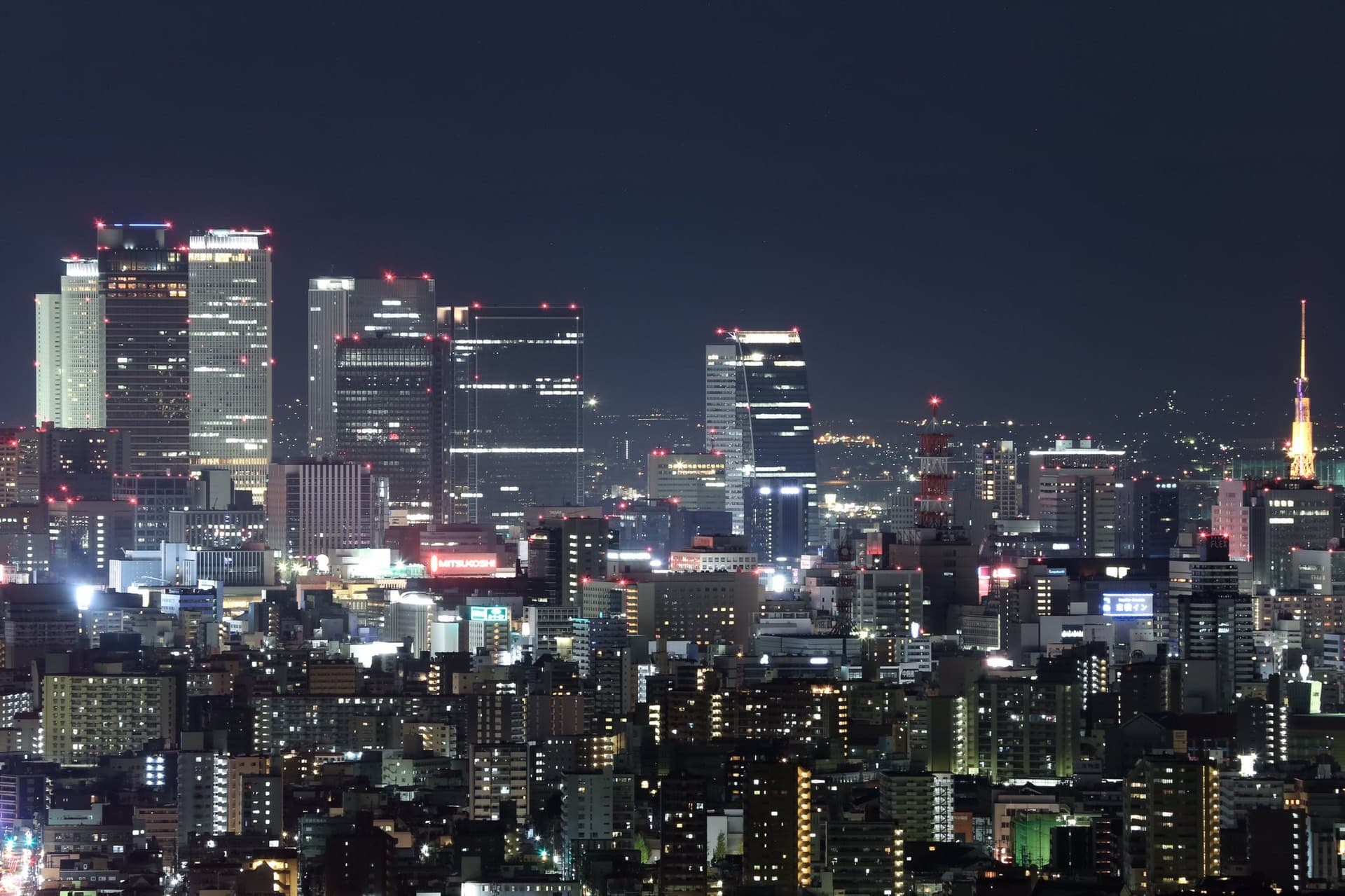
Where to Stay in Nagoya: Best Areas for First-Time Visitors
Which Nagoya area fits your trip — Shinkansen convenience, or dining, nightlife, and walkable atmosphere?
- Category
- Travel
- Central Question
- Which Nagoya area fits your trip — Shinkansen convenience, or dining, nightlife, and walkable atmosphere?
Which Nagoya feels like your trip?
Choose the atmosphere that feels right to you before reading further.
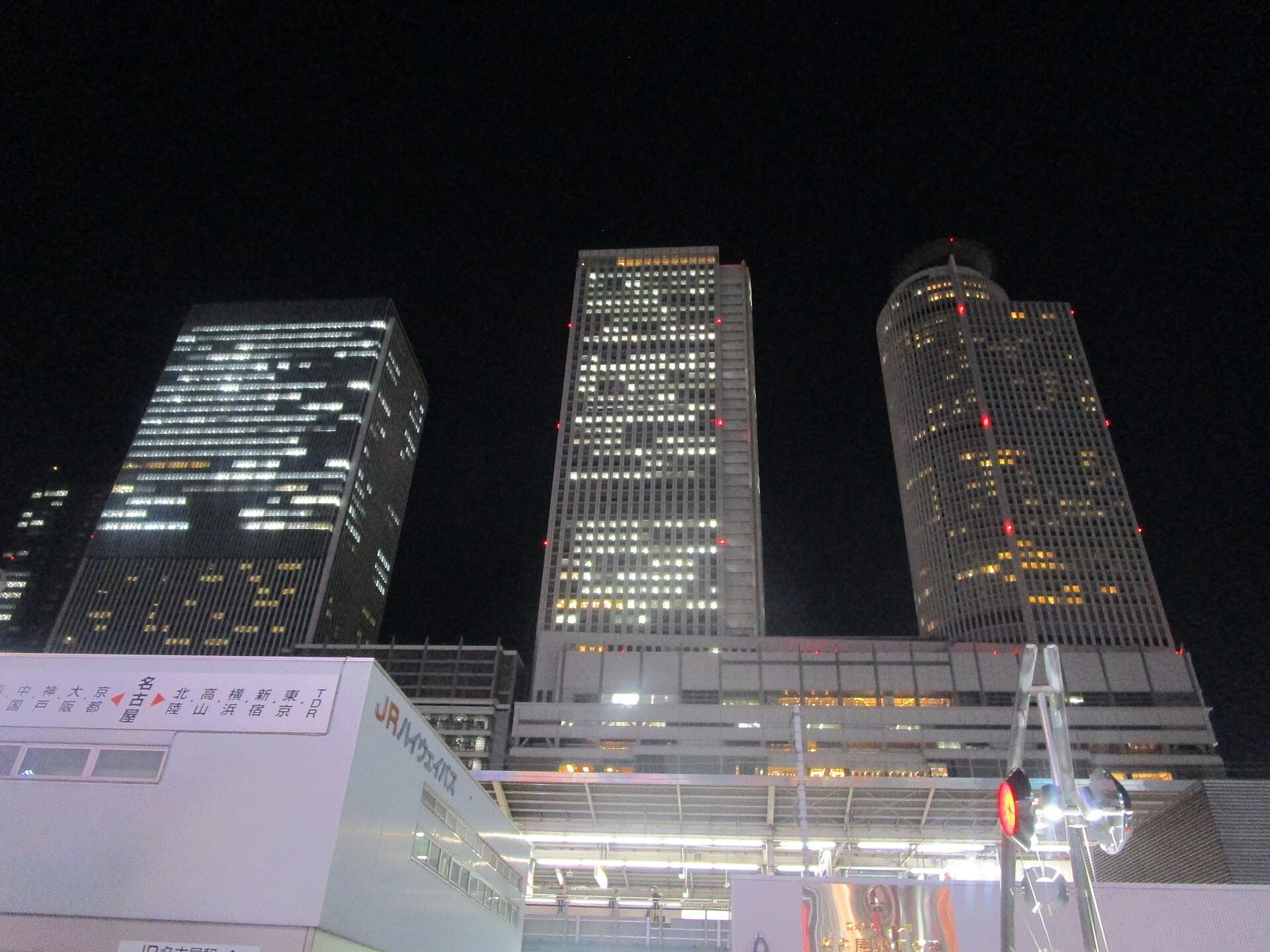
Nagoya Station
Rail gateway energy — Shinkansen towers, Meitetsu airport access, and day-trip departures for Gifu and Inuyama.
- Shinkansen hub
- Airport express
- Day-trip base
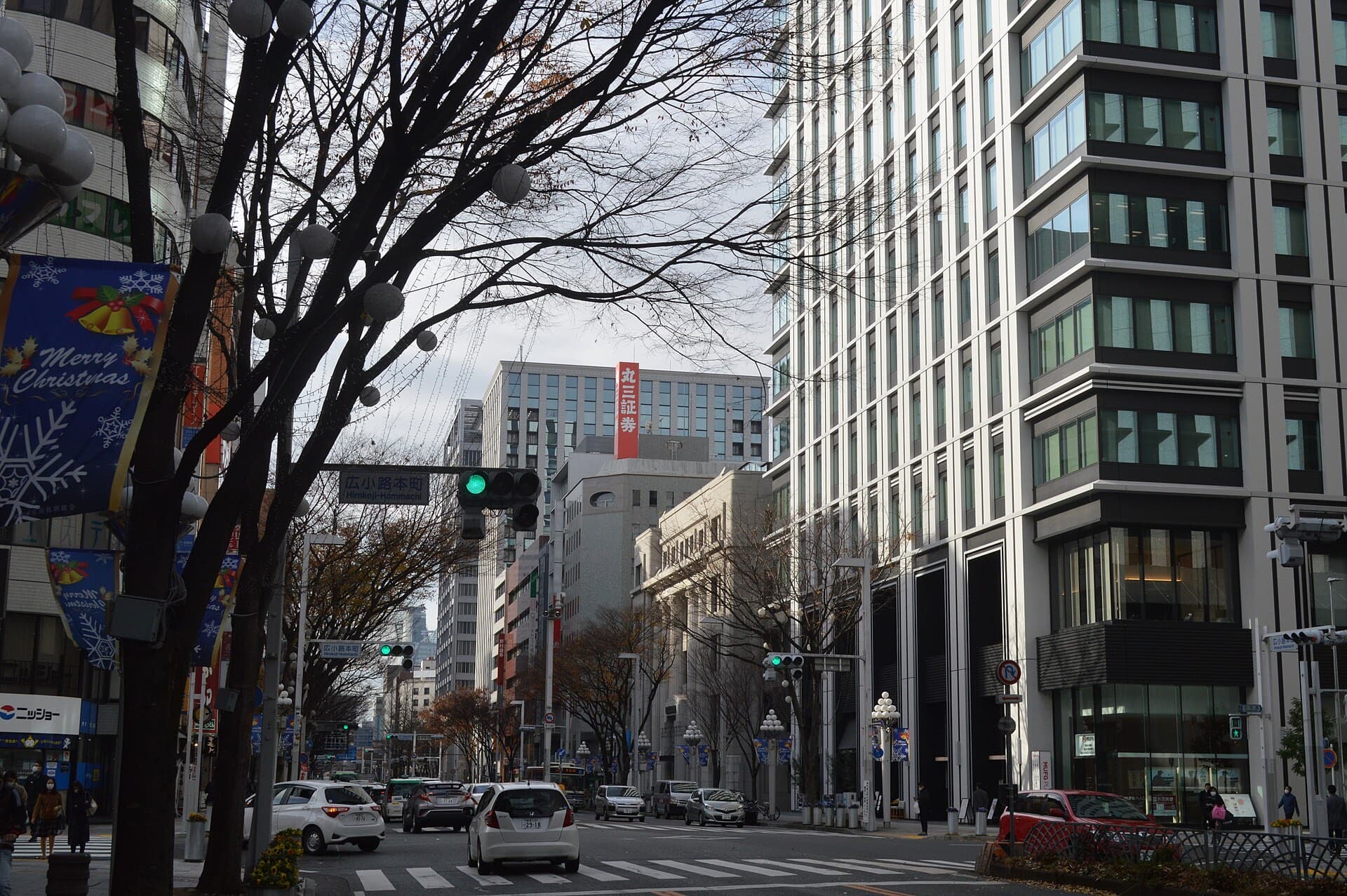
Fushimi
Quiet central rhythm — office towers, Hirokoji-dori avenue, and an easy walk between the station and Sakae.
- Central base
- Business district
- Quiet evenings
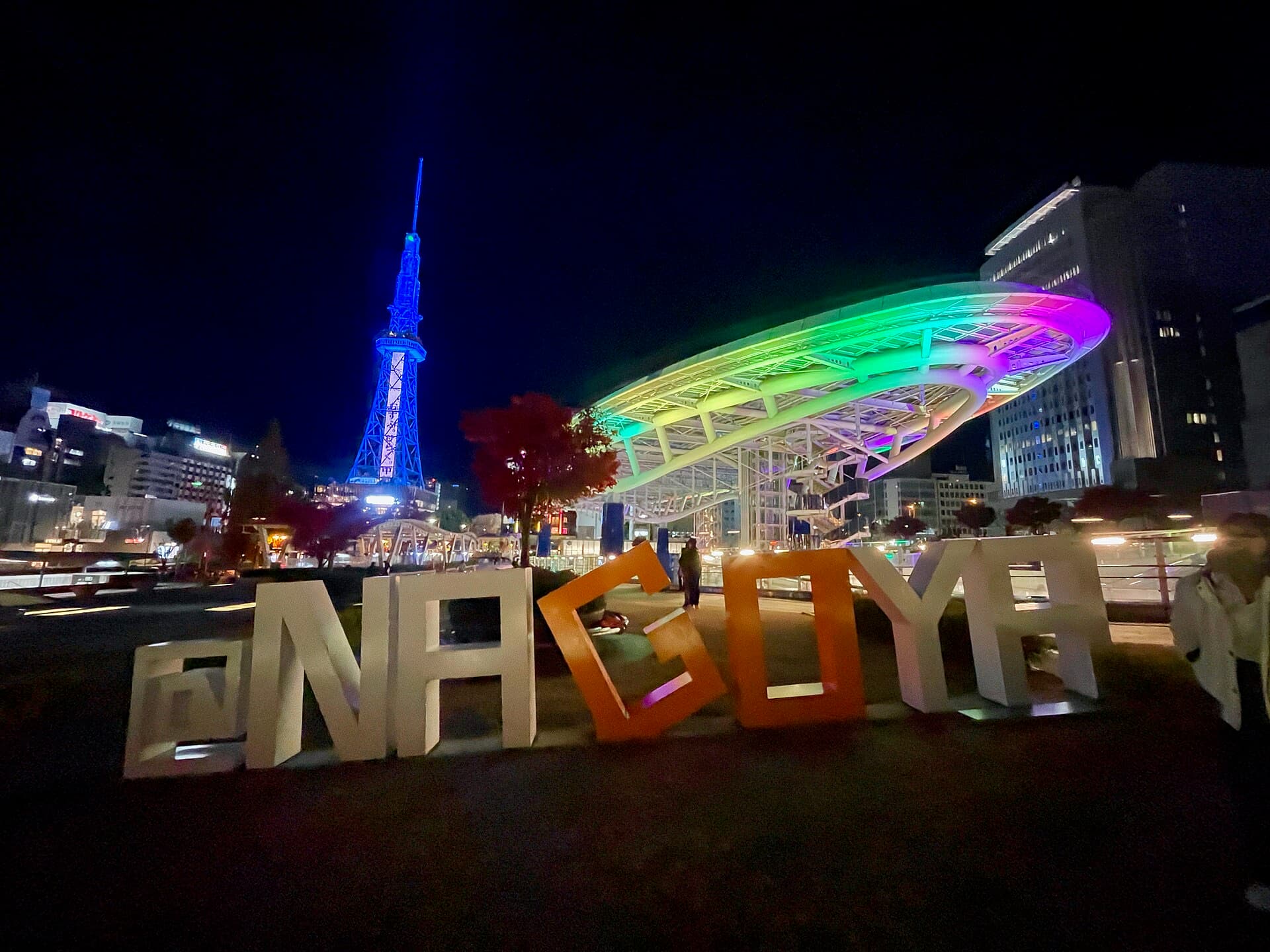
Sakae
Dense evening energy — MIRAI Tower, Oasis 21, and Nagoya's largest concentration of restaurants and nightlife.
- Nightlife core
- Shopping
- Late evenings
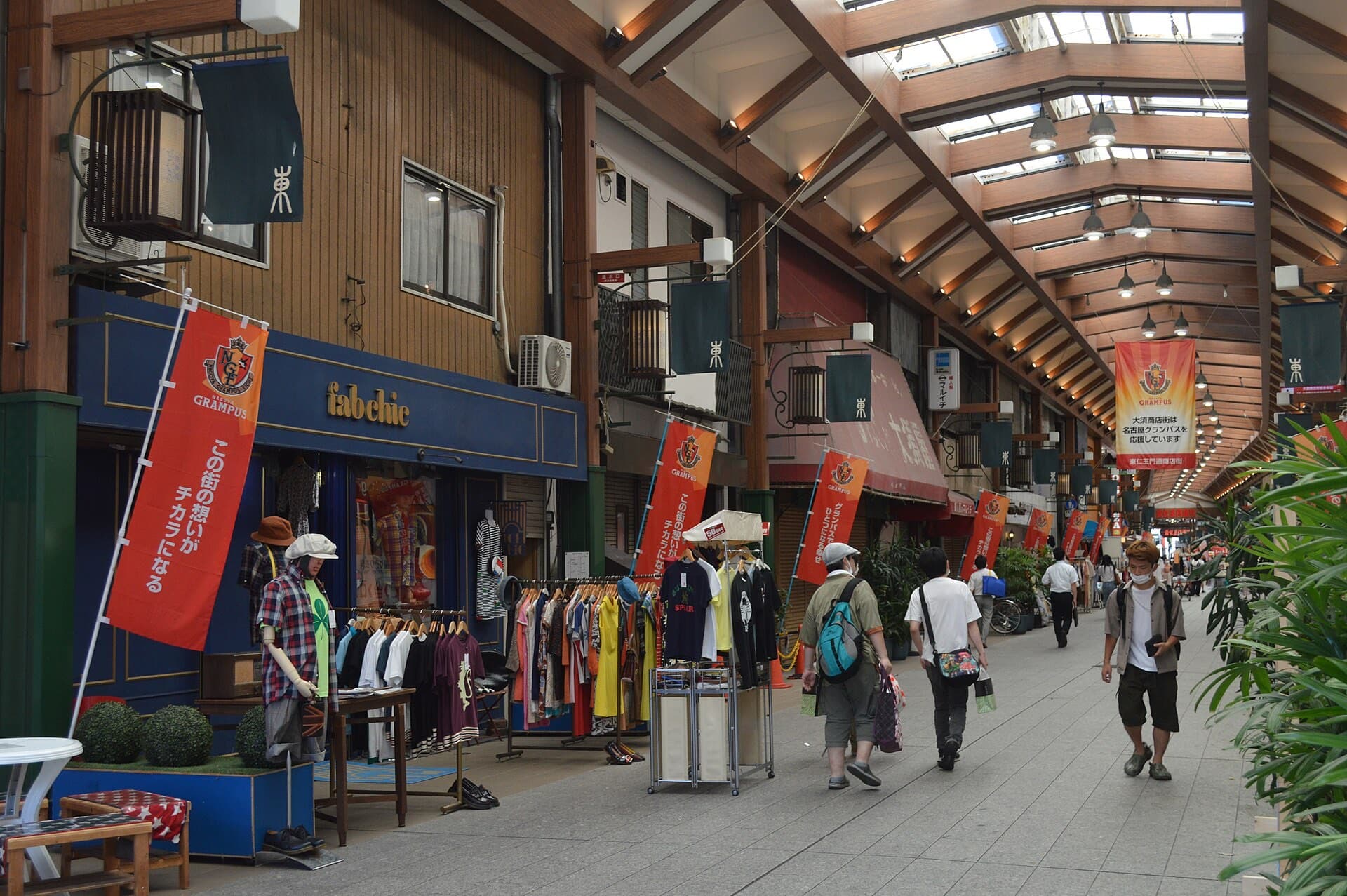
Osu
Local arcade character — covered shopping streets, vintage stores, and casual food around Osu Kannon Temple.
- Covered arcade
- Vintage shopping
- Local atmosphere
Nagoya Station
Rail gateway energy — Shinkansen towers, Meitetsu airport access, and day-trip departures for Gifu and Inuyama.
- Shinkansen hub
- Airport express
- Day-trip base
Fushimi
Quiet central rhythm — office towers, Hirokoji-dori avenue, and an easy walk between the station and Sakae.
- Central base
- Business district
- Quiet evenings
Sakae
Dense evening energy — MIRAI Tower, Oasis 21, and Nagoya's largest concentration of restaurants and nightlife.
- Nightlife core
- Shopping
- Late evenings
Osu
Local arcade character — covered shopping streets, vintage stores, and casual food around Osu Kannon Temple.
- Covered arcade
- Vintage shopping
- Local atmosphere
Image credits
- Nagoya Station — Wikimedia Commons (Aichi-Nagoya-JR-Central-Towers..jpg) by MDXF — CC BY-SA 4.0
- Fushimi — Wikimedia Commons (Nagoya Fushimi Hirokoji Honmachi 2020-12 ac (2).jpg) by Asturio Cantabrio — CC BY-SA 4.0
- Sakae — Wikimedia Commons (@Nagoya and Oasis21 and Nagoya TV Tower at night.jpg) by Kyu3a — CC BY-SA 4.0
- Osu — Wikimedia Commons (Osu Higashi Niomon Street 2021-07 ac (1).jpg) by Asturio Cantabrio — CC BY-SA 4.0
Nagoya sits at the center of Japan's rail network — the Tokaido Shinkansen crosses it, Meitetsu reaches the airport, and JR lines fan out to Gifu, Ise, and the mountains beyond. That centrality is also why choosing a base takes more thought than it looks: the district built for those connections is not the district where Nagoya's food and nightlife actually happen.
Sakae, a short subway ride east, holds the restaurants, shopping, and after-dark energy most visitors associate with a city stay. Osu, just south, keeps a covered arcade of vintage shops and street food that feels like a different city entirely. Fushimi sits quietly between all of this, close to everything and loud with none of it.
This guide compares four areas on one trade-off: how much transport convenience you give up for atmosphere, or how much atmosphere you give up for convenience.
The Short Answer
Stay at Nagoya Station if you're arriving by Shinkansen on a tight schedule, connecting to Chubu Centrair Airport, or building day trips to Gifu, Inuyama, or further afield. It's efficient and businesslike, not a place to linger after dinner.
Stay in Fushimi for a quiet, central base — equidistant from the station and Sakae, with craft beer bars and small izakayas that draw a local crowd rather than a tourist one. It suits travelers who want convenience without noise.
Stay in Sakae if restaurants, shopping, and nightlife are the point. MIRAI Tower and Oasis 21 anchor an evening scene that runs late, at the cost of a longer ride back to the Shinkansen platform.
Stay in Osu for neighborhood character — a covered arcade of vintage clothing, cafés, and street food that rewards wandering rather than checking off sights. It's the least convenient option for early departures or rail-heavy itineraries.
Kanayama, Nagoya's second-largest transit hub, is worth knowing about but isn't a fifth neighborhood choice — see below.
If you remember one thing: decide whether tonight is about tomorrow's train or tonight's dinner. That answer picks the area faster than any hotel filter.
Which Area Fits Your Nagoya Trip?
Four areas, one trade-off — transport convenience against atmosphere. Here's when each wins.
Four areas — each trades convenience for atmosphere differently.
Stay at Nagoya Station
Shinkansen or Centrair connections, early departures, or regional day trips anchor your schedule.
Strong for rail-through trips; weakest for evening atmosphere at the door.
Stay in Fushimi
You want a quiet, central base without committing to nightlife noise.
Equidistant from the station and Sakae; understated rather than dull.
Stay in Sakae
Dining, shopping, and nightlife define the trip, not the train schedule.
Best evening energy; a longer ride back to the Shinkansen.
Stay in Osu
Local street atmosphere, vintage shopping, and casual food matter more than rail access.
Distinct neighborhood character; weakest for early or rail-heavy itineraries.
Kanayama is a transport alternative, not a fifth neighborhood column — covered separately below.
Comparing Nagoya Areas
Read the columns side by side. Each area solves a different night, not a better one.
Four areas compared on the same criteria — not ranked.
| Criteria | Nagoya Station | Fushimi | Sakae | Osu |
|---|---|---|---|---|
| Shinkansen access | At the door | One subway stop | Two subway stops | Two to three stops |
| Airport access | Meitetsu direct | One stop to transfer | Short subway + transfer | Short subway + transfer |
| Dining | Concourse and malls | Local izakaya, craft beer | Nagoya's densest concentration | Street food, cafés |
| Evening atmosphere | Quiet, businesslike | Quiet after early evening | Loud, lit late | Calm — arcade closes early |
| Neighborhood character | Low — transit-first | Understated | Distinct — high-rise, commercial | Distinct — retro, local |
| Day-trip convenience | Best — no transfer | Short walk to station | Short subway ride | Short subway ride |
| Main drawback | No atmosphere at the door | Less distinctive character | Longer ride to Shinkansen | Least convenient for rail-heavy trips |
Shinkansen access
- Nagoya Station
- At the door
- Fushimi
- One subway stop
- Sakae
- Two subway stops
- Osu
- Two to three stops
Airport access
- Nagoya Station
- Meitetsu direct
- Fushimi
- One stop to transfer
- Sakae
- Short subway + transfer
- Osu
- Short subway + transfer
Dining
- Nagoya Station
- Concourse and malls
- Fushimi
- Local izakaya, craft beer
- Sakae
- Nagoya's densest concentration
- Osu
- Street food, cafés
Evening atmosphere
- Nagoya Station
- Quiet, businesslike
- Fushimi
- Quiet after early evening
- Sakae
- Loud, lit late
- Osu
- Calm — arcade closes early
Neighborhood character
- Nagoya Station
- Low — transit-first
- Fushimi
- Understated
- Sakae
- Distinct — high-rise, commercial
- Osu
- Distinct — retro, local
Day-trip convenience
- Nagoya Station
- Best — no transfer
- Fushimi
- Short walk to station
- Sakae
- Short subway ride
- Osu
- Short subway ride
Main drawback
- Nagoya Station
- No atmosphere at the door
- Fushimi
- Less distinctive character
- Sakae
- Longer ride to Shinkansen
- Osu
- Least convenient for rail-heavy trips
Kanayama sits outside this table — see the dedicated section below.
Nagoya Station
Nagoya Station is where the Tokaido Shinkansen, Meitetsu, Kintetsu, and JR lines converge beneath the JR Central Towers and JR Gate Tower. The Meitetsu Airport Express reaches Chubu Centrair in as little as half an hour, and regional JR lines toward Gifu and beyond leave from the same concourse.
Evenings here are functional: department store restaurant floors and hotel dining rather than a street to wander. Sakae's restaurants and Osu's arcade are a short subway ride away, not a walk from the hotel door.
This area suits rail-through itineraries — an early Shinkansen departure, a Centrair connection, or a stay built around day trips — more than a first Nagoya evening spent exploring on foot. It suits poorly anyone expecting neighborhood character at the hotel entrance; the station district is built for movement, not lingering.
The practical nuance: Nagoya Station has two very different sides — Sakura-dori and Taiko-dori exits lead to distinct hotel and business clusters. Confirm which exit your hotel sits near before booking; the two sides are not interchangeable on foot with luggage.
Fushimi
Fushimi is Nagoya's quiet core — one subway stop east of the station on the Higashiyama Line, and roughly equidistant from Sakae in the other direction. The architecture is office towers and financial institutions along Hirokoji-dori; the streets empty out earlier than Sakae's.
Evenings settle into a small cluster of craft beer bars and izakayas that draw more local regulars than visitors. It's a base for sleeping well and walking to everything else, not a destination in its own evening.
This area suits business travelers, families, and anyone who wants central access without central noise. It suits poorly travelers hoping their hotel neighborhood itself will be the evening's entertainment — Fushimi's role is proximity, not atmosphere.
The practical nuance: Fushimi's hotel stock leans toward business and mid-range chains rather than boutique properties, a reasonable trade for the location.
Sakae
Sakae is Nagoya's commercial and entertainment core, built around the Nagoya TV Tower (MIRAI Tower), Oasis 21's illuminated plaza, and Hisaya-odori Park. It is where department stores, restaurants, and nightlife concentrate most densely in the city.
Evenings run late in the side streets east and south of the main Sakae crossing — bars, karaoke, and standing counters that stay lit well past when Fushimi has gone quiet. Sleeping inside Sakae means the walk home after dinner is short, not a subway transfer.
This area suits travelers who want Nagoya to feel like a city stay rather than a transport stop, and anyone prioritizing restaurants and shopping over early rail departures. It suits poorly light sleepers and travelers with an early Shinkansen — the ride back to the station adds a genuine, if short, transfer.
The practical nuance: Sakae is large enough that "near Sakae" can mean a five-minute walk from Oasis 21 or a much longer one — check the exact block, not just the district name.
Osu
Osu is Nagoya's local shopping arcade — roughly 1,700 meters of covered streets and around 1,200 shops built around Osu Kannon Temple, ranging from decades-old vintage clothing to manga, electronics, and street food stalls. On the 18th and 28th of each month, an antique market fills the temple grounds.
Evenings are quieter than Sakae's — many arcade shops close by early evening, leaving a scattering of restaurants and bars rather than a nightlife district. Rain is a non-issue here; the arcade's cover is close to continuous.
This area suits travelers who prefer casual, neighborhood-scale exploration over checklist sightseeing, and anyone drawn to vintage shopping and street food over restaurant reservations. It suits poorly rail-heavy itineraries — Osu sits furthest from Nagoya Station of the four areas, with more subway transfer time attached to an early departure.
The practical nuance: Osu's hotel options are fewer and smaller than in the other three areas, since the arcade itself is built for shopping rather than lodging — book earlier than you would for Sakae or the station.
Kanayama
Kanayama is Nagoya's second-largest transit hub — JR Tokaido and Chuo lines, Meitetsu's Nagoya Main Line, and the subway's Meijo and Meiko lines converge here, and it's also a Meitetsu Centrair Airport Express stop. It solves one specific problem: travelers whose itinerary leans south or east of central Nagoya, or who want airport access without the size and crowding of Nagoya Station itself.
It is not a fifth neighborhood option alongside Sakae or Osu — the immediate area around Kanayama is transit infrastructure rather than a walkable district, and most visitors pass through rather than stay. Consider it only if a specific connection — a southern day trip, a quieter airport transfer — makes it genuinely useful for your itinerary.
Common Mistakes
Booking "Nagoya Station" without checking which exit — Sakura-dori and Taiko-dori sides serve different hotel clusters and aren't a quick walk apart with luggage.
Assuming Kanayama is a normal base because it appears on transit maps as a major stop. It's a transfer hub, not a neighborhood to sleep in.
Planning an early Shinkansen departure from a Sakae hotel without budgeting the subway transfer time back to the station.
Treating Osu as a full-day destination rather than a few focused hours — many shops close earlier than department stores in Sakae, and the antique market runs only on the 18th and 28th.
Common First-Time Questions
Do I need more than one night in Nagoya?
One night covers a station-to-Sakae evening. Two nights let you add Osu unhurried, plus a regional day trip like Gifu or Inuyama.
Should I split my stay between two areas?
Rarely necessary — Fushimi's central position already puts Sakae and the station within a short subway ride, without changing hotels mid-trip.
Is Kanayama worth building a stay around?
Only if a specific connection justifies it — a southern day trip or a quieter Centrair transfer. Otherwise it's a station you pass through, not a base.
Can I reach Chubu Centrair Airport directly from Sakae or Osu?
Not directly — both require a subway or short train connection to Nagoya Station or Kanayama first to pick up the Meitetsu Airport Express.
Are Gifu, Inuyama, Ise, and Takayama realistic as day trips from any of these areas?
Yes for Gifu and Inuyama, both under 30 minutes from Nagoya Station. Ise and Takayama take longer and reward an earlier start regardless of which area you sleep in.
Before You Go
Confirm your Shinkansen arrival or Centrair connection before choosing between Nagoya Station and a downtown base — How to Use the Shinkansen in Japan and Is the Japan Rail Pass Worth It? cover the rail side of that decision.
Load an IC card before relying on the subway between areas — see IC Cards in Japan.
Read Airport Arrival Guide: Your First Hours in Japan if Chubu Centrair is your entry point.
Pair the trip with When Is the Best Time to Visit Japan? for seasonal planning beyond the area decision.
The right Nagoya base isn't the one with the most reviews — it's the one that matches what tonight is actually for. A Shinkansen changeover, a Sakae dinner, an Osu afternoon, and a Gifu or Inuyama day trip all pull toward different pins on the map.
Decide that one thing first — convenience or atmosphere — and the choice between Nagoya Station, Fushimi, Sakae, and Osu narrows on its own.
Ready to choose a specific place?
If you have compared Nagoya areas and know which base fits your trip, the next step is choosing a specific place within that area.
Stay near the places you will actually spend time — the station you will use most days, the streets you want after dinner, and the walks you want before coffee. Japan Atlas will add curated area collections here when editorial vetting is complete. For now, your neighborhood decision is the planning work that matters.
Future: neighborhood hotel collections by area — editorial picks chosen for station access and daily rhythm, not commission rankings.
Related Reading
Continue exploring this way of seeing Japan.