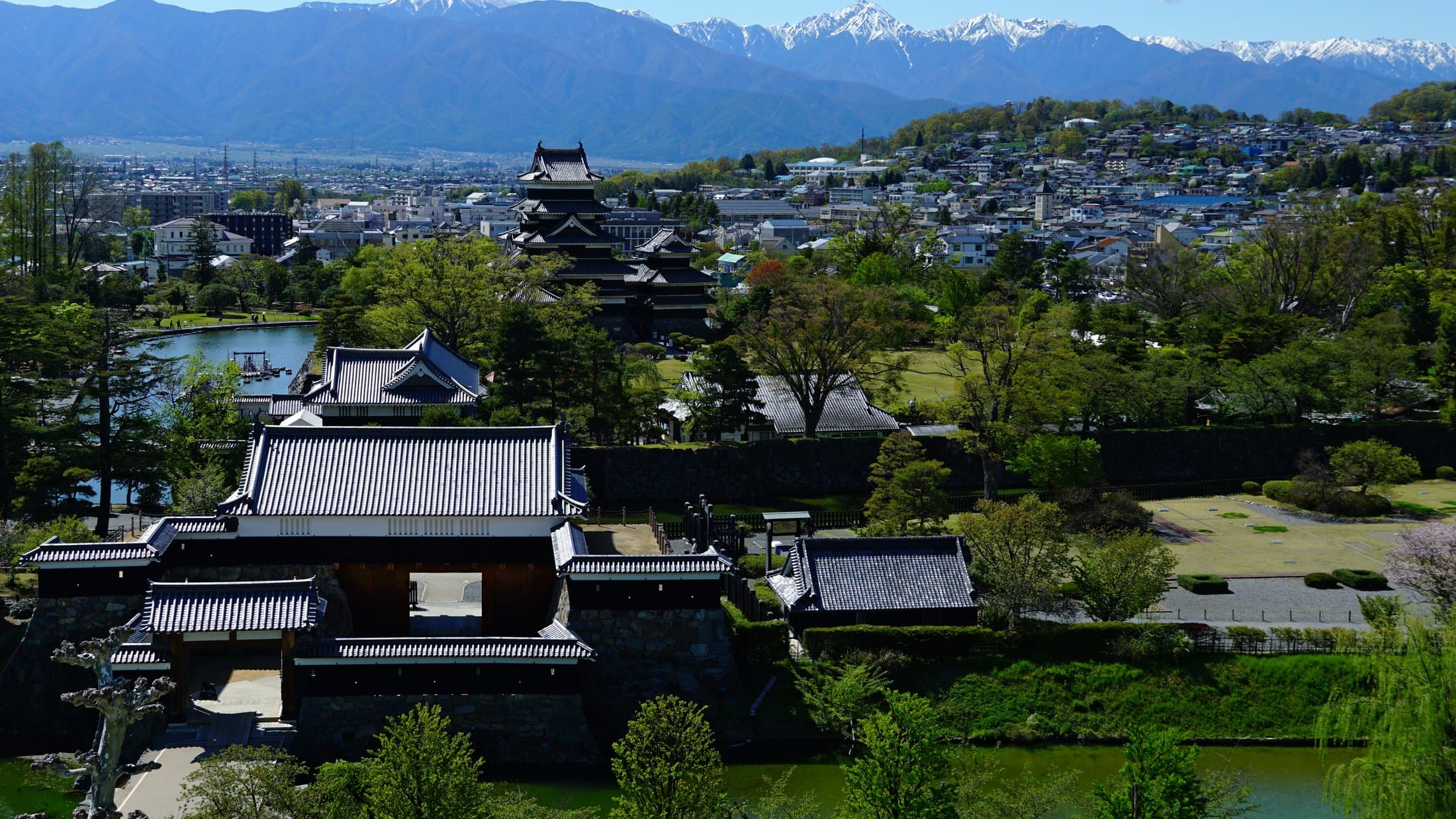
Where to Stay in Matsumoto: Best Areas for First-Time Visitors
Which Matsumoto area fits your trip — rail and mountain-bus convenience, castle-town atmosphere, quieter surroundings, or a separate onsen stay?
- Category
- Travel
- Central Question
- Which Matsumoto area fits your trip — rail and mountain-bus convenience, castle-town atmosphere, quieter surroundings, or a separate onsen stay?
Which Matsumoto feels like your trip?
Choose the atmosphere that feels right to you before reading further.
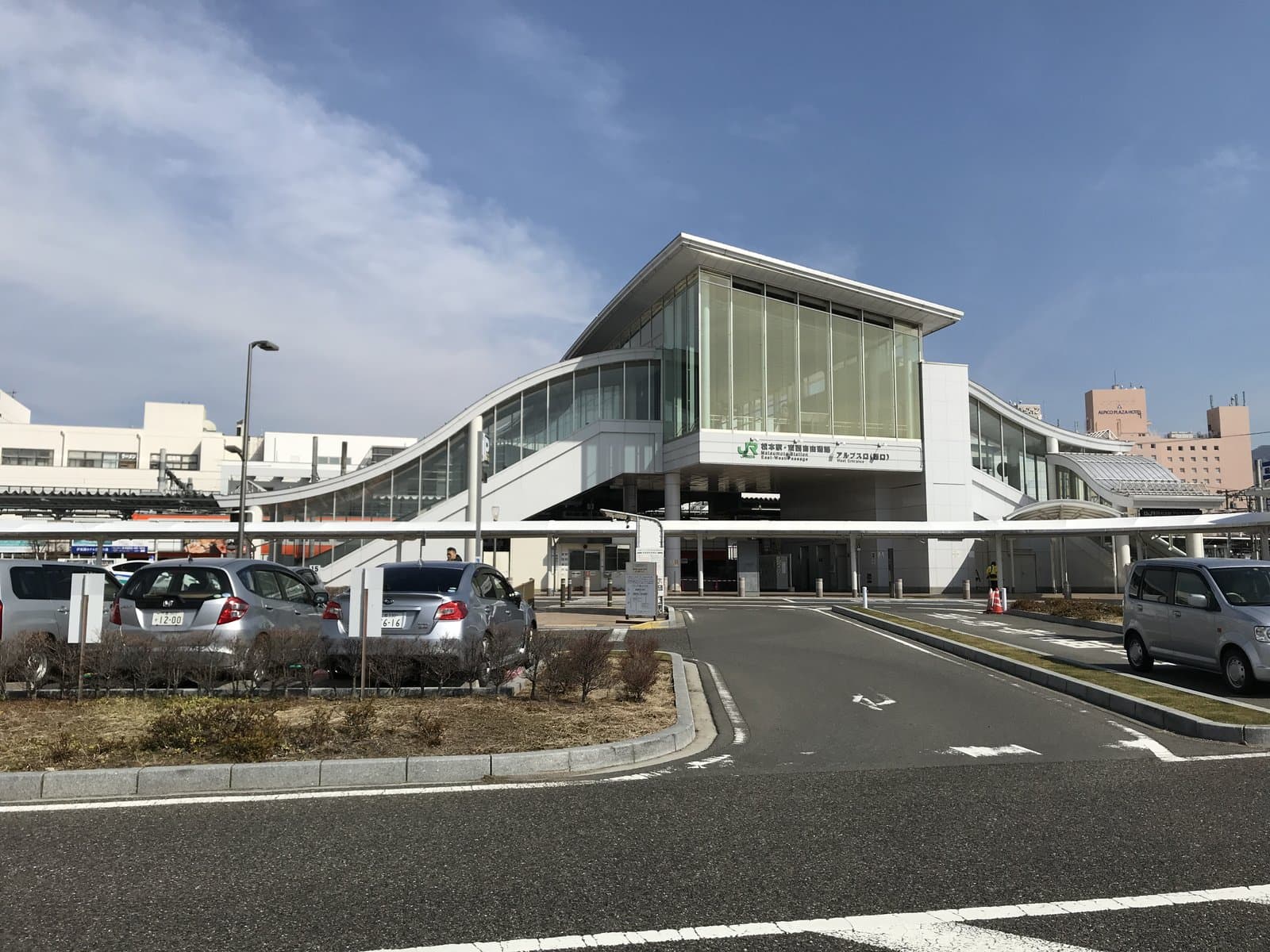
Matsumoto Station / Fukashi
The city's commercial core and transport hub — the station, bus terminal, and every regional connection in one place.
- Transport hub
- Practical
- Short stays
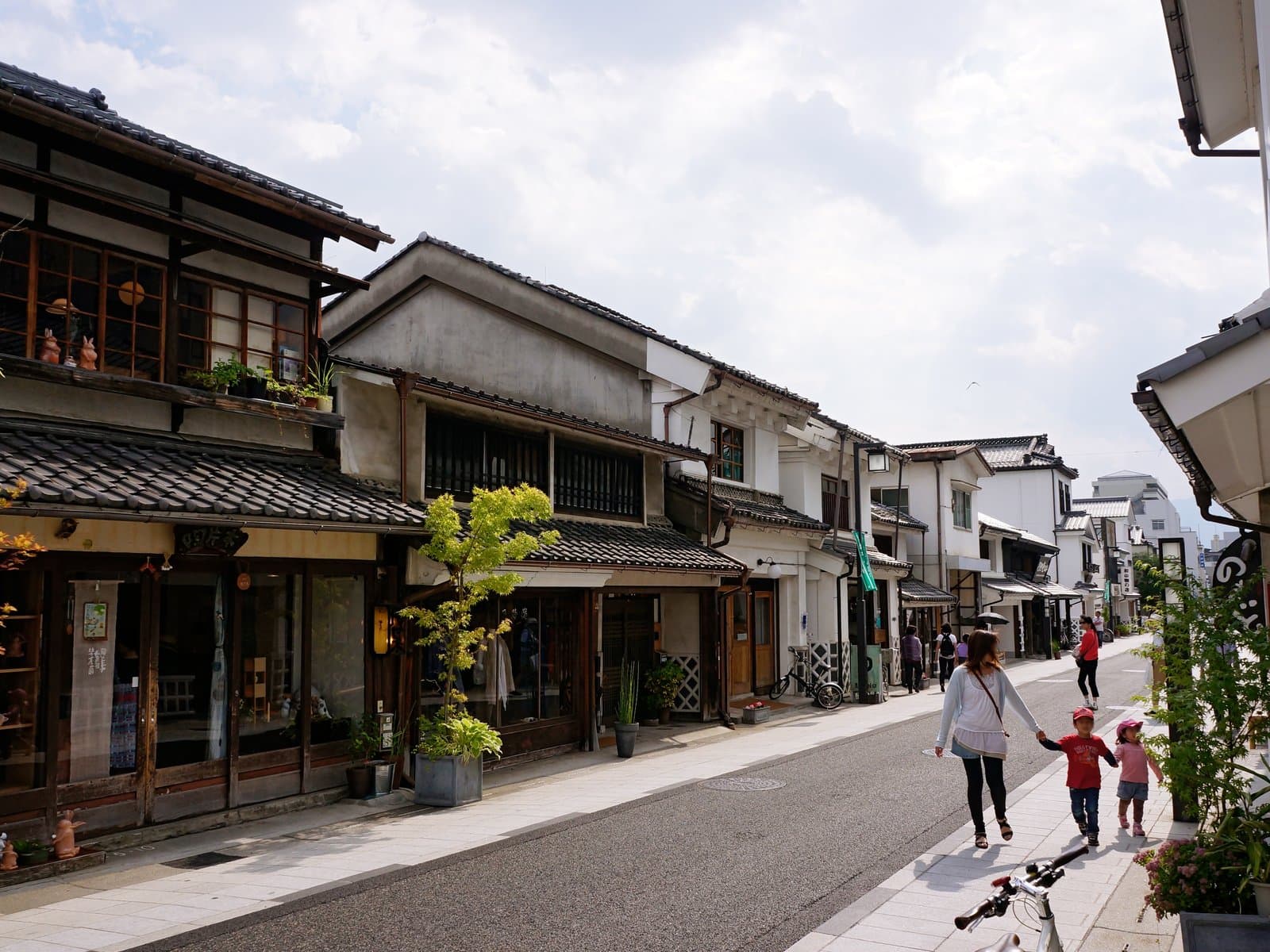
Nakamachi / Nawate-dori
Preserved kura-zukuri storehouse streets between the station and the castle — cafés, craft shops, and daytime character.
- Merchant streets
- Cafés
- Central
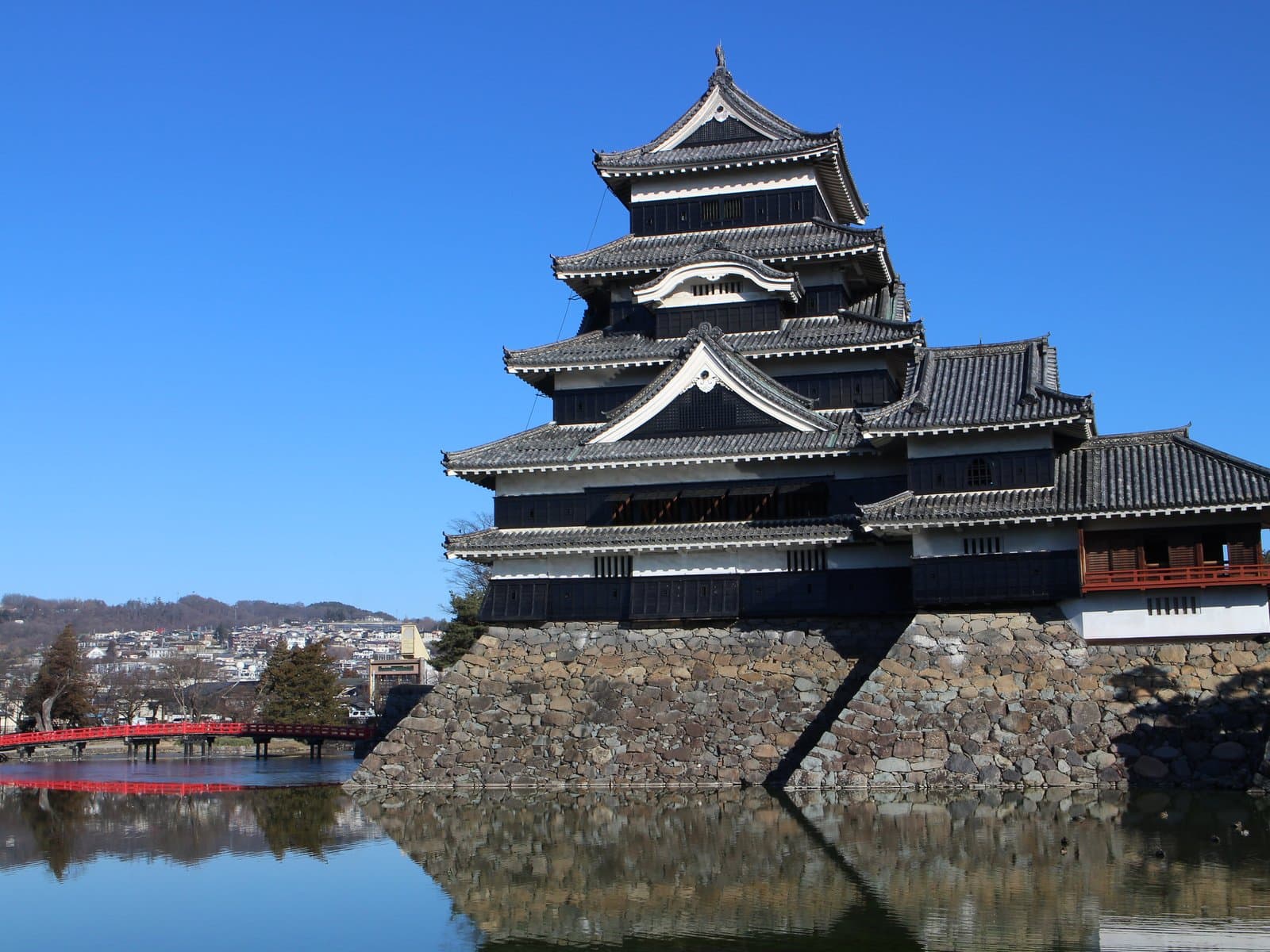
Matsumoto Castle / Ote
The castle's black keep rising over its moat — the closest possible view, with the quietest, slowest mornings and evenings in the city.
- Castle grounds
- Quiet
- Historic
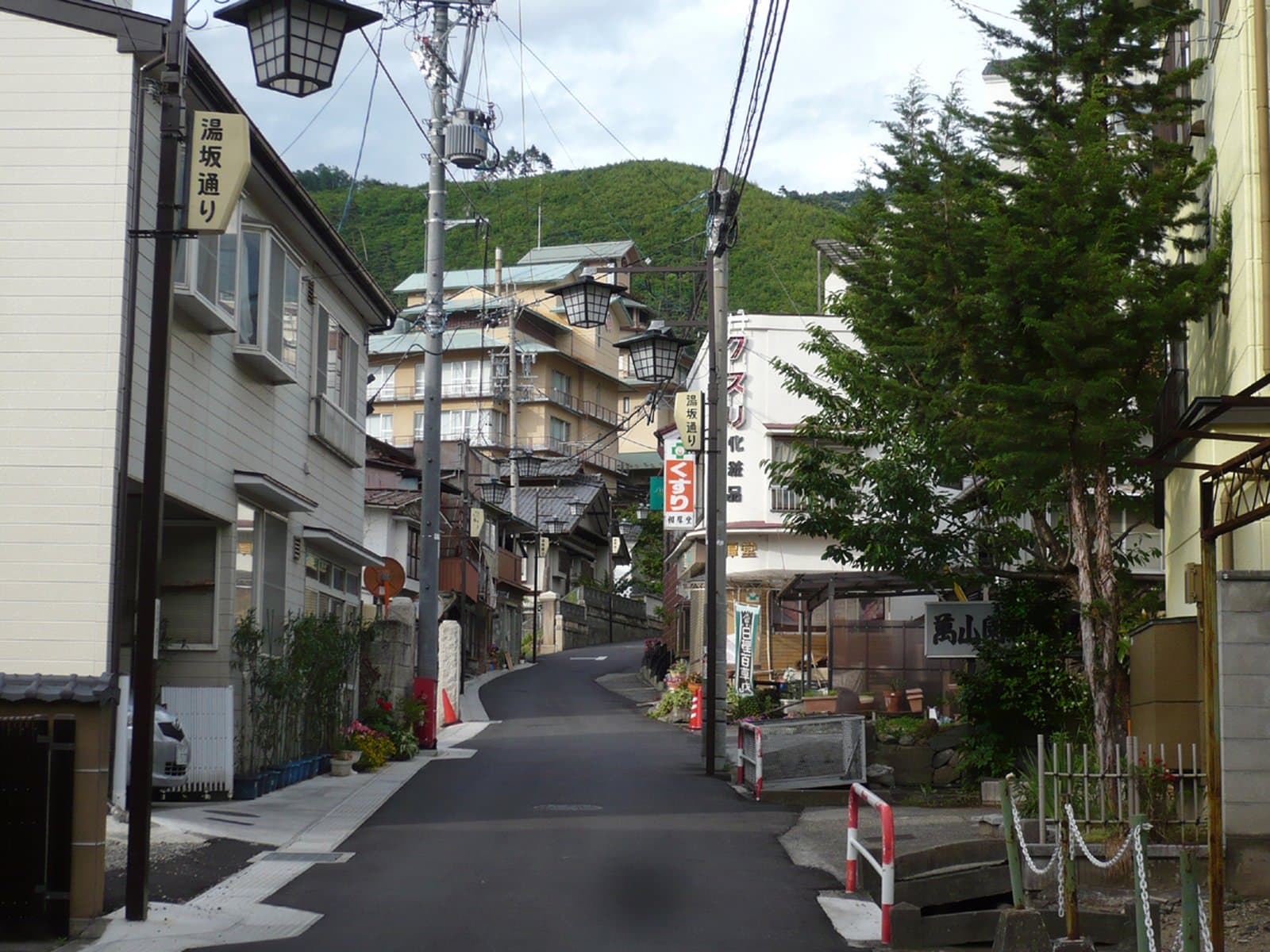
Asama Onsen
A separate hot-spring town in the hills above the city — ryokan streets and a slower pace, not a downtown Matsumoto base.
- Onsen town
- Separate stay
- Quiet
Matsumoto Station / Fukashi
The city's commercial core and transport hub — the station, bus terminal, and every regional connection in one place.
- Transport hub
- Practical
- Short stays
Nakamachi / Nawate-dori
Preserved kura-zukuri storehouse streets between the station and the castle — cafés, craft shops, and daytime character.
- Merchant streets
- Cafés
- Central
Matsumoto Castle / Ote
The castle's black keep rising over its moat — the closest possible view, with the quietest, slowest mornings and evenings in the city.
- Castle grounds
- Quiet
- Historic
Asama Onsen
A separate hot-spring town in the hills above the city — ryokan streets and a slower pace, not a downtown Matsumoto base.
- Onsen town
- Separate stay
- Quiet
Image credits
- Matsumoto Station / Fukashi — Wikimedia Commons (Matsumoto West Entrance 2018.jpg) by Tohnass — CC BY-SA 4.0
- Nakamachi / Nawate-dori — Wikimedia Commons (Nakamachi street Matsumoto Nagano pref Japan01s3.jpg) by 663highland — CC BY 2.5
- Matsumoto Castle / Ote — Wikimedia Commons (Matsumoto Castle Keep Tower 20170204-1.jpg) by Suicasmo — CC BY-SA 4.0
- Asama Onsen — Wikimedia Commons (浅間温泉街, panoramio) — CC BY-SA 3.0
Matsumoto packs a rail hub, a preserved castle, and a mountain-transport gateway into a city small enough to cross on foot — but the three roles don't sit in the same few blocks. The station handles nearly every regional connection, including the early buses toward Kamikochi that shape a surprising number of itineraries. The castle sits a walk away, with its own quieter streets around it. Between them run Nakamachi and Nawate-dori, the city's preserved merchant lanes.
Where you sleep changes which of these you wake up closest to. A station-area hotel suits an early Kamikochi departure; a room near the castle suits a slower morning walk before the crowds. Asama Onsen, a separate hot-spring district on the city's edge, solves a different need entirely.
The Short Answer
Stay at Matsumoto Station / Fukashi if you're staying briefly, catching an early Kamikochi bus or morning train, carrying heavy luggage, or want the widest evening dining choice. It's the most practical base — but the immediate area is commercial, and the castle itself is a walk away.
Stay in Nakamachi / Nawate-dori for a walkable position between the station and the castle, with preserved merchant buildings, cafés, and craft shops nearby. Accommodation choice is smaller here, and some streets are livelier by day than after dark.
Stay near Matsumoto Castle / Ote for early or evening walks around the moat and quieter historic surroundings. It's the least convenient for luggage and early transport, and dining thins out sooner than around the station.
Stay in Asama Onsen for a separate ryokan and hot-spring stay away from the center. It isn't a walkable Matsumoto neighborhood, and treating it as one complicates any early regional departure.
None of these is the default right answer — it depends on how you're arriving, how early you're leaving, and whether atmosphere or convenience matters more for this trip.
Which Area Fits Your Matsumoto Trip?
Four areas, one trade-off — rail and mountain-bus convenience against castle-town atmosphere, quieter surroundings, and a separate onsen stay.
Four areas — each trades convenience for atmosphere differently.
Stay at Matsumoto Station / Fukashi
Short stays, heavy luggage, an early Kamikochi bus or morning train, or the widest evening dining choice.
Most practical base; commercial rather than castle-town in feel.
Stay in Nakamachi / Nawate-dori
A walkable position between the station and the castle, with merchant-street character, matters most.
Fewer rooms; some streets quiet down after dark.
Stay near Matsumoto Castle / Ote
Early or evening castle walks and quieter historic surroundings matter more than station proximity.
Least convenient for luggage and early departures.
Stay in Asama Onsen
A separate ryokan and hot-spring stay, away from downtown, fits the trip.
Not walkable to the center; requires local transport.
Comparing Matsumoto Areas
Read the columns side by side. Each area solves a different visit, not a better one.
Four areas compared on the same criteria — not ranked.
| Criteria | Matsumoto Station / Fukashi | Nakamachi / Nawate-dori | Matsumoto Castle / Ote | Asama Onsen |
|---|---|---|---|---|
| Rail and bus access | Direct — hub itself | 10–15 min walk | 15–20 min walk | Local bus, ~20 min |
| Castle access | 15–20 min walk | 5–10 min walk | Immediate | Not walkable |
| Dining | Widest, latest hours | Moderate, café-leaning | Sparse, early closing | Ryokan-centered |
| Evening atmosphere | Livelier, later | Quiet once shops close | Quietest, residential | Onsen-town quiet |
| Luggage ease | Best | Fair | Limited | Fair, with transfer |
| Mountain-trip convenience | Best for early Kamikochi/Alpine Route departures | Good, short walk to station | Fair, walk to station first | Requires transfer to station first |
| Quiet | Moderate, some traffic | Moderate | Quiet | Quiet |
| Main drawback | Commercial, not castle-town | Smaller room choice | Least convenient for transport | Not a walkable neighborhood |
Rail and bus access
- Matsumoto Station / Fukashi
- Direct — hub itself
- Nakamachi / Nawate-dori
- 10–15 min walk
- Matsumoto Castle / Ote
- 15–20 min walk
- Asama Onsen
- Local bus, ~20 min
Castle access
- Matsumoto Station / Fukashi
- 15–20 min walk
- Nakamachi / Nawate-dori
- 5–10 min walk
- Matsumoto Castle / Ote
- Immediate
- Asama Onsen
- Not walkable
Dining
- Matsumoto Station / Fukashi
- Widest, latest hours
- Nakamachi / Nawate-dori
- Moderate, café-leaning
- Matsumoto Castle / Ote
- Sparse, early closing
- Asama Onsen
- Ryokan-centered
Evening atmosphere
- Matsumoto Station / Fukashi
- Livelier, later
- Nakamachi / Nawate-dori
- Quiet once shops close
- Matsumoto Castle / Ote
- Quietest, residential
- Asama Onsen
- Onsen-town quiet
Luggage ease
- Matsumoto Station / Fukashi
- Best
- Nakamachi / Nawate-dori
- Fair
- Matsumoto Castle / Ote
- Limited
- Asama Onsen
- Fair, with transfer
Mountain-trip convenience
- Matsumoto Station / Fukashi
- Best for early Kamikochi/Alpine Route departures
- Nakamachi / Nawate-dori
- Good, short walk to station
- Matsumoto Castle / Ote
- Fair, walk to station first
- Asama Onsen
- Requires transfer to station first
Quiet
- Matsumoto Station / Fukashi
- Moderate, some traffic
- Nakamachi / Nawate-dori
- Moderate
- Matsumoto Castle / Ote
- Quiet
- Asama Onsen
- Quiet
Main drawback
- Matsumoto Station / Fukashi
- Commercial, not castle-town
- Nakamachi / Nawate-dori
- Smaller room choice
- Matsumoto Castle / Ote
- Least convenient for transport
- Asama Onsen
- Not a walkable neighborhood
Matsumoto Station / Fukashi
Matsumoto Station combines the JR Shinano limited express platforms, the Oito Line toward Shinano-Omachi, and the adjacent bus terminal used for Kamikochi, Norikura, and Takayama services. Fukashi, the district immediately around the station, is Matsumoto's commercial core — department stores, chain restaurants, and business hotels rather than preserved architecture.
Staying here means every regional connection starts at your doorstep. The earliest Kamikochi buses are the sharpest example: reservations are required for the route, and a stay elsewhere in the city adds a walk or taxi ride onto an already early morning. The trade-off is atmosphere — Fukashi reads as an ordinary transit district, and the castle itself is a genuine walk rather than a stroll.
Evenings here run later and livelier than anywhere else in this comparison; restaurants and izakaya stay open past what the castle area or Nakamachi typically offer. Luggage is the most straightforward of any area — flat ground, taxi access, and station lockers.
Practical nuance: the bus terminal and the station function as one complex, but confirm which exit your accommodation sits near — the layout isn't obvious on a first visit, and the wrong exit adds unnecessary walking with bags.
Nakamachi / Nawate-dori
Nakamachi's white-plastered kura-zukuri storehouses and Nawate-dori's narrower shop-lined lane run between the station and the castle, roughly ten minutes from each. Staying here means daily walks past craft shops, cafés, and small galleries without committing fully to either the station's convenience or the castle area's quiet.
The trade-off is real: fewer properties operate directly on these streets, and the atmosphere that makes them appealing during the day — browsing, coffee stops, photography — thins out once shops close in the early evening. Nawate-dori in particular reads as a daytime shopping lane rather than a dinner destination.
Luggage and mountain-departure logistics both split the difference between the station and the castle — neither as simple as Fukashi nor as far as Ote. An early Kamikochi bus from here means a short walk or taxi to the terminal, manageable but not immediate.
Evenings mean a short walk toward the station for the widest dining choice, or toward the castle area for something quieter; Nakamachi itself has fewer standalone dinner options than either.
Practical nuance: the footbridges connecting Nakamachi to the castle side of the river are a pleasant walk by day but quiet and dim after dark — fine for most visitors, worth knowing if you're walking back late.
Matsumoto Castle / Ote
Ote, the district immediately around Matsumoto Castle, offers the closest possible access to the moat, the keep, and the quieter streets around Yohashira Shrine. Staying here means an early walk around the castle grounds before the first tour groups arrive, and an evening one after they've left — a different experience than treating the castle as a single daytime stop.
The trade-off is transport. This is the least convenient area in this comparison for an early regional departure — reaching the station and bus terminal takes 15–20 minutes on foot, longer with a full suitcase, and there's no shortcut around it. Dining also thins out faster here than around the station or Nakamachi; this is a quieter, more residential corner of the city center.
Luggage is manageable for a direct hotel check-in but adds real time if you're also catching an early bus — factor the walk into whatever departure you're planning, not just the castle visit itself.
Practical nuance: the castle's evening lighting and quieter grounds are a genuine reason to stay nearby rather than day-trip from elsewhere, but confirm a property's actual distance from the moat — "castle area" addresses vary more in real walking distance than station-area listings do.
Asama Onsen
Asama Onsen sits roughly four kilometers from the station, on the city's eastern edge, reached by a local bus in about twenty minutes from stops near the station's castle-side exit. It functions as a genuine onsen district — ryokan, public bathhouses, and a slower residential pace — rather than an extension of downtown Matsumoto.
Treat it as a separate stay, not a central Matsumoto neighborhood. None of the station, the castle, or Nakamachi is walkable from here, and any early regional departure means factoring in the bus transfer back to the station first — a real consideration if an early Kamikochi bus is part of the plan.
Evenings here are built around the ryokan itself rather than a street with independent dining options; that's the appeal for travelers seeking a quieter, hosted stay, and a limitation for anyone expecting to wander out for dinner.
Luggage is straightforward once you've arrived, since most ryokan handle it from the bus stop, but the transfer itself is an extra step compared to any of the three central areas.
Practical nuance: confirm the bus schedule back toward the station the night before an early departure — service outside peak hours runs less frequently than during the day.
Matsumoto versus Takayama
Matsumoto and Takayama are often compared as alternate bases for the Japanese Alps, and travelers sometimes assume one simply replaces the other. They don't solve the same trip. Matsumoto is generally stronger for rail connections — direct limited express service to Nagano, Tokyo, and Nagoya, plus the more practical gateway toward Kamikochi and Norikura — and its castle is a city-center landmark rather than a day-trip destination. Takayama offers a more extensive preserved old town and its own regional bus network toward Shirakawa-go and the Hida mountains.
Neither is the better choice in general — they answer different itinerary needs, and a highway bus connects the two cities in a few hours for travelers combining both. See Where to Stay in Takayama for that city's own area comparison.
Central Matsumoto versus Asama Onsen
Central Matsumoto — the station, Nakamachi, and the castle area — is built for transport, castle access, dining, and short stays. Asama Onsen is a separate onsen and ryokan experience on the city's edge, reached by a short bus ride rather than on foot.
Combining both works on a longer trip: a night or two centrally for the castle and regional transport, then a transfer out to Asama for the onsen stay. Booking one while expecting the other's convenience is the most common mistake tied to this comparison — an early Kamikochi departure from Asama, for instance, adds a bus transfer that a central stay doesn't require. See Ryokan vs Hotel in Japan for how to plan the onsen night itself.
Common Mistakes
Choosing a distant stay before an early Kamikochi departure. The earliest bus requires a reservation and rewards being close to the terminal — Asama Onsen or the castle area both add real time to that morning.
Treating Asama Onsen as a central neighborhood. It's a separate onsen district reached by bus, not a walkable extension of downtown Matsumoto.
Assuming the castle and station are immediately adjacent. They're a 15–20 minute walk apart, and photos of the castle rarely make that distance obvious.
Confusing Matsumoto with a direct Alpine Route base without checking the route. Reaching the Tateyama-Kurobe Alpine Route from Matsumoto involves a train to Shinano-Omachi and a further bus, not a direct link from the city center.
Common First-Time Questions
Do I need to reserve the Kamikochi bus in advance?
Yes — reservations are required for both outbound and return trips, and the earliest departure sells out first.
Is Matsumoto or Takayama the better base for the Alps?
Neither universally — Matsumoto suits rail connections and Kamikochi/Norikura access; Takayama suits a more extensive old town and its own regional bus network. Some itineraries include both.
How far is Asama Onsen from the city center?
Roughly four kilometers, about twenty minutes by local bus from stops near the station.
Can I reach the Tateyama-Kurobe Alpine Route directly from Matsumoto?
Not directly — the practical route involves a train to Shinano-Omachi and a further local bus, not a single service from the station.
Is Utsukushigahara Onsen a better choice than Asama Onsen?
Both are separate onsen districts outside the center — Utsukushigahara sits slightly further out with its own smaller cluster of ryokan; neither is walkable from downtown, and the choice mostly comes down to a specific property rather than the district itself.
Before You Go
Read Where to Stay in Takayama if that city is also on your route.
Where to Stay in Nagoya covers the city many Matsumoto itineraries connect through.
See Ryokan vs Hotel in Japan before booking an Asama Onsen night.
Load an IC card before relying on local buses where accepted — see IC Cards in Japan.
Luggage Forwarding in Japan is worth considering if an early regional departure is part of the plan.
Matsumoto rewards deciding first how you're arriving and leaving, and second what you want your mornings and evenings to feel like. Station convenience, walkable castle-town character, quiet moat-side mornings, and a separate onsen stay each solve a different version of this trip.
Decide that early, and the choice between these four areas — and whether Asama Onsen or a side trip toward Takayama belongs in the same itinerary — follows.
Ready to choose a specific place?
If you have compared Matsumoto areas and know which base fits your trip, the next step is choosing a specific place within that area.
Stay near the places you will actually spend time — the station you will use most days, the streets you want after dinner, and the walks you want before coffee. Japan Atlas will add curated area collections here when editorial vetting is complete. For now, your neighborhood decision is the planning work that matters.
Future: neighborhood hotel collections by area — editorial picks chosen for station access and daily rhythm, not commission rankings.
Related Reading
Continue exploring this way of seeing Japan.