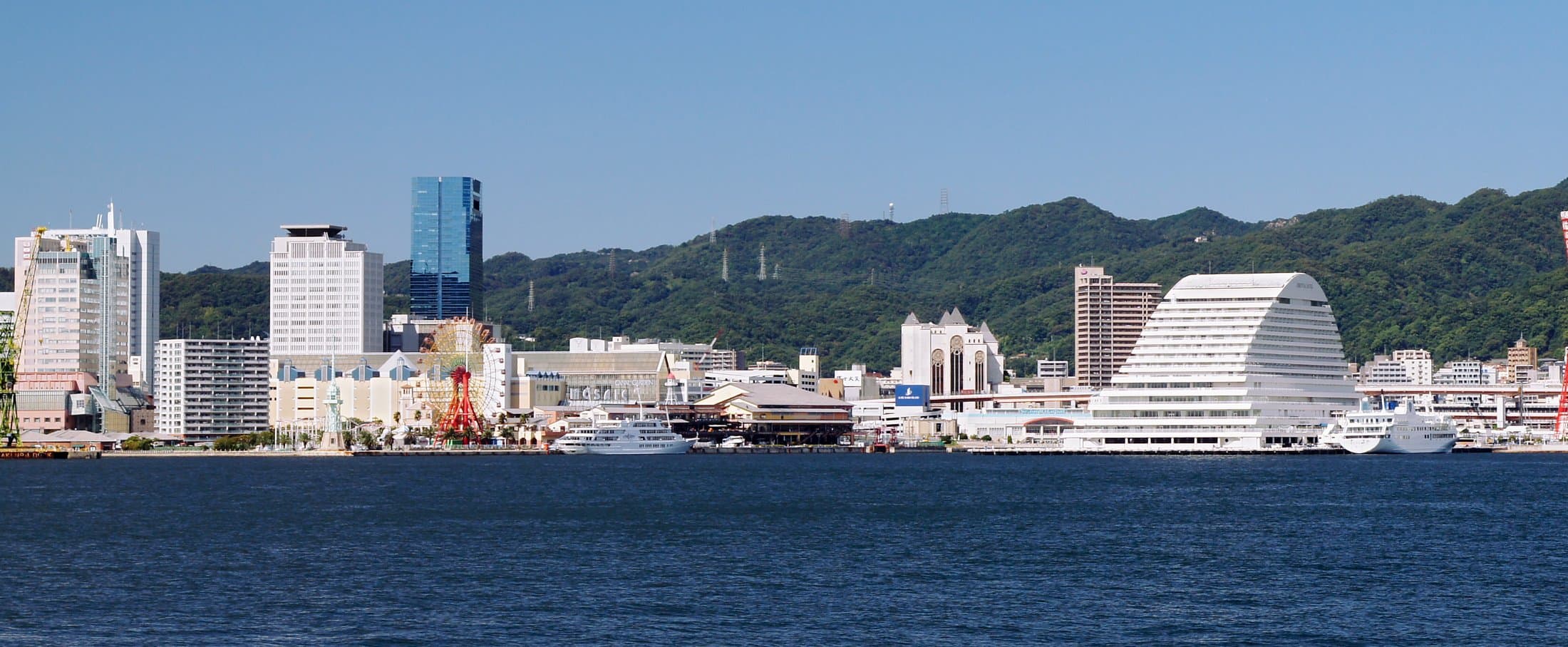
Where to Stay in Kobe: Best Areas for First-Time Visitors
Which Kobe area fits your trip — regional transport convenience, waterfront atmosphere, hillside character, or a separate onsen stay?
- Category
- Travel
- Central Question
- Which Kobe area fits your trip — regional transport convenience, waterfront atmosphere, hillside character, or a separate onsen stay?
Which Kobe feels like your trip?
Choose the atmosphere that feels right to you before reading further.
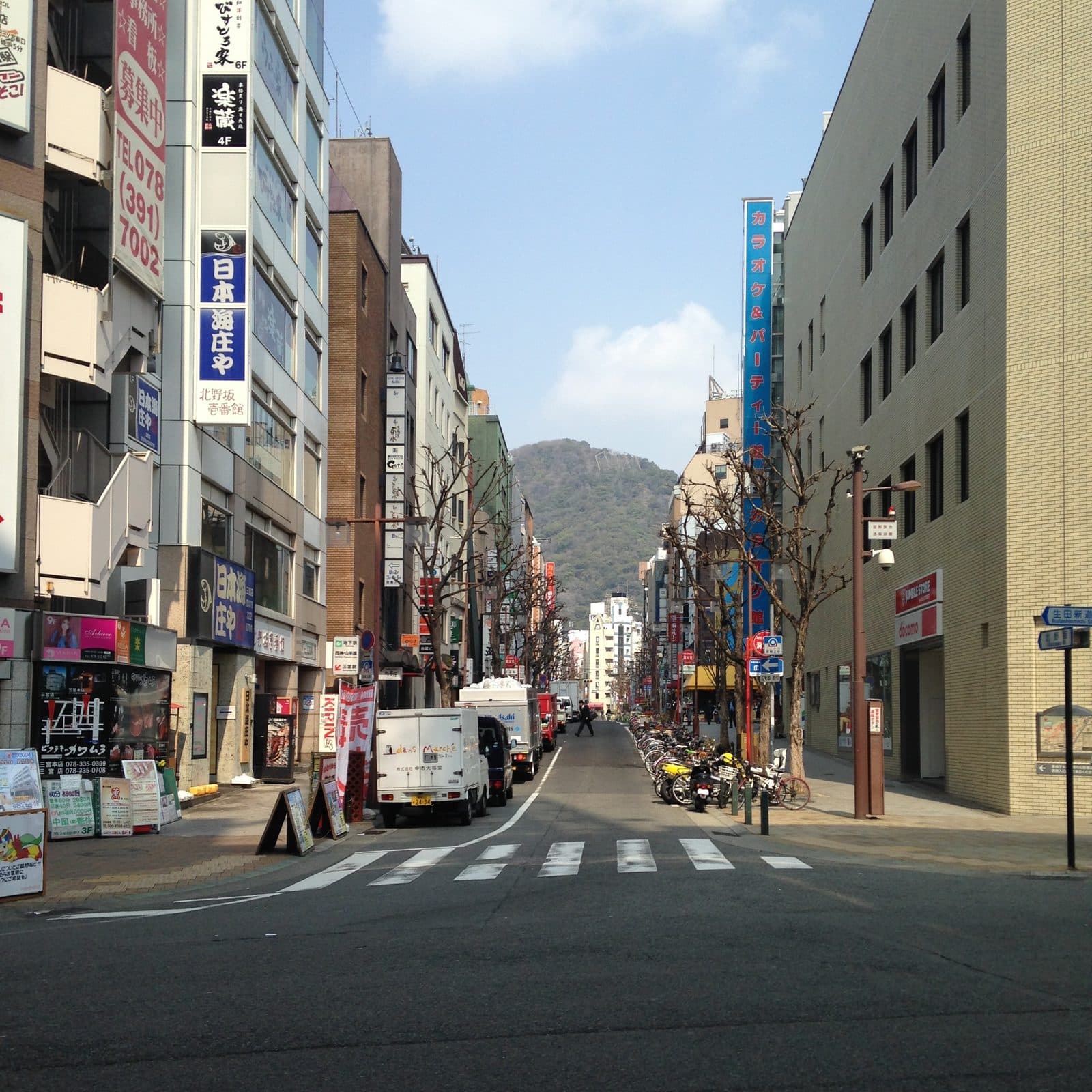
Sannomiya
Kobe's transport core — a dense commercial street grid with Mount Rokko rising at the end of the avenue.
- Transport hub
- Central
- Practical
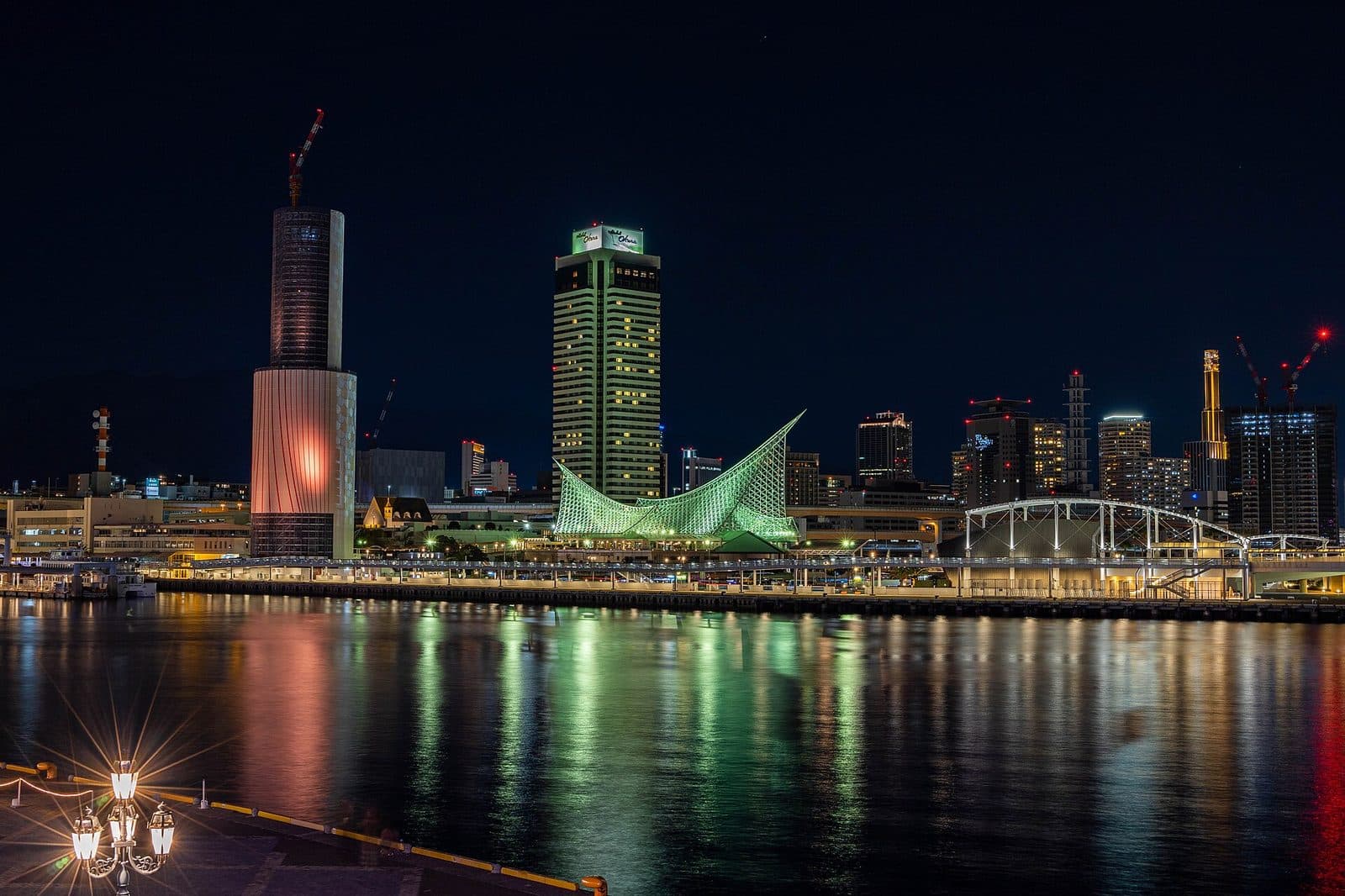
Motomachi / Harborland
Kobe's waterfront identity — Meriken Park's illuminated harbor, the Maritime Museum, and evening walks by the water.
- Waterfront
- Evening walks
- Port identity
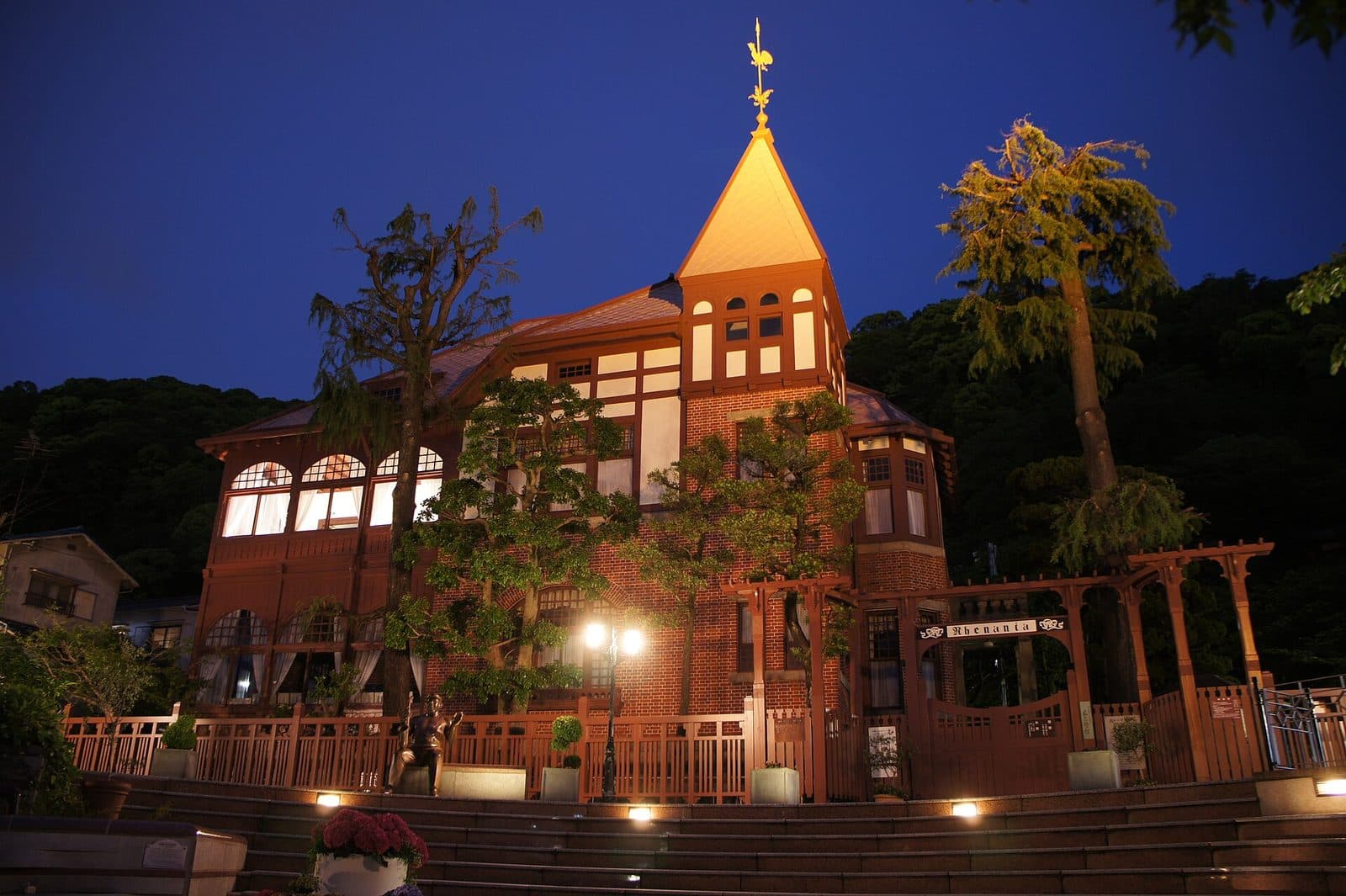
Kitano / Shin-Kobe
Hillside history above the city — preserved foreign residences on slopes reached uphill from the Shinkansen station.
- Hillside
- Historic houses
- Shinkansen
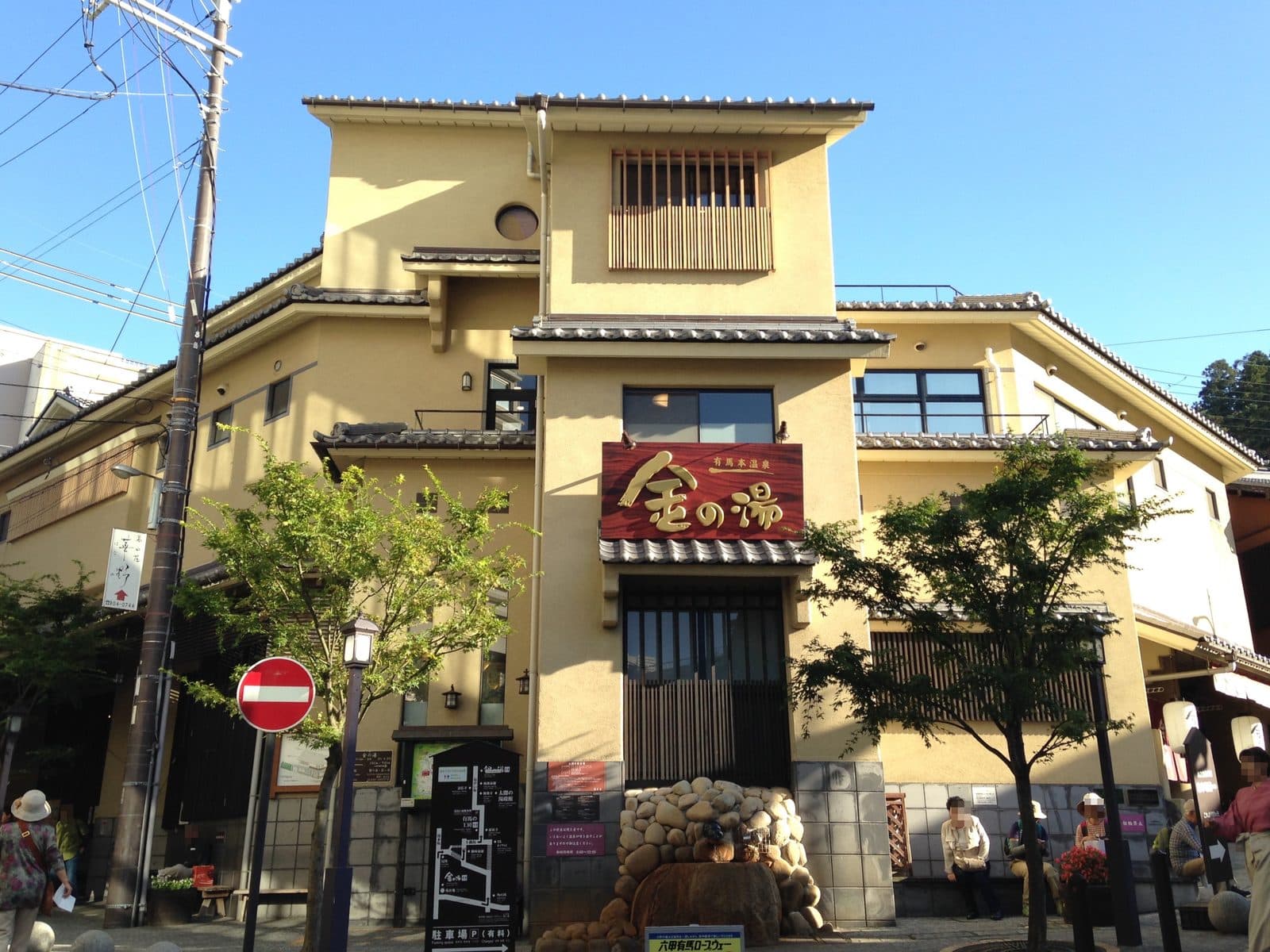
Arima Onsen
A separate hot-spring town in the hills — public bathhouses and ryokan streets, not a downtown Kobe base.
- Onsen town
- Separate stay
- Quiet
Sannomiya
Kobe's transport core — a dense commercial street grid with Mount Rokko rising at the end of the avenue.
- Transport hub
- Central
- Practical
Motomachi / Harborland
Kobe's waterfront identity — Meriken Park's illuminated harbor, the Maritime Museum, and evening walks by the water.
- Waterfront
- Evening walks
- Port identity
Kitano / Shin-Kobe
Hillside history above the city — preserved foreign residences on slopes reached uphill from the Shinkansen station.
- Hillside
- Historic houses
- Shinkansen
Arima Onsen
A separate hot-spring town in the hills — public bathhouses and ryokan streets, not a downtown Kobe base.
- Onsen town
- Separate stay
- Quiet
Image credits
- Sannomiya — Wikimedia Commons (Street View in front of Kobe-Sannomiya Station.jpg) by そらみみ — CC BY 2.5
- Motomachi / Harborland — Wikimedia Commons (2022 Kobe Meriken Park 001.jpg) by Naokijp — CC BY-SA 4.0
- Kitano / Shin-Kobe — Wikimedia Commons (Weathercock House Kobe Kitano Ijinkan) by Manish Prabhune — CC BY 4.0
- Arima Onsen — Wikimedia Commons (Kinnoyu Public Bathing in Arima Onsen.JPG) by そらみみ — CC BY-SA 4.0
Kobe sits close enough to Osaka that many visitors treat it as a half-day trip — Sannomiya is roughly twenty to thirty minutes from central Osaka by rail, closer than some Osaka neighborhoods are to each other. That proximity is exactly why choosing a base here matters: a stay built around Sannomiya's transport convenience looks nothing like one built around Harborland's waterfront evenings, Kitano's hillside streets, or a separate night at Arima Onsen in the hills above the city.
This guide compares four stay options on one trade-off: regional transport convenience against waterfront atmosphere, hillside character, and whether an onsen night belongs in the same trip at all. None of them is the default choice — the right one depends on how you're moving through the wider Kansai region, not just what's nearby.
The Short Answer
Stay in Sannomiya if this is your first Kobe visit, you're arriving from Osaka or Kyoto, or you want restaurants and nightlife within walking distance. It's Kobe's transport core — JR, Hankyu, Hanshin, the subway, and the Port Liner to Kobe Airport all meet here — but it's a busy, commercial district rather than a visually distinctive one.
Stay in Motomachi / Harborland for a stronger sense of Kobe's port-city identity — Nankinmachi's Chinatown streets, Meriken Park's waterfront, and evening walks along the harbor. The exact experience varies by which of the three you're actually closest to, and parts of Harborland quiet down once shops close.
Stay near Kitano / Shin-Kobe if Shinkansen convenience and hillside character matter more than flat, easy walking. Shin-Kobe puts you closest to the bullet train and the Nunobiki ropeway; Kitano's foreign-residence streets reward slower mornings, at the cost of slopes that aren't kind to luggage.
Treat Arima Onsen as a separate stay, not a downtown option — a hot-spring town in the hills above Kobe, reached by train or bus in well under an hour, built for one slow ryokan night rather than repeated city sightseeing.
None of these replaces the others; combine them according to what the trip actually needs.
Which Area Fits Your Kobe Trip?
Four stay options, one trade-off — regional transport convenience against waterfront atmosphere, hillside character, and a separate onsen night.
Four stay options — each answers a different question.
Stay in Sannomiya
First Kobe visit, arriving from Osaka/Kyoto, or restaurants and nightlife matter.
Kobe's transport core; busy and commercial rather than distinctive.
Stay in Motomachi / Harborland
Waterfront atmosphere, Nankinmachi, and Meriken Park matter more than being at the transport hub.
Experience varies by exact location; quieter once shops close.
Stay near Kitano / Shin-Kobe
Shinkansen convenience or hillside character matter more than flat walking.
Slopes complicate luggage; dining less concentrated than Sannomiya.
Treat Arima Onsen as a separate stay
A slow ryokan or onsen night matters more than a central-city base.
Not practical for repeated city sightseeing or regional rail trips.
Comparing Kobe Areas
Read the columns side by side. Arima solves a different question from the other three, not a better one.
Four stay options compared on the same criteria — not ranked.
| Criteria | Sannomiya | Motomachi / Harborland | Kitano / Shin-Kobe | Arima Onsen |
|---|---|---|---|---|
| Osaka / Kyoto access | Fastest — direct rail from both | Good, short walk or one stop from Sannomiya | Good via Shin-Kobe; Kitano itself needs a further walk | Indirect — transfer via Sannomiya or Shin-Kobe |
| Shinkansen access | Short subway ride or walk to Shin-Kobe | Short subway ride to Shin-Kobe | Direct at Shin-Kobe | None directly — reached via Kobe's stations |
| Dining | Widest choice | Moderate, waterfront-anchored | Moderate, less concentrated | Ryokan-centered, local |
| Evening atmosphere | Busy, commercial nightlife | Illuminated waterfront, quieter after shops close | Quiet, residential hillside | Onsen-town quiet |
| Waterfront access | None directly | Direct | None | None — hillside setting |
| Luggage ease | Good — flat, station-adjacent | Good in Harborland; fair in Motomachi | Fair to poor — slopes in Kitano itself | Fair — onsen town, less flat |
| Quiet | Low | Moderate | Moderate to high | Highest |
| Main drawback | Commercial, less visually distinctive | Experience varies by exact spot | Slopes and luggage; less concentrated dining | Not a practical central-city base |
Osaka / Kyoto access
- Sannomiya
- Fastest — direct rail from both
- Motomachi / Harborland
- Good, short walk or one stop from Sannomiya
- Kitano / Shin-Kobe
- Good via Shin-Kobe; Kitano itself needs a further walk
- Arima Onsen
- Indirect — transfer via Sannomiya or Shin-Kobe
Shinkansen access
- Sannomiya
- Short subway ride or walk to Shin-Kobe
- Motomachi / Harborland
- Short subway ride to Shin-Kobe
- Kitano / Shin-Kobe
- Direct at Shin-Kobe
- Arima Onsen
- None directly — reached via Kobe's stations
Dining
- Sannomiya
- Widest choice
- Motomachi / Harborland
- Moderate, waterfront-anchored
- Kitano / Shin-Kobe
- Moderate, less concentrated
- Arima Onsen
- Ryokan-centered, local
Evening atmosphere
- Sannomiya
- Busy, commercial nightlife
- Motomachi / Harborland
- Illuminated waterfront, quieter after shops close
- Kitano / Shin-Kobe
- Quiet, residential hillside
- Arima Onsen
- Onsen-town quiet
Waterfront access
- Sannomiya
- None directly
- Motomachi / Harborland
- Direct
- Kitano / Shin-Kobe
- None
- Arima Onsen
- None — hillside setting
Luggage ease
- Sannomiya
- Good — flat, station-adjacent
- Motomachi / Harborland
- Good in Harborland; fair in Motomachi
- Kitano / Shin-Kobe
- Fair to poor — slopes in Kitano itself
- Arima Onsen
- Fair — onsen town, less flat
Quiet
- Sannomiya
- Low
- Motomachi / Harborland
- Moderate
- Kitano / Shin-Kobe
- Moderate to high
- Arima Onsen
- Highest
Main drawback
- Sannomiya
- Commercial, less visually distinctive
- Motomachi / Harborland
- Experience varies by exact spot
- Kitano / Shin-Kobe
- Slopes and luggage; less concentrated dining
- Arima Onsen
- Not a practical central-city base
Sannomiya
Sannomiya is where Kobe's rail network actually converges — JR, Hankyu, Hanshin, the city subway's two lines, and the Port Liner to Kobe Airport all meet within a few minutes of each other, much of it connected by underground shopping arcades rather than street crossings. For a first visit, or for a short stay built around day trips to Osaka or Kyoto, this removes a layer of logistics the other three areas don't.
The trade-off is character: Sannomiya reads as a dense commercial district — department stores, office towers, arcades — rather than a place with a strong visual identity of its own. Evenings are busy rather than distinctive: restaurants and bars operate late, and the area functions closer to a downtown core than a waterfront or historic quarter.
Luggage is straightforward here — flat ground, station lockers, and taxi access throughout. The meaningful drawback isn't practical but experiential: travelers who stay only in Sannomiya can leave Kobe without much sense of the port city that gives it its identity.
Practical nuance: "Sannomiya" describes a cluster of adjacent stations run by different operators, not one building — confirm which line's Sannomiya station sits closest to your hotel before booking, since the walk between them can take several minutes above ground.
Motomachi / Harborland
Motomachi sits one stop west of Sannomiya, close enough to Nankinmachi — Kobe's Chinatown streets — to reach on foot in about five minutes, and to Meriken Park's waterfront in another ten to fifteen. Harborland, a further stretch southwest near Kobe Station, adds the illuminated shopping and dining around umie and Mosaic, with Kobe Port Tower and the harbor across the water.
The three aren't interchangeable: Motomachi is a shopping street and Chinatown, Meriken Park is open waterfront park space, and Harborland is a self-contained shopping-and-dining complex — a hotel address in one doesn't guarantee an easy walk to the others after dark. Shops in Harborland tend to close by early evening, though restaurants and the illuminated harbor promenade stay active later; this is a quieter kind of evening than Sannomiya's, not an empty one.
Luggage and walking are generally easy on this flatter, waterfront side of the city, though the distance back to Sannomiya's transport hub is real enough to factor into same-day rail connections.
The meaningful drawback: staying here trades some of Sannomiya's transport convenience for atmosphere, and exactly how much depends on which of the three areas your hotel actually sits in.
Practical nuance: confirm whether a listing near "Kobe waterfront" is walking distance from Motomachi Station, Kobe Station, or Harborland Station — they serve the same district but aren't the same walk.
Kitano / Shin-Kobe
Shin-Kobe is Kobe's Shinkansen station, a short subway ride or roughly ten-to-fifteen-minute walk north of Sannomiya, and the closer of the two stations to both the Nunobiki Herb Garden ropeway and the Kitano Ijinkan district's foreign-residence streets. Kitano itself climbs the hillside above the city — preserved Western-style houses built by foreign merchants after Kobe's port opened, reached by walking uphill from either station.
Staying near Shin-Kobe suits travelers prioritizing Shinkansen connections above all else; staying in Kitano itself trades flat convenience for quieter mornings and a genuinely different streetscape than the commercial core below. Evenings here are residential rather than a dining district — restaurants exist but are less concentrated than Sannomiya's.
Luggage is the real consideration: Kitano's streets involve slopes and stairs, and reaching a hillside hotel with bags is a different proposition than a flat station-adjacent one. Shin-Kobe itself sits on flatter ground and doesn't carry the same difficulty.
The meaningful drawback: character comes at the cost of convenience — this area asks more of arrival day than Sannomiya does.
Practical nuance: Shin-Kobe and Kitano are often treated as one area on booking sites, but the walk between them is uphill and takes real time with luggage — check which one a listing actually sits in.
Arima Onsen
Arima Onsen sits in the hills north of Kobe, administratively part of the city but functionally its own hot-spring town — narrow streets, historic public bathhouses, and ryokan built around the bath rather than the train line. Reaching it from Sannomiya or Shin-Kobe takes a train transfer or a direct bus, both well under an hour; a separate, more scenic route over Mount Rokko by cablecar and ropeway takes longer and involves more transfers.
This is a destination in its own right, not a Kobe neighborhood: the town exists around its source waters, and evenings are built around a ryokan dinner and bath rather than a choice of restaurants. Staying here means accepting that repeated trips back into central Kobe, or day trips to Osaka or Kyoto, cost real time each way.
Luggage matters less here than the decision itself: most ryokan handle bags on arrival, but the town isn't designed for the kind of movement a central Kobe stay assumes.
The meaningful drawback: Arima is not a practical base for seeing Kobe or the wider Kansai region — it's a stay built around staying still.
Practical nuance: a single night at Arima usually means treating it as a dedicated addition to a Kobe stay, not a substitute for one — most visitors base in central Kobe and treat Arima as a one-night detour.
Kobe versus Osaka
Kobe and Osaka sit close enough — roughly twenty to thirty minutes apart by rail — that many visitors treat Kobe as a day trip rather than a place to sleep, and for a short visit that's often the practical choice. Osaka remains the stronger base for broad Kansai transport connections, nightlife scale, and sheer number of things within reach without a transfer.
An overnight in Kobe makes more sense when the reason is specific: an evening walk along Harborland's illuminated waterfront, a quiet Kitano morning before Sannomiya's crowds arrive, dinner without a return train to catch, or combining the city with an Arima Onsen night. None of these requires switching hotels mid-trip — a short Kobe stay works as its own leg of a Kansai itinerary rather than a mandatory extension of an Osaka base.
See Where to Stay in Osaka if Osaka is also part of the trip; the two guides answer different questions rather than competing for the same one.
Central Kobe versus Arima Onsen
Central Kobe and Arima Onsen solve different planning problems, and conflating them is the most common mistake in this comparison. Central Kobe — Sannomiya, Motomachi, Harborland, Kitano — is built for city access and regional movement: transport connections, waterfront and hillside sightseeing, and same-day trips to Osaka or Kyoto. Arima is built for staying still: one ryokan night organized around a bath and a kaiseki dinner, not a base for seeing anything else.
Combining both can work well — a central Kobe stay for the city, followed or preceded by one Arima night — but treat it as two separate stays with two separate purposes rather than one continuous itinerary. For the ryokan-versus-hotel decision itself, see Ryokan vs Hotel in Japan rather than duplicating that comparison here.
Common Mistakes
Assuming every station called "Kobe" serves the same purpose. Sannomiya, Kobe Station, and Shin-Kobe are different hubs in different parts of the city, not interchangeable names for one downtown.
Booking hillside accommodation in Kitano without checking luggage access. Slopes and stairs make a straightforward station transfer into a genuine climb with bags.
Expecting Harborland to carry Sannomiya's late-night energy. Shops close early and the district quiets down, even though restaurants and the illuminated waterfront stay active.
Treating Arima Onsen as a convenient downtown base. It's a separate hot-spring town reached by a train transfer or bus, built for one still night, not for daily Kobe sightseeing.
Common First-Time Questions
Is Kobe worth an overnight if I'm already staying in Osaka?
Only if the reason is specific — an evening waterfront walk, a quiet Kitano morning, or an Arima night — otherwise a day trip covers most of central Kobe comfortably.
Can I reach Kobe directly from Kansai Airport without going through Osaka?
Yes, by high-speed ferry to Kobe Airport and then the Port Liner into Sannomiya, though rail via Osaka or Shin-Osaka is also common.
Do I need to choose one area for my entire Kobe stay?
No — many visitors base in Sannomiya for convenience and spend an afternoon or evening in Harborland or Kitano without changing hotels.
How much time should I budget for Arima Onsen?
One night is enough for the bath-and-dinner rhythm most ryokan are built around; treat it as an addition to a Kobe stay, not a replacement for one.
Is Rokko worth staying near instead of central Kobe?
For most first-time visitors, no — it's better treated as a day or half-day trip from Sannomiya than a stay area, since services and evening options are limited compared to the four options above.
Before You Go
Read Where to Stay in Osaka if Osaka anchors the rest of your Kansai trip.
Compare Kyoto separately in Where to Stay in Kyoto.
If a ryokan night at Arima is part of the plan, Ryokan vs Hotel in Japan covers the accommodation-type decision itself.
Load an IC card before relying on Kobe's mix of JR, private rail, and subway lines — see IC Cards in Japan.
Confirm whether a Japan Rail Pass changes your route in or out of Kobe — see Is the Japan Rail Pass Worth It?.
The right Kobe base isn't the one closest to a landmark — it's the one that matches how you're moving through the wider region and what kind of evening you want. Sannomiya solves arrival and transport; Motomachi and Harborland solve atmosphere; Kitano and Shin-Kobe solve Shinkansen access and hillside character; Arima solves an entirely different question about staying still.
Decide which question you're actually answering, and the choice between these four follows.
Ready to choose a specific place?
If you have compared Kobe areas and know which base fits your trip, the next step is choosing a specific place within that area.
Stay near the places you will actually spend time — the station you will use most days, the streets you want after dinner, and the walks you want before coffee. Japan Atlas will add curated area collections here when editorial vetting is complete. For now, your neighborhood decision is the planning work that matters.
Future: neighborhood hotel collections by area — editorial picks chosen for station access and daily rhythm, not commission rankings.
Related Reading
Continue exploring this way of seeing Japan.