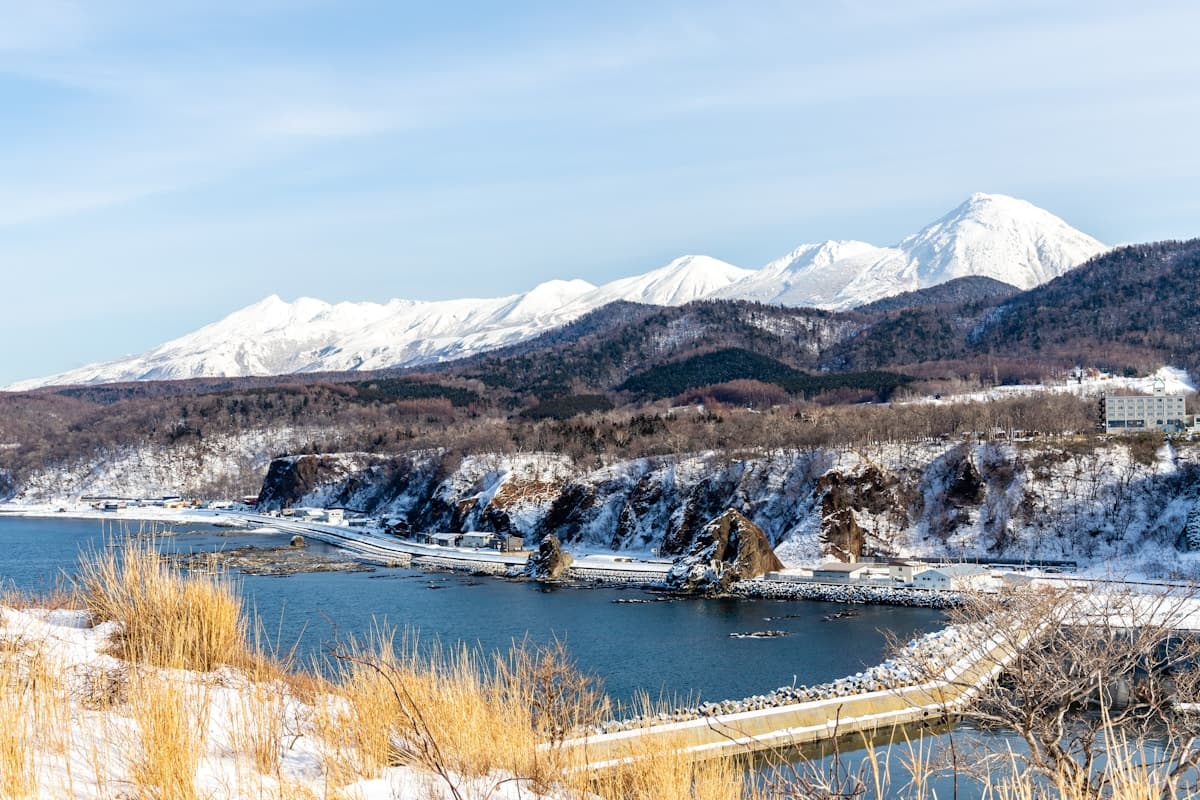
Hokkaido
Where people have learned to live with the seasons.
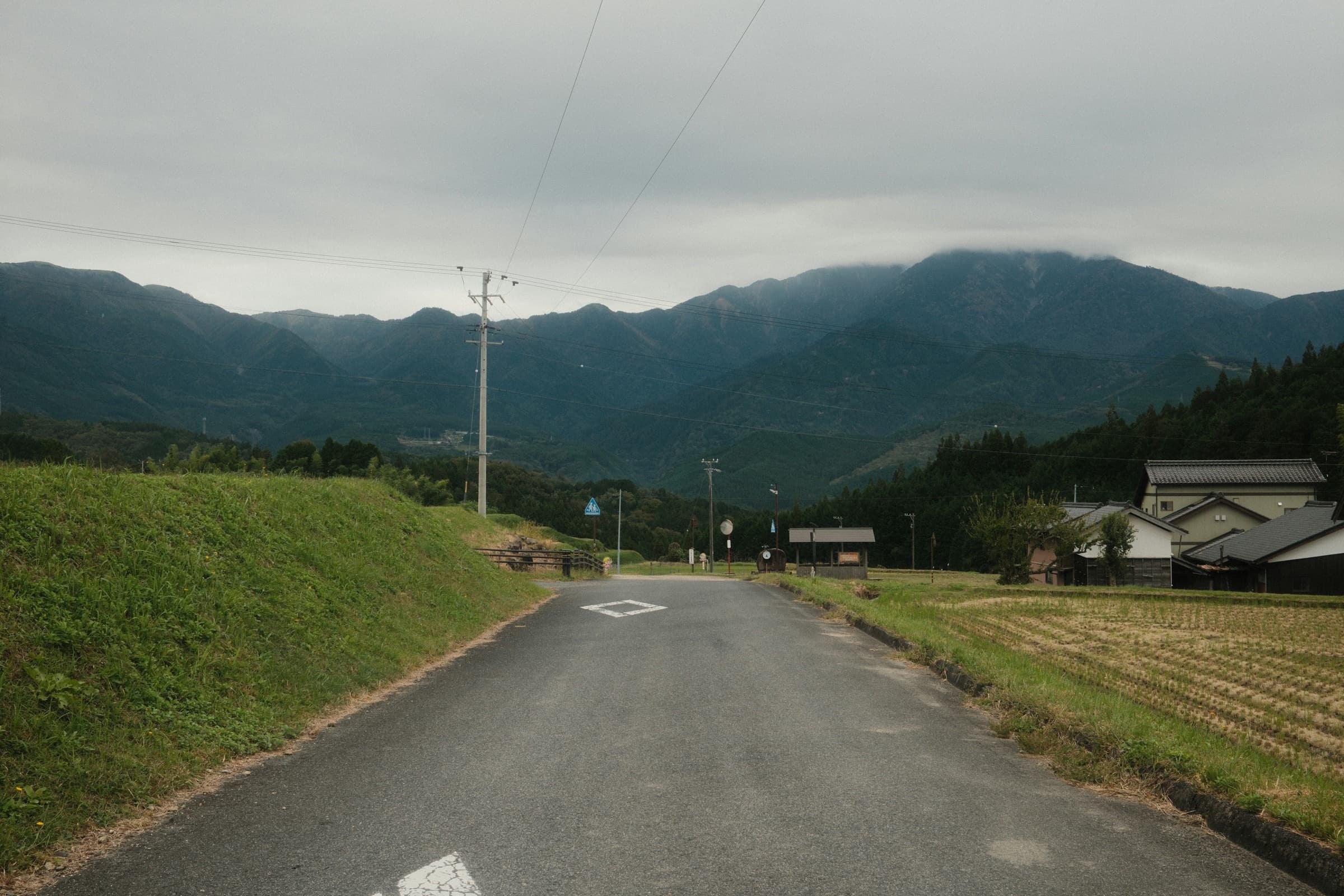
Do you need to rent a car in Japan, and if so, what do you need to know before booking?
Most visitors to Japan never touch a steering wheel, and for most itineraries that is the right call. The rail network is fast, frequent, and forgiving of mistakes in a way that driving in an unfamiliar country rarely is. That advice, however, does not fit every itinerary equally well.
A rental car is usually unnecessary in Japan's major cities but can materially improve travel in selected regional areas. Legal eligibility, insurance, and route planning must be understood before booking.
This guide is decision-first, not an exhaustive road-law manual. It is meant to help you work out whether you need a car, whether you are legally able to drive one in Japan, what to prepare before you book, how rental insurance works, and which regions make the effort worthwhile.
If your trip stays inside Tokyo, Kyoto, Osaka, or the central areas of Sapporo and Fukuoka, a car is usually unnecessary; trains, subways, and buses cover these areas efficiently. If your itinerary includes Okinawa's main island beyond central Naha, Hokkaido's countryside beyond Sapporo, or the wider Fuji Five Lakes around Kawaguchiko, a car is worth serious consideration.
Before booking, confirm your legal eligibility to drive: a valid International Driving Permit issued under the 1949 Geneva Convention, or, if your licence was issued in Switzerland, Germany, France, Belgium, Monaco, or Taiwan, an authorized Japanese translation instead. Treat insurance as its own decision. The collision damage waiver and the non-operation charge cover different financial risks, and confusing the two is a common and potentially costly misunderstanding.
The honest answer usually comes down to where you are headed, not personal preference. City-based itineraries are almost always answered by public transport; regionally spread itineraries often are not. The decision below walks through the most common patterns, though the underlying logic is simple: the further your plans sit from a rail line, the more a car starts to matter.
Most itineraries are answered by where you're headed, not by preference.
Staying inside major cities
Tokyo, Kyoto, Osaka, central Sapporo, central Fukuoka
Trains, subways, and buses cover most needs; a car usually adds cost and parking stress without saving time.
Exploring Okinawa's main island
Beyond central Naha
Public transport is thin outside the monorail corridor; a car is often close to essential for beaches, coastal drives, and inter-island departure points.
Touring Hokkaido's countryside
Beyond central Sapporo
Distances are long and buses are infrequent; a car is usually the practical way to link towns, though cold-season driving needs separate preparation.
Basing near Mount Fuji
Kawaguchiko and the wider Fuji Five Lakes
Helpful once plans extend past the lakeside town to Saiko, Shojiko, or Motosuko; not essential for a short stay.
Rural Tohoku, Shikoku, Kyushu's countryside, the Japanese Alps, the Noto Peninsula, and remote onsen towns tend to follow the same logic as Hokkaido's countryside.
Japan recognizes International Driving Permits (IDPs) issued in accordance with the 1949 Geneva Convention. An IDP issued under a different framework, including the 1968 Vienna Convention used by a number of European countries, is not valid for driving in Japan, regardless of what convention your home country has otherwise signed. Confirm which convention your specific IDP was issued under before you travel.
For a valid 1949 Geneva Convention IDP, the period during which you may legally drive in Japan is governed by two separate limits: the IDP's own validity period from its date of issue, and a separate one-year period beginning on your date of entry into Japan. Whichever of these two periods is shorter is the one that applies.
A separate route applies to licences issued in Switzerland, Germany, France, Belgium, Monaco, and Taiwan. Drivers holding one of these licences may carry their original, valid licence together with an authorized Japanese translation of it, rather than an IDP. Authorized translations may be prepared by a limited set of recognized issuers: the relevant licensing authority or embassy/consulate, JAF, ZIPLUS, the Association for the Support of Foreign Drivers in Japan (ALADDIN), and other bodies formally recognized under Japanese law. JAF is one common option, not necessarily the single most practical choice for everyone, so compare what is available to you. An ordinary private translator, however qualified generally, is not an accepted substitute. Under this route, the period during which you may drive in Japan is a separate question from how long the translation document itself remains valid; confirm both directly with the issuing body rather than assuming they match.
Residents registered in Japan's Basic Resident Register face a brief, resident-specific exception: departing and re-entering Japan does not reset your driving-validity clock unless you spent three months or more continuously abroad before re-entry. This does not apply to short-term visitors.
Japan's legal minimum driving age is 18, but rental eligibility, payment requirements, vehicle restrictions, and any additional conditions vary by operator. Confirm them before booking.
Vehicle choice matters as much as the rental company itself. Choose based on how many passengers and how much luggage you are carrying, not on price alone; a car that looks adequate empty can be cramped once suitcases are loaded. Compact and mid-size vehicles are generally easier to manage on narrow residential roads and in smaller parking spaces, both common across regional Japan. Very small or kei-class cars can struggle to fit several large suitcases, so check the listed luggage capacity rather than assuming.
Automatic transmission is common at most rental counters, but availability still depends on the specific operator and vehicle class, so confirm rather than assume if transmission type matters to you. If your trip requires a child seat or seasonal equipment such as winter tires, reserve it in advance rather than expecting it to be available on arrival. This guide does not recommend a specific rental company or vehicle model; vehicle selection should follow from your trip's practical needs.
What to bring to the rental counter
Assembling the right paperwork before you arrive avoids surprises at the rental counter, which matters more in a country where counter staff may have limited English.
Beyond documents, deciding your rough route before you book helps you choose a suitable vehicle and insurance tier, and flags early whether you will need cold-weather equipment.
Rental agreements in Japan differ by operator, but most include some level of compulsory or voluntary insurance as a baseline. Even so, a deductible or excess for vehicle damage commonly remains the renter's responsibility unless waived. A Collision Damage Waiver (CDW), typically offered as a daily add-on, may waive some or all of this deductible; the exact amount waived depends on the specific plan and operator.
CDW and NOC are not the same thing, and confusing them is a common and potentially costly misunderstanding. A Non-Operation Charge (NOC) is a separate charge that an operator may impose when a damaged vehicle cannot be used while under repair, compensating the rental company for lost business during that time. NOC is treated as a distinct contractual exposure from collision coverage, and purchasing CDW does not necessarily waive it. Some operators offer an optional support package that waives or reduces NOC alongside other benefits such as roadside assistance; others charge for these separately, or not at all.
None of this is standardized across companies, so treat any figure you see quoted online as illustrative rather than binding. Before you book, read the rental agreement itself: what the base rate includes, what CDW waives, whether NOC applies and under what conditions, and what optional packages add, rather than relying on a plan's name alone.
The full rental process, from confirming eligibility to returning the car, is easier to follow as a sequence than as scattered advice.
From eligibility check to returning the car
Confirm legal eligibility
Verify your IDP or authorized-translation route before you commit to a booking.
Choose the route and vehicle
Match vehicle size to passengers and luggage, and confirm it suits your planned roads.
Compare insurance and waiver terms
Check what the base rate includes, what CDW waives, and how NOC is handled.
Reserve
Book with your chosen insurance tier and any required equipment, such as a child seat.
Present documents at pickup
Bring your IDP or authorized translation, home licence, and passport.
Inspect the vehicle
Walk around the car with staff and note any existing marks before driving off.
Confirm ETC, fuel, and navigation
Check ETC card provision, fuel type, and how the navigation system handles search.
Drive
Follow local rules, expressway etiquette, and any regional restrictions for your route.
Refuel and return
Refuel as required by the agreement, then complete a joint inspection at return.
Report any collision or damage immediately to the police and rental company. Do not wait until the vehicle is returned.
Japan drives on the left. Pay particular attention at intersections and when judging vehicle width from the driver's seat, both of which often feel different from left-hand-drive habits. Unmarked intersections are common in residential areas; slow down and check carefully, since priority is not always visually obvious. Residential streets and older towns are frequently narrower than expected.
Two rules carry criminal consequences and are worth taking seriously. Japan's National Police Agency defines a breath-alcohol concentration of 0.15mg per liter as falling within the driving-under-the-influence rules, which carries criminal penalties. Passengers, vehicle owners, and anyone who provides a vehicle or alcohol to a driver may also face penalties under the relevant circumstances. Using a handheld mobile phone while driving is illegal. Set up navigation before you start moving, and if you need to interact with your phone once underway, stop the vehicle safely first.
ETC is widely used on Japan's expressways and toll roads. ETC lanes require a compatible onboard unit and a valid ETC card, though general lanes accepting cash or credit cards still exist on many routes; some interchanges, however, are ETC-only. Many rental cars include an ETC-compatible reader, but whether a card is provided, charged separately, or billed automatically to your rental account depends on the operator; confirm this at pickup rather than assuming. Fuel type is specified on the rental agreement and typically marked on the dashboard or fuel cap; check it before your first refuel, since using the wrong fuel is a costly and avoidable mistake.
City parking generally uses metered coin parking lots rather than street parking, and central districts of major cities can make finding and paying for parking slower and more expensive than the drive itself, one more reason city driving usually does not pay off. Parking arrangements outside major cities vary by location; do not assume free or unrestricted parking, and check in advance where it matters, such as at accommodations with limited spaces.
The clearest way to see where driving pays off is side by side, region by region.
Where a car helps most
| Criteria | Tokyo / Kyoto / Osaka | Kawaguchiko & Fuji Five Lakes | Hokkaido outside Sapporo | Okinawa outside Naha |
|---|---|---|---|---|
| General verdict | Usually unnecessary | Helpful, not essential | Often strongly beneficial | Strongly beneficial, sometimes essential |
| Public transport coverage | Extensive | Good near the station, thinner beyond it | Sparse outside city centers | Limited outside the monorail corridor |
| Main advantage of driving | Little — usually adds cost and parking stress | Reaches Saiko, Shojiko, and Motosuko directly | Links small towns and viewpoints on your own schedule | Reaches beaches, coastal roads, and inter-island departure points |
| Key caution | Parking and traffic in central areas | Narrow lakeside roads in peak season | Cold-season driving requires separate preparation | Higher traffic near resort corridors in peak season |
General verdict
Public transport coverage
Main advantage of driving
Key caution
Rural Tohoku, Shikoku, Kyushu's countryside, the Japanese Alps, the Noto Peninsula, and remote onsen towns tend to follow the same logic as Hokkaido's countryside.
Once your itinerary points toward renting, the practical next step is checking what is available for your dates, region, and vehicle size. Prices and availability shift with season, demand, and location, so a live check matters more than a fixed number in this guide. This is one place to compare options, not the only one.
Rental car comparison
Check current prices, availability, and pickup locations for your travel dates.
Check prices and availabilityAffiliate disclosure: Japan Atlas may earn a commission from qualifying bookings made through this link. This does not affect our editorial judgment.
If your route includes Hokkaido, mountain passes, or other snow-prone regions during the cold season, treat winter driving as a distinct skill this guide does not attempt to teach. Conditions and timing vary by location and year, so check current conditions close to your travel dates rather than relying on a fixed calendar window. Confirm winter tire fitment directly with your rental company rather than assuming it, and understand that a designated chain-control measure can require tire chains even on a vehicle already fitted with winter tires. Winter tires alone do not make winter driving safe; route awareness and relevant experience with snow and ice conditions matter as much as equipment.
If you have never driven in winter conditions, take this seriously. A dedicated guide to winter driving in Hokkaido is a natural next step for this site; until it exists, build extra time into your schedule and stay willing to change plans if conditions turn.
If you are in a collision, however minor it may look, the same sequence applies. Stop the vehicle safely and, where possible, move it out of the flow of traffic to prevent a secondary collision. Check for injuries and provide assistance; call 119 if medical help is required. Reporting the accident to police is a legal obligation in Japan: call 110, or report at the nearest police station if officers are not already present, once the immediate safety steps are handled.
After notifying the police, contact your rental company promptly and follow its instructions; do not wait until you have physically obtained a formal police document before reaching out. Separately, an official Traffic Accident Certificate may be required later for insurance or compensation procedures, so ask the police how to obtain one before you leave the scene.
Do not treat a police report as optional because damage looks trivial, and do not agree to settle privately with another party in place of reporting. Failing to report the accident may prevent insurance or waiver coverage from applying under the rental agreement; the exact consequence depends on your specific contract, so this is a risk worth avoiding rather than a guaranteed outcome to test.
A short list of errors that come up often: assuming any International Driving Permit will do without checking it was issued under the 1949 Geneva Convention specifically; skipping the joint walkaround inspection at pickup, which leaves you exposed if pre-existing damage gets attributed to you later; assuming CDW covers every cost and being surprised by a separate NOC charge after a minor incident; not confirming winter equipment before a cold-season Hokkaido or mountain rental; treating a small scrape as too minor to report to police; and refueling with the wrong fuel type because it was not checked against the dashboard label or agreement.
Can I drive in Japan with just my home country's driver's licence? No. You need a valid International Driving Permit issued under the 1949 Geneva Convention, carried alongside your original licence. A separate route applies to licences from Switzerland, Germany, France, Belgium, Monaco, and Taiwan, which instead requires an authorized Japanese translation carried with the original licence.
Is JAF the only place to get an authorized Japanese translation of my licence? No. JAF is one common option, but embassies, consulates, ZIPLUS, ALADDIN, and other bodies formally recognized under Japanese law may also issue authorized translations. An ordinary private translator is not an accepted substitute.
Is automatic or manual transmission more common in Japanese rentals? Automatic is common at most mainstream rental counters, but availability depends on the specific operator and vehicle class. If you specifically need a manual transmission, request it in advance.
Do I need a car if I'm only visiting Tokyo, Kyoto, and Osaka? Usually not. Rail and subway networks in and between these cities are typically more efficient than driving, and parking adds cost without saving time.
What's the difference between CDW and NOC? CDW may waive some or all of the deductible you would otherwise owe for vehicle damage, depending on the specific plan. NOC is a separate charge some operators impose when a damaged vehicle cannot be used for repairs, and purchasing CDW does not necessarily waive it. Check the specific rental agreement rather than assuming.
Can I drive a rental car into central Tokyo or Kyoto? Yes, but it rarely rewards the effort; expect slow traffic and scarce, expensive parking in central districts.
What should I do if I'm involved in even a very minor accident? Stop safely, check for injuries, and call 119 if needed. Report the accident to police by calling 110; this is a legal obligation in Japan even for minor damage. Contact your rental company promptly after notifying the police, and ask the police how to obtain an official Traffic Accident Certificate, which may be needed later for insurance purposes.
Decide your insurance tier before arrival rather than at the counter, so you are comparing options calmly rather than under time pressure.
Confirm your fuel type before your first refuel, not after.
Keep your IDP or authorized translation, home licence, and passport together in one place for the entire rental period.
Budget for tolls and parking separately from the rental and fuel cost; they add up faster than expected on multi-day regional trips.
Note your return deadline precisely; late returns commonly carry hourly or per-day surcharges, though the exact policy varies by operator.
If your route touches snow-prone areas during the cold season, confirm equipment and any active chain-control measures before you leave, not once you are on the expressway.
Once you have weighed the costs, insurance terms, and driving conditions above, checking actual availability for your travel dates is the last practical step before you book.
Compare available rental cars and pickup locations across Japan.
If the authorized-translation route applies to you, plan the process well ahead of the driving portion of your trip. JAF's current online application must be submitted from within Japan, while other authorized issuers, such as your embassy, consulate, or another recognized body, may have different procedures and timelines; confirm directly with whichever issuer you plan to use. Decide your rough route early enough to judge whether a car earns its place in your trip, and if cold-season or mountain driving is part of the plan, check current conditions again close to departure rather than relying on research done months earlier.
A rental car in Japan matters in specific places and rewards specific preparation. For a trip centered on Tokyo, Kyoto, and Osaka, the rail network usually does the work on its own. Where a car adds real value, understanding your legal eligibility, choosing insurance based on the actual agreement, and planning your route in advance make the difference.
If a car is part of your plan for Okinawa or Hokkaido, deciding where to stay is a useful next step, since your base affects how much driving the trip needs.
Key practical details in this guide were checked against the following official sources.
Information checked: July 2026
Continue exploring this way of seeing Japan.