Peace Memorial Park
Visitors pass through shaded paths where silence is observed rather than imposed. Flowers are placed. Names are read. The park belongs to a city that has chosen to keep memory within reach of daily life.
Where memory lives on beside ordinary life.
Hiroshima is often approached through its memorials — the preserved dome, the quiet park, the architecture of remembrance.
Yet its character is found equally in what continues around them: morning commutes, shopfronts opening, streetcars crossing the rivers, meals shared without ceremony, and ferries departing toward Miyajima.
Hiroshima does not ask to be understood through history alone; memory remains present here, carried quietly beside ordinary life.
A short official film showing Hiroshima's river landscape, streetcars, and the Peace Memorial Park within the flow of daily city life.
Official film by Dive! Hiroshima — watch on YouTube.
Visitors pass through shaded paths where silence is observed rather than imposed. Flowers are placed. Names are read. The park belongs to a city that has chosen to keep memory within reach of daily life.
The preserved structure stands without ornament — neither restored nor dramatized. It remains part of the cityscape, passed on morning walks and evening commutes, a presence held steady rather than displayed.
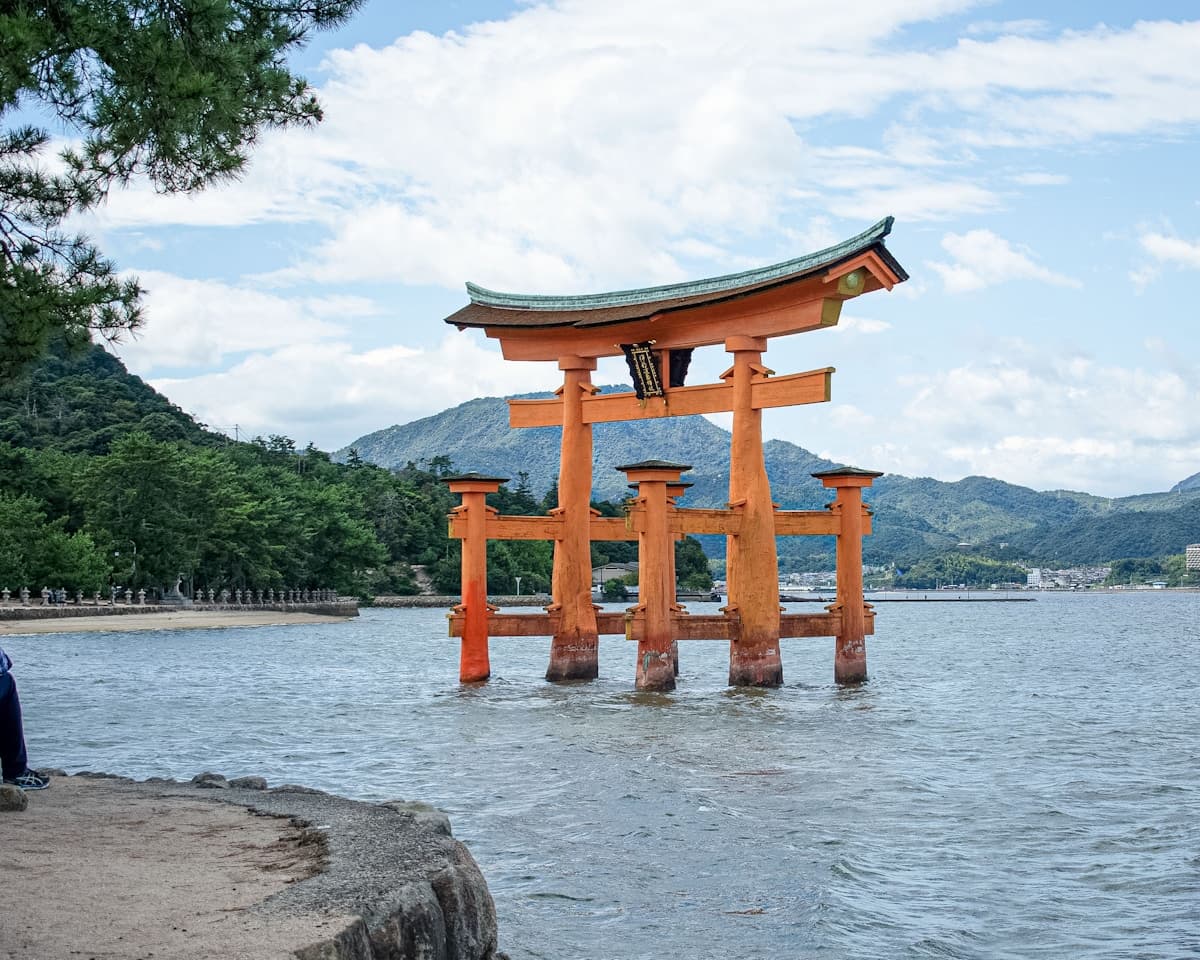
A short ferry carries the city toward island water and forested shrine grounds. Tide shifts reveal and conceal the torii at the shore — a rhythm older than the city's modern chapter, carried forward unchanged.
Trams move through central neighborhoods where shops open, students commute, and meals are shared at unremarkable hours. Ordinary life continues on routes the city has used for decades.
Hiroshima asks you to choose between a compact city base and one slow night on Miyajima — then, within the city, which corridor matches memorial mornings, Hiroden commutes, and Shinkansen legs.
Hiroshima Station suits Shinkansen arrivals and Miyajimaguchi day trips. Peace Park and Hondori suit memorial and city-evening rhythm. Miyajima rewards one ryokan night when tide and evening light matter — see the neighborhood guide for the full city-versus-island fork.
Compare Hiroshima neighborhoods in Where to Stay in Hiroshima: Choosing the Neighborhood That Fits Your Trip.
If accommodation type is still open, see Ryokan vs Hotel in Japan: Which Should You Choose? and When Is the Best Time to Visit Japan? Choosing the Season That Fits Your Trip.
Find the best area before choosing a hotel. Specific property recommendations belong after the neighborhood decision — not here.
Keep voices low and be discreet with photography around memorials and places of remembrance. The park is part of a living city, but it is not an ordinary sightseeing space.
Do not approach the city as a single story. Hiroshima's present includes markets, ferries, neighborhoods, and meals — memory lives alongside all of it.
Move without performance. The city does not invite emotional display. Quiet attention is enough.
For logistics before you arrive, see How to Use Luggage Forwarding in Japan and IC Cards in Japan: Suica, PASMO, ICOCA and How to Use Them and When Is the Best Time to Visit Japan? Choosing the Season That Fits Your Trip.
Other destinations to discover across Japan.