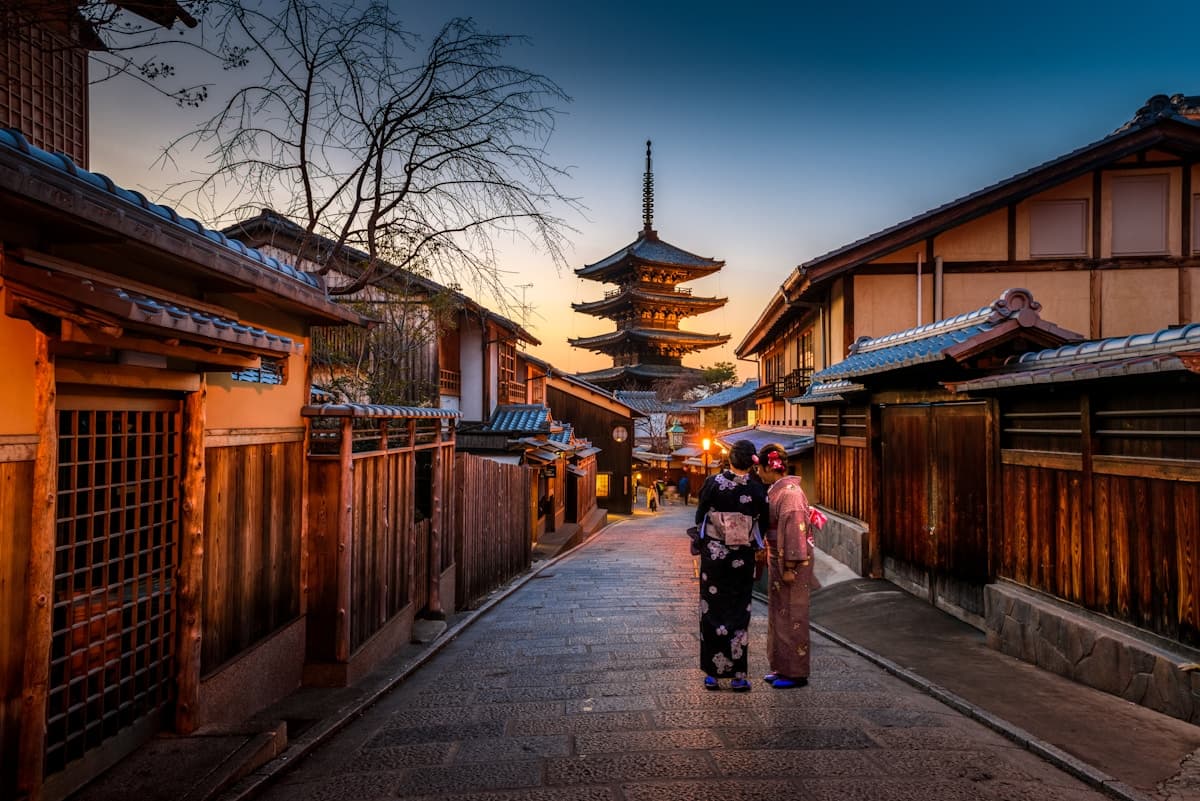
Kyoto
Where tradition still shapes everyday life.
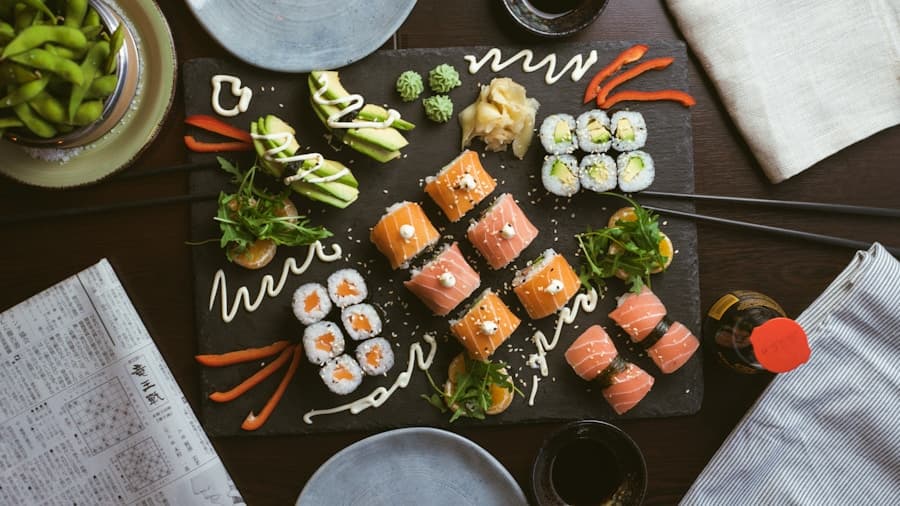
Why does kindness in Japan often arrive without words?
A cup of tea appears before you have fully settled. A seat is offered without ceremony. A door is held, a bag remembered, a small adjustment made to light or temperature that no one comments on afterward. The gesture is complete before the word welcome has time to form. Visitors often notice this first in formal settings — a hotel lobby, a restaurant counter, a guest room prepared with quiet precision. But the pattern is older and more ordinary than hospitality industry language suggests. It belongs to kitchens, shops, trains, and the brief exchange between strangers who will not meet again. Kindness here frequently arrives already finished, as though speech would arrive too late or say too much.
This is not uniformity. Japan is not a country of flawless grace, and not every encounter will feel gentle. What repeats, often enough to be recognized, is a preference for care expressed through attention rather than announcement — for noticing what another person may need before being asked, and for offering it in a way that does not require gratitude to be performed on the spot.
Much of Japanese social life is organized around the idea that the thoughtful person sees early. Needs are anticipated — not always correctly, not always warmly, but often enough that the habit becomes visible. A server places the bill face down. A shopkeeper wraps an item as though the wrapping were part of the object's dignity, not a favor added at the end. A host adjusts the room before guests arrive, removing what might cause friction, leaving what might cause ease. The preparation is the message. To explain it would narrow it.
In Kyoto, where tradition continues through daily practice rather than display, this attentiveness often feels unhurried. Rooms are arranged with the assumption that time will be spent, not merely consumed. Silence is not absence of welcome. It is part of the welcome — space left for a guest to arrive at comfort without being guided through every moment. The city's reputation for elegance is sometimes mistaken for formality alone. More often it is restraint: the belief that a good host does not fill the room with themselves.
Osaka offers a useful contrast. Warmth there is frequently more audible — laughter, direct speech, the ease of sitting close at a counter built for company. Yet even in that openness, care can arrive without elaborate statement. Food appears when it should. Refills are noticed. Strangers are included without making inclusion a performance. Generosity does not always whisper. But it still often acts before it explains.
Tokyo compresses these instincts into density. In a city where millions share limited space, small attentions become structural: queuing, yielding, quiet on trains, the careful avoidance of imposing. None of this is necessarily warm in the sentimental sense. Sometimes it is simply necessary. But necessity, repeated across years, becomes culture. The courtesy of not disturbing others can itself be read as respect — a social language written in what people refrain from doing.
Hospitality in Japan is often least impressive when it is most visible. The polished explanation, the performed bow, the elaborate greeting — these can be sincere, but they are not the whole tradition. More characteristic is the work done before the guest knows work has been done. Floors cleaned before opening. Food selected for what the season and the person require. Routes chosen to spare someone unnecessary steps. The host's labor is concealed not to deceive, but to keep attention on the guest's experience rather than the host's effort.
This is where the relationship between hospitality and modesty becomes clear. To draw attention to one's own care is, in many contexts, to diminish it. The gift is more graceful when it seems to have simply happened. A meal arrives as though the kitchen had always intended exactly this dish for exactly this evening. A room feels right without a list of adjustments being offered. The guest is allowed to feel received, not managed.
Tea, when encountered in its quieter forms, teaches this without naming it. The host moves through a sequence learned over years. The guest is given a bowl, a view, a pause. What is offered is not primarily beverage or performance. It is the experience of being considered — of someone having thought, in advance, about temperature, timing, and the body's need to slow. The ceremony is famous. The logic beneath it is more widely distributed than ceremony suggests.
Japanese hospitality often includes the courage to leave room. A guest is not always guided continuously. A silence is not always filled. A preference is inferred and respected before it must be spoken. This is related to the indirectness foreigners sometimes find difficult — the refusal that arrives as hesitation, the no that is implied before it is said. Hospitality and refusal share a grammar here: both protect the other person from being cornered by explicit demand.
Distance, too, can be generous. Standing back enough to let someone find their footing. Offering help once, without pressing. Remembering that comfort is not always closeness. In guest relationships — whether in a home, an inn, or a shop where one returns across years — the host who watches carefully often intervenes less, not more. The goal is not to demonstrate service. It is to allow the guest to feel unburdened by the fact of being served.
This is one reason kindness in Japan can seem to arrive without words. The word would fix the exchange too soon. It would require an answer. It would turn attention toward the giver. Silence, by contrast, lets the gesture settle. A traveler who has just come from a culture where warmth is loudly labeled may mistake quiet for coldness. More often it is a different vocabulary — one in which care is proven by timing rather than volume.
Restraint is easily misread. It can look like distance, formality, or the absence of feeling. In many Japanese contexts, it is the opposite — an effort not to overwhelm. Not to impose emotion on someone who may need space. Not to create obligation through excessive generosity. The host who offers enough, but not too much, trusts the guest to recognize what has been given.
This restraint is not unique to Japan, and it is not universal within Japan. Families argue. Strangers are rude. Service can be indifferent. The country is not a single temperament. But the cultural preference for modest care — for kindness that does not demand immediate response — is strong enough that visitors encounter it repeatedly, especially when they stop expecting warmth to announce itself.
Planning a journey with too much precision can make this harder to see. The traveler who moves only toward confirmed appointments may experience Japan as efficient rather than attentive. The one who leaves intervals unfilled — who sits longer at a meal, who returns to the same street at a different hour — begins to notice smaller gestures. A shop door opened slightly earlier. A seat turned toward the quieter side of the room. An extra tissue placed where it might be needed, with no comment. These are not tourist attractions. They are the ordinary grammar of a society that has long associated welcome with preparation, and welcome with discretion.
Hospitality here is not a specialty of the service industry. It is a social language — built from attention, timing, distance, silence, and modesty — that appears across settings high and humble. It does not ask to be praised in the moment it is received. It often prefers to be understood later, when the guest realizes that something was eased before they named the need.
To call this omotenashi and stop there is to translate poorly. The word has become marketing. The lived practice is subtler: the habit of seeing first, acting early, speaking less, and leaving enough space for the other person to remain comfortable inside their own dignity. That habit connects Kyoto's unhurried rooms, Osaka's counter seats, Tokyo's disciplined shared spaces, and the quiet offer of tea — not as a single national character, but as a recurring way of relating.
Kindness that arrives without words asks something of the receiver: attention. Not every gesture will be legible immediately. Some will only make sense after the moment has passed, when the traveler recognizes that a small difficulty never formed because someone else absorbed it first. Japan does not require visitors to master this language. It invites them to notice that it is being spoken — quietly, repeatedly, in preparation rather than proclamation — and to receive it without needing to turn every act of care into conversation. The quieter the welcome, the more carefully it has often been prepared.
Continue exploring this way of seeing Japan.